
Total Cost of Car Ownership Beyond the Sticker Price

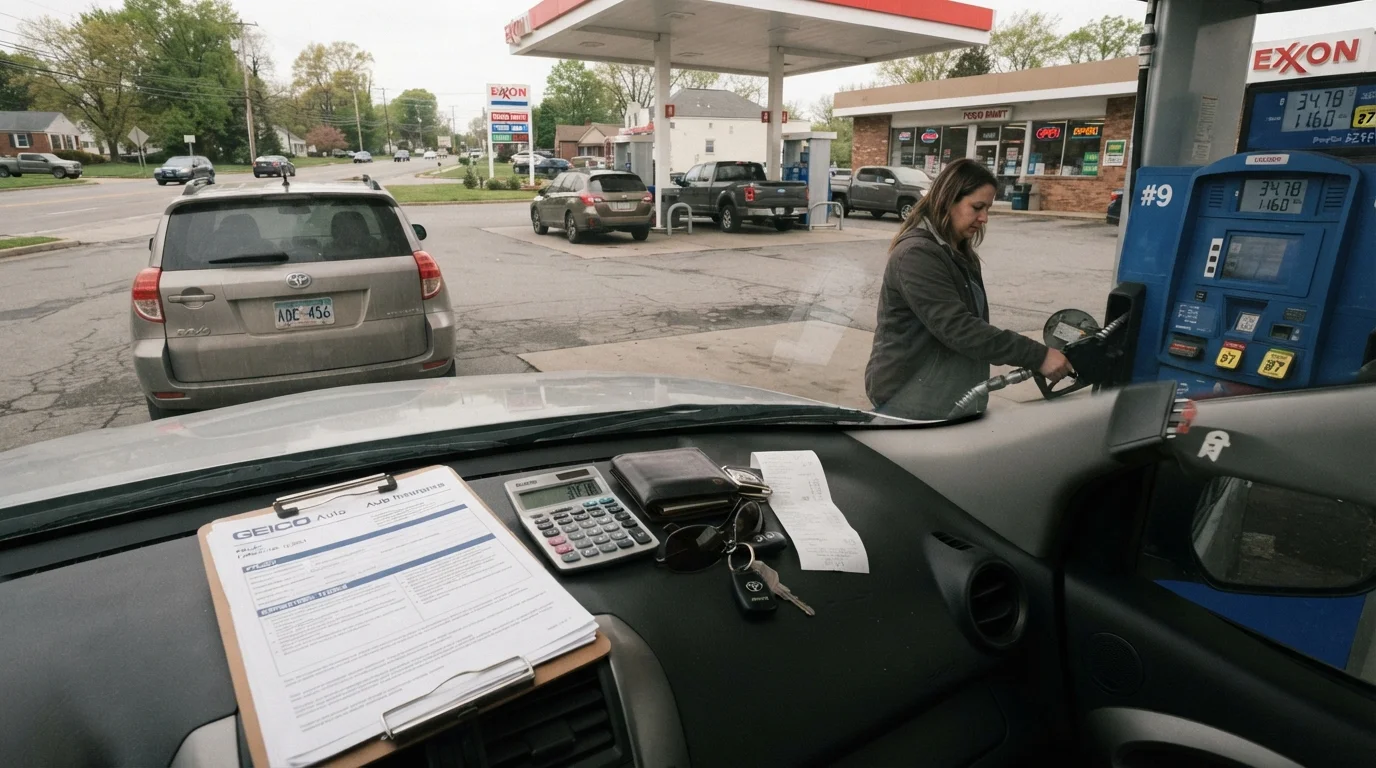
Photo: InsightsTurbo.com | Kickstart Your Knowledge Quest editorial
Key Takeaways
- The purchase price usually represents less than half of what you'll spend on a car over five years.
- Depreciation - the value a car loses over time - is often the biggest cost most buyers overlook.
- Fuel, insurance, and maintenance costs vary significantly by vehicle type, so compare them before buying.
- Budgeting for TCO upfront prevents financial stress during the first year of ownership.
- Vehicles with lower sticker prices can carry higher long-term running costs than pricier alternatives.
Why the Sticker Price Is Only the Starting Point
Walk into any dealership and the number on the windshield feels definitive - this is what the car costs. In reality, that figure is only a deposit on a much longer financial commitment. For most buyers, the purchase price accounts for less than half of what they'll actually spend over five years of ownership.
The remaining costs arrive in installments: monthly insurance premiums, fill-ups at the pump, annual registration renewals, scheduled service visits, and the quiet, continuous process of depreciation - the drop in your car's resale value that happens whether you're driving it or not. None of these appear on the window sticker, but all of them come out of your pocket.
Understanding total cost of ownership before you sign anything is one of the most practical things a first-time buyer can do. It shifts the conversation from "can I afford the monthly payment?" to "can I afford this car?" - which is the right question. For a broader look at what the first twelve months of ownership actually involves, see our guide on what new buyers don't anticipate in year one.
The Big Five Ongoing Costs Broken Down
Most of what you'll spend on a car beyond the purchase falls into five categories. Knowing each one helps you estimate the real annual cost of any vehicle you're considering.
Depreciation
This is typically the largest single cost of ownership. A new car can lose 15-25% of its value in the first year. By year five, many vehicles are worth roughly half what you paid. This matters even if you never sell - it represents real wealth that disappears. Used cars depreciate more slowly, which is one reason they can be a financially sound choice for first-time buyers.
Fuel
Fuel costs depend on how much you drive, where you live, and the vehicle's EPA fuel economy rating. A truck or large SUV can cost two to three times more to fuel annually than a compact or hybrid. This gap compounds over years of ownership.
Insurance
Insurance premiums are influenced by your age, driving history, ZIP code, the vehicle's safety ratings, and its theft rate. Sports cars and vehicles with high repair costs carry higher premiums. Always get insurance quotes on a specific vehicle before you buy - the difference between two similarly priced cars can be hundreds of dollars per year.
~50%
Average value lost in first five years
Most passenger vehicles depreciate to roughly half their original value within five years, according to automotive industry valuation data.
$10,000+
Estimated average annual ownership cost
Consumer automotive research consistently places average annual ownership costs - including depreciation, fuel, insurance, and maintenance - above $10,000 for a new mid-size vehicle.
15-25%
Value lost in year one alone
New cars typically experience their steepest depreciation in the first twelve months after purchase, making the initial year the costliest from a value-loss perspective.
Maintenance and Repairs
Routine maintenance - oil changes, air filters, brake pads, tire rotations - is predictable and budgetable. Repairs are not. Vehicles with complex technology, rare parts, or import-specific service requirements tend to cost more to maintain. Checking owner forums and reliability surveys before purchasing gives you a realistic service cost picture.
Taxes, Registration, and Fees
Annual registration fees vary widely by state, and some states levy property taxes on vehicles. Sales tax at purchase, title transfer fees, and emissions inspection costs add up at the point of sale and recur afterward. Factor these into your first-year budget specifically.
How to Compare Two Vehicles Honestly
When you're deciding between options, comparing purchase prices alone can lead you to the more expensive choice in the long run. A vehicle with a lower sticker price but poor fuel economy, high insurance rates, and a costly service schedule may cost thousands more over five years than a slightly pricier alternative with better efficiency and cheaper parts.
Build a simple side-by-side estimate for any vehicle you're seriously considering:
- Annual fuel cost: Estimated miles driven ÷ MPG × average local fuel price
- Insurance quote: Request an actual quote using your profile, not a generic estimate
- Annual maintenance: Look up the manufacturer's service schedule and average costs
- Depreciation: Check historical resale value data for the model year you're considering
- Financing interest: If borrowing, calculate the total interest paid over the loan term
Adding these up annually gives you a realistic cost-per-year figure. Multiply by five for a meaningful comparison period. For a practical walkthrough of everything else you'll need to set up after purchase, our post-purchase guide for new owners covers registration, insurance setup, and maintenance basics in one place.
Run the Numbers Before the Test Drive
Avoiding common financial missteps early matters just as much as choosing the right vehicle. Our article on early mistakes that cost new car owners the most covers the decisions that tend to be most expensive for first-time buyers.
Frequently Asked Questions
The content provided on our blog site traverses numerous categories, offering readers valuable and practical information. Readers can use the editorial team’s research and data to gain more insights into their topics of interest. However, they are requested not to treat the articles as conclusive. The website team cannot be held responsible for differences in data or inaccuracies found across other platforms. Please also note that the site might also miss out on various schemes and offers available that the readers may find more beneficial than the ones we cover.