
What Happens If You Drive Without Valid Insurance

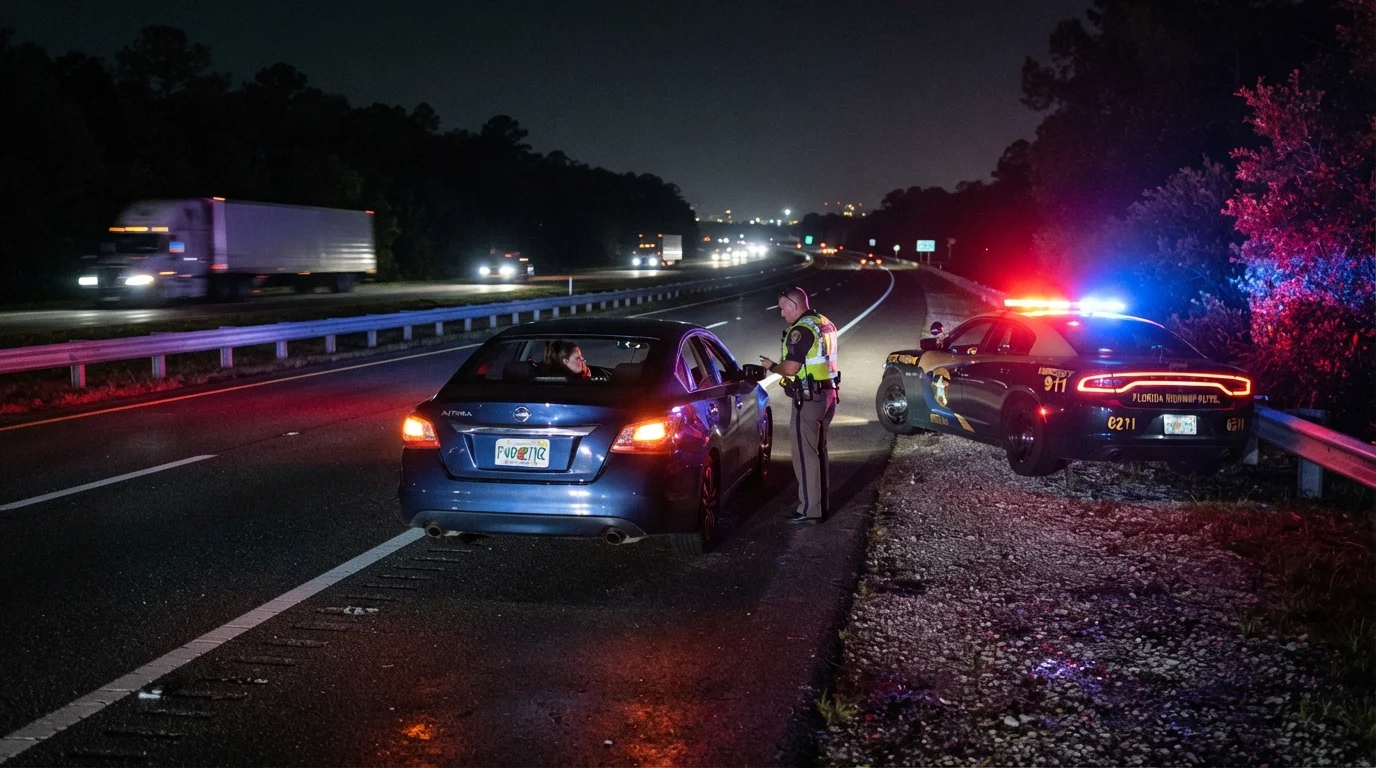
Photo: InsightsTurbo.com | Kickstart Your Knowledge Quest editorial
Key Takeaways
- Driving uninsured is illegal in almost every US state and carries immediate legal penalties.
- Fines, license suspension, and vehicle impoundment are common first-offense consequences.
- If you cause an accident uninsured, you are personally liable for all damages and injuries.
- A lapsed or voided policy offers no protection - even if you once had coverage.
- Gaps in coverage can permanently raise your future insurance premiums.
The Legal Consequences of Driving Uninsured
Every state except New Hampshire requires drivers to carry a minimum level of auto liability insurance. Getting caught without it - whether during a routine traffic stop or after an accident - sets off a cascade of legal penalties that can follow you for years.
For a first offense, typical consequences include:
- Fines ranging from around $100 to over $1,500 depending on the state
- License suspension, which may require a reinstatement fee and proof of insurance to lift
- Vehicle impoundment, with storage fees accruing daily
- SR-22 filing requirement - a certificate of financial responsibility your insurer files with the state, often required for one to three years after an offense
Repeat offenses can result in longer suspensions, higher fines, and in some states, misdemeanor charges. The SR-22 requirement alone signals to future insurers that you're a higher-risk driver, directly impacting what you'll pay for coverage. To understand what a baseline compliant policy looks like, see our overview of insurance categories.
Check Your Policy Before You Drive
The Financial Risk When an Accident Is Involved
Legal penalties are one thing. The financial exposure of causing an accident without insurance is a far greater threat to your long-term stability.
When you're at fault in a collision and you have no valid policy, you are personally responsible for every dollar of damage - vehicle repairs, medical bills, and in serious cases, lost wages or long-term care for injured parties. There is no insurer to step in. The other party can sue you and, if they win a judgment, pursue your wages, bank accounts, or assets to satisfy it.
1 in 8
US drivers estimated to be uninsured
According to the Insurance Research Council, approximately 12.6% of US drivers were uninsured as of their most recent study.
$22,700+
Average cost of a property damage claim
The Insurance Information Institute reports that average auto liability property damage claims regularly exceed this figure, illustrating out-of-pocket exposure for uninsured at-fault drivers.
Even if the accident is minor, out-of-pocket costs for vehicle repairs alone can run into thousands of dollars. A serious injury claim can reach six figures. For most young drivers without significant savings, that kind of liability is financially devastating.
To understand how a policy actually absorbs these costs when it's active, our article on how car insurance actually works explains liability limits and what they cover.
Coverage Gaps: When You Think You're Covered But Aren't
Not all uninsured driving situations are obvious. Many drivers are caught out not because they never had insurance, but because their coverage wasn't valid for the specific situation.
Common coverage gap scenarios include:
- Lapsed policy: A missed payment can void your coverage - sometimes with very little notice. The policy exists on paper but offers no protection.
- Excluded driver: If someone drives your car but has been explicitly excluded from your policy (often to keep premiums down), any accident they cause is uninsured.
- Unlisted vehicle: Borrowing or regularly driving a vehicle not listed on your policy can result in a denied claim.
- Wrong coverage type: Minimum liability covers damage you cause to others - it does not cover your own vehicle. Misunderstanding this boundary is a common source of expensive surprises.
Gaps in coverage also affect your insurance history. Insurers treat a lapse as a red flag, and new drivers are already paying elevated premiums - a coverage gap makes that worse.
SR-22: What It Means in Practice
How to Avoid Being Caught Without Coverage
Staying continuously insured is both a legal obligation and a practical financial safeguard. A few straightforward habits make it much easier to maintain valid coverage:
- Set up automatic payments for your premium - the most common reason for lapses is a missed payment.
- Update your policy immediately when you buy a new vehicle, add a driver, or move to a new state. Coverage rules and requirements vary.
- Don't reduce coverage to zero if you stop driving temporarily. Many insurers offer a suspended-use endorsement that keeps your policy active at reduced cost.
- Review your declarations page - the document listing who and what is covered - at least annually or any time your situation changes.
Understanding what you're paying for is the starting point. Our guide on how car insurance actually works is a useful reference for reading your policy clearly and avoiding the assumptions that create gaps.
This article provides general legal and financial information about auto insurance requirements in the United States. Laws and penalties vary by state. Consult your state's DMV or a licensed insurance professional for guidance specific to your situation.
Frequently Asked Questions
The content provided on our blog site traverses numerous categories, offering readers valuable and practical information. Readers can use the editorial team’s research and data to gain more insights into their topics of interest. However, they are requested not to treat the articles as conclusive. The website team cannot be held responsible for differences in data or inaccuracies found across other platforms. Please also note that the site might also miss out on various schemes and offers available that the readers may find more beneficial than the ones we cover.