
The Fitness Myths Making Beginners Give Up Too Early

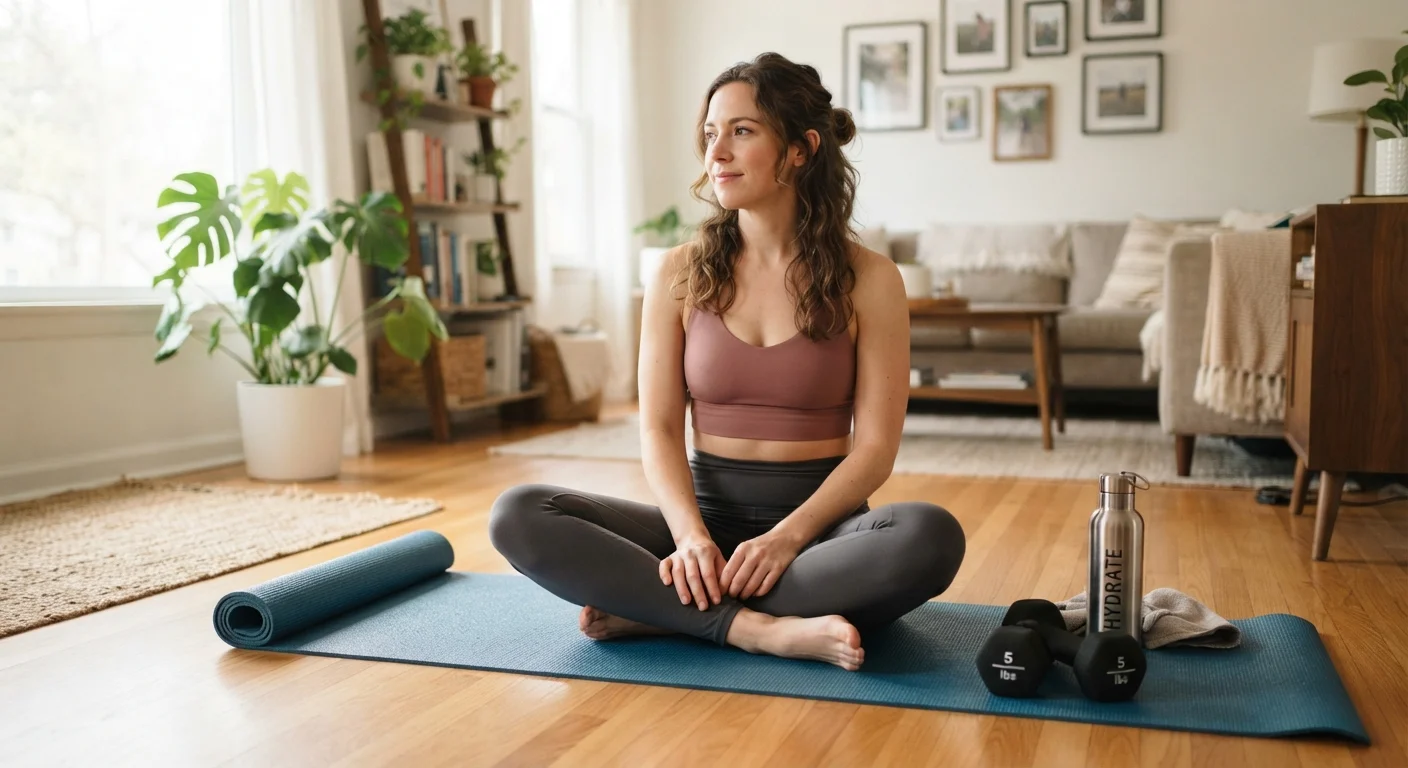
Photo: InsightsTurbo.com | Kickstart Your Knowledge Quest editorial
Key Takeaways
- You don't need to exercise for an hour daily - even 10-20 minutes of consistent movement produces measurable health benefits.
- Soreness is not a reliable indicator of a good workout; discomfort and pain are different signals.
- Strength training does not cause bulkiness in most people - it builds functional muscle and supports metabolism.
- Consistency over intensity is the evidence-backed path to lasting fitness progress for beginners.
- Rest days are a required part of any effective training plan, not a sign of weakness or laziness.
Why Fitness Myths Hit Beginners the Hardest
Starting a new exercise routine is already a vulnerable moment. You're uncertain about your body, you're comparing yourself to people who've been at it for years, and the internet offers a thousand conflicting opinions. Into that gap, fitness myths rush in - and they do real damage.
The most harmful myths don't just spread bad information. They set unrealistic expectations that make quitting feel inevitable. When a beginner believes they need to feel crushed after every session to make progress, they either push too hard and get injured, or feel like they're failing because a moderate walk doesn't leave them floored. Either way, they stop.
Understanding which beliefs are myths - and what the evidence actually shows - is one of the most useful things a new exerciser can do. See below for the most common misconceptions, corrected.
Myth
No pain, no gain - if your workout doesn't hurt, it's not working.
Fact
Mild muscle fatigue is normal; sharp pain or joint discomfort is a warning sign, not a benchmark of effort.
This phrase has probably ended more fitness journeys than any other. There's a meaningful difference between the sensation of muscles working hard and actual pain. Delayed onset muscle soreness (DOMS) - that stiffness felt 24-48 hours after a new activity - is a normal response to unfamiliar movement, but it is neither required nor a reliable sign that a session was productive. Many effective workouts produce little soreness at all. Chasing pain increases injury risk, particularly for beginners whose bodies are still adapting to new loads.
Myth
You need at least an hour of exercise every day to see any benefit.
Fact
Major health guidelines support significant benefits from 150 minutes of moderate activity spread across the week - that's about 20-30 minutes most days.
The U.S. Department of Health and Human Services' Physical Activity Guidelines note that substantial health benefits begin accumulating well before an hour of daily exercise. Even short bouts - ten minutes of brisk walking - contribute meaningfully when they add up across the day. For beginners especially, shorter, more frequent sessions are often more sustainable and equally effective for building base fitness. Don't let the perfect be the enemy of the consistent.
Myth
Lifting weights will make you look bulky.
Fact
Building significant muscle mass requires years of specific, progressive training and precise nutrition - it doesn't happen accidentally.
This myth disproportionately discourages people from strength training - which is one of the most evidence-supported forms of exercise for long-term health. Resistance training builds functional strength, supports bone density, and improves metabolic health. The degree of muscle hypertrophy (growth) visible in competitive bodybuilders is the result of deliberate, highly structured effort over many years. Beginners doing two or three resistance sessions per week will typically notice improved tone and strength, not dramatic size changes. For more on how training variables shape outcomes, see our guide on progressive overload for beginners.
Myth
If you miss a few days, you've lost all your progress.
Fact
Fitness adaptations are durable - a few rest days or even a week off has minimal impact on your conditioning.
Detraining - the measurable loss of fitness gains - takes considerably longer to set in than most people fear. Missing a week due to illness, travel, or life stress does not erase months of work. What matters is returning to movement rather than treating a brief pause as a permanent failure. The all-or-nothing thinking that "I missed Monday so the week is ruined" is a cognitive pattern, not a physiological reality - and it's one of the most common reasons beginners quit entirely.
Myth
Rest days mean you're being lazy and slowing your progress.
Fact
Rest days are when muscle repair and adaptation actually occur - skipping them undermines, not accelerates, progress.
Exercise creates stress on muscle tissue; recovery is when the body responds by rebuilding stronger. Without adequate rest, this process is interrupted, increasing injury risk and leading to overtraining symptoms like fatigue, poor sleep, and declining performance. Most exercise physiology guidance recommends at least one to two rest days per week for active beginners. Understanding how rest fits into training can reframe days off as productive - because they genuinely are.
Myth
You must go to a gym to get a real workout.
Fact
Bodyweight training at home can be equally effective for building strength and cardiovascular fitness, especially at beginner levels.
Gym access has real advantages - variety, equipment, and sometimes community - but it is not a prerequisite for meaningful fitness progress. Squats, push-ups, lunges, and walking require no equipment and can be scaled to almost any fitness level. If you're weighing your options, our article on bodyweight training vs. gym machines offers a grounded comparison. The best workout environment is the one you'll actually use consistently.
What Actually Drives Long-Term Results
The evidence on exercise adherence is consistent: consistency beats intensity, especially early on. Research published in health behaviour journals consistently shows that people who start at a moderate, sustainable pace are significantly more likely to still be exercising months later than those who launch with extreme regimens.
150 min
Weekly moderate activity for measurable health benefit
According to the U.S. Department of Health and Human Services' Physical Activity Guidelines for Americans, this is the minimum recommended target for adults.
~50%
Adults who drop new exercise habits within 6 months
Exercise adherence research consistently shows that roughly half of new exercisers discontinue within six months, often citing unrealistic early expectations.
This is why the science of habit formation matters so much for beginners. A 15-minute walk that you do four times a week compounds into something meaningful over months. An hour-long boot camp session you dread and eventually avoid does not.
If you want to understand why so many beginner plans collapse before the first month is out, the patterns are well-documented - and almost always traceable to starting too hard, too fast. Our piece on why beginner workout plans fail breaks those patterns down clearly.
It also helps to have a specific target in mind. Vague intentions like "get fit" rarely translate to action. Setting a concrete, realistic first fitness goal gives your effort direction and makes it easier to measure real progress without fixating on the scale.
Don't Let Myths Shape Your Starting Point
This article is for general informational purposes only and does not constitute medical advice. If you have an existing health condition, injury, or are new to exercise after a long period of inactivity, consult a qualified healthcare professional before starting a new fitness routine.
The content provided on our blog site traverses numerous categories, offering readers valuable and practical information. Readers can use the editorial team’s research and data to gain more insights into their topics of interest. However, they are requested not to treat the articles as conclusive. The website team cannot be held responsible for differences in data or inaccuracies found across other platforms. Please also note that the site might also miss out on various schemes and offers available that the readers may find more beneficial than the ones we cover.