
Mindfulness vs. Meditation: Which Fits Into a Busy Life?

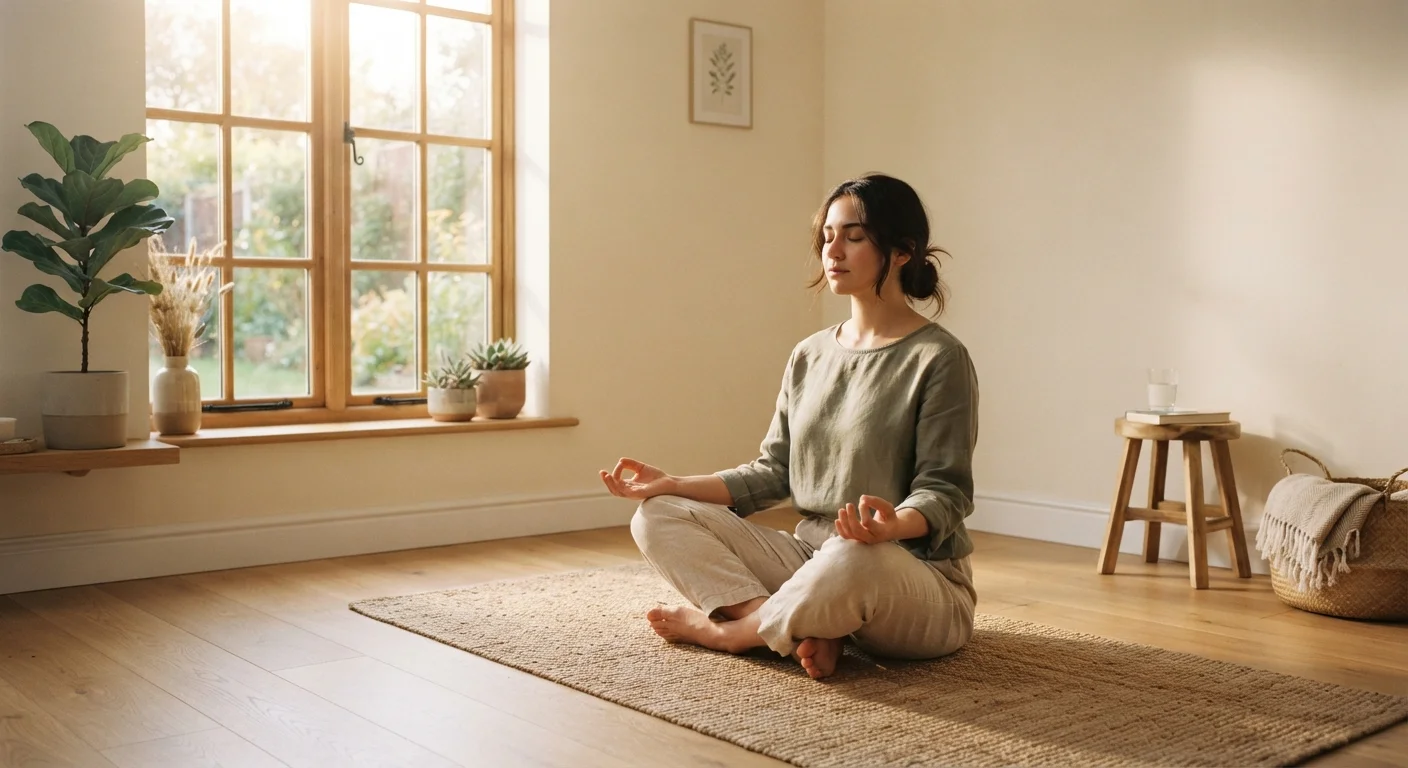
Photo: InsightsTurbo.com | Kickstart Your Knowledge Quest editorial
Key Takeaways
- Mindfulness is a quality of attention you can bring to everyday moments; meditation is a structured practice.
- Mindfulness requires no dedicated time block - meditation typically does, even if only 5-10 minutes.
- Both approaches have well-documented associations with reduced stress and improved focus.
- They work well together, but either one alone still offers meaningful benefit.
- Your schedule and personality can guide which to start with - there's no wrong answer.
What's Actually the Difference?
If you've Googled either term, you've probably found them used almost interchangeably - which is part of why so many people feel stuck before they even begin. Here's a cleaner way to think about it:
Mindfulness is a mental quality - the practice of paying deliberate, non-judgmental attention to what's happening right now. You can be mindful while washing dishes, commuting, or having a conversation. It doesn't require a special setting or time allocation.
Meditation is a structured practice - a deliberate, time-set activity where you train your attention using a specific technique (breath focus, body scanning, visualization, etc.). It's the gym; mindfulness is staying active throughout the day.
Think of it this way: all meditation cultivates mindfulness, but not all mindfulness requires meditation. Understanding that distinction makes it much easier to figure out what fits your life right now. For context on why mental wellness habits can feel harder to build than expected, see our guide to stress vs. anxiety.
How Each One Actually Works
Mindfulness in practice means repeatedly redirecting your attention to the present - noticing sensations, thoughts, or emotions without getting pulled into them. Over time, this noticing becomes more natural and automatic. Research published in journals such as Psychological Science has linked regular mindfulness practice to measurable reductions in rumination and emotional reactivity, though researchers continue to study the specific mechanisms involved.
Meditation in practice involves sitting (or lying) quietly and working through a defined technique, usually for anywhere from 5 to 30 minutes. Common types include focused-attention meditation (anchoring to the breath), open-monitoring meditation (observing thoughts without attachment), and loving-kindness meditation (cultivating compassion). Each has a slightly different emphasis, but all involve intentional, repeated mental training.
| Mindfulness | Meditation | |
|---|---|---|
| Time required | Embedded in daily activities | Dedicated 5-30 min session |
| Learning curve | Low - start immediately | Moderate - technique takes practice |
| Equipment or space needed | None | Quiet space; optional: app or timer |
| Primary benefit | Present-moment awareness throughout day | Deeper focused attention training |
| Best entry point | Any routine task (eating, walking) | Breath-focused sitting session |
| Works independently? | Yes | Yes |
If your challenge is staying focused during work, you might also find value in thinking about how deep and shallow work differ - the cognitive skills overlap in interesting ways.
Time Commitment: A Realistic Look
Start With One Anchor Habit
This is usually the deciding factor for busy people. Mindfulness, by design, attaches to activities you're already doing - so the time cost is nearly zero. The mental effort is real, but the calendar cost is minimal. That's a significant advantage when your schedule is already stretched.
Meditation asks more: you need a window where you won't be interrupted. A well-researched starting point often cited in psychology literature is around 10 minutes per day, though even shorter sessions show measurable short-term effects on self-reported calm and attention. The trade-off is that it requires consistency over weeks to build a durable habit.
If time management is already a pressure point for you, our article on why time management habits are harder to build than they look may give useful context on how to protect that dedicated window.
What the Evidence Suggests
8 weeks
Typical MBSR program length studied
Most foundational mindfulness research uses 8-week Mindfulness-Based Stress Reduction programs as the study framework.
10 min/day
Common starting meditation duration
Multiple studies examining short-session meditation find self-reported benefits with sessions as brief as 10 minutes daily.
~1 in 5
U.S. adults reporting meditation use
According to the National Center for Health Statistics, meditation use among U.S. adults has grown substantially over the past decade.
Both practices have a solid body of supporting research - though it's worth noting that study quality varies, and effects differ across individuals and conditions. Here's what the evidence generally points to:
- Stress reduction: Both mindfulness and meditation are associated with lower self-reported stress and reduced physiological markers of stress response (like cortisol levels) in multiple studies.
- Attention and focus: Meditation, particularly focused-attention styles, shows stronger associations with sustained attention improvements than informal mindfulness alone.
- Emotional regulation: Mindfulness-based interventions are among the more studied approaches in clinical psychology for supporting emotional regulation, particularly in programs like Mindfulness-Based Stress Reduction (MBSR).
- Sleep: Some research suggests that both practices may support sleep quality, though results are mixed and more research is ongoing.
This article is for informational purposes only and is not a substitute for professional medical or mental health advice. If you're experiencing significant stress, anxiety, or other mental health concerns, please speak with a qualified healthcare professional.
The content provided on our blog site traverses numerous categories, offering readers valuable and practical information. Readers can use the editorial team’s research and data to gain more insights into their topics of interest. However, they are requested not to treat the articles as conclusive. The website team cannot be held responsible for differences in data or inaccuracies found across other platforms. Please also note that the site might also miss out on various schemes and offers available that the readers may find more beneficial than the ones we cover.