
Building a Portfolio When You Have Little to No Work Experience

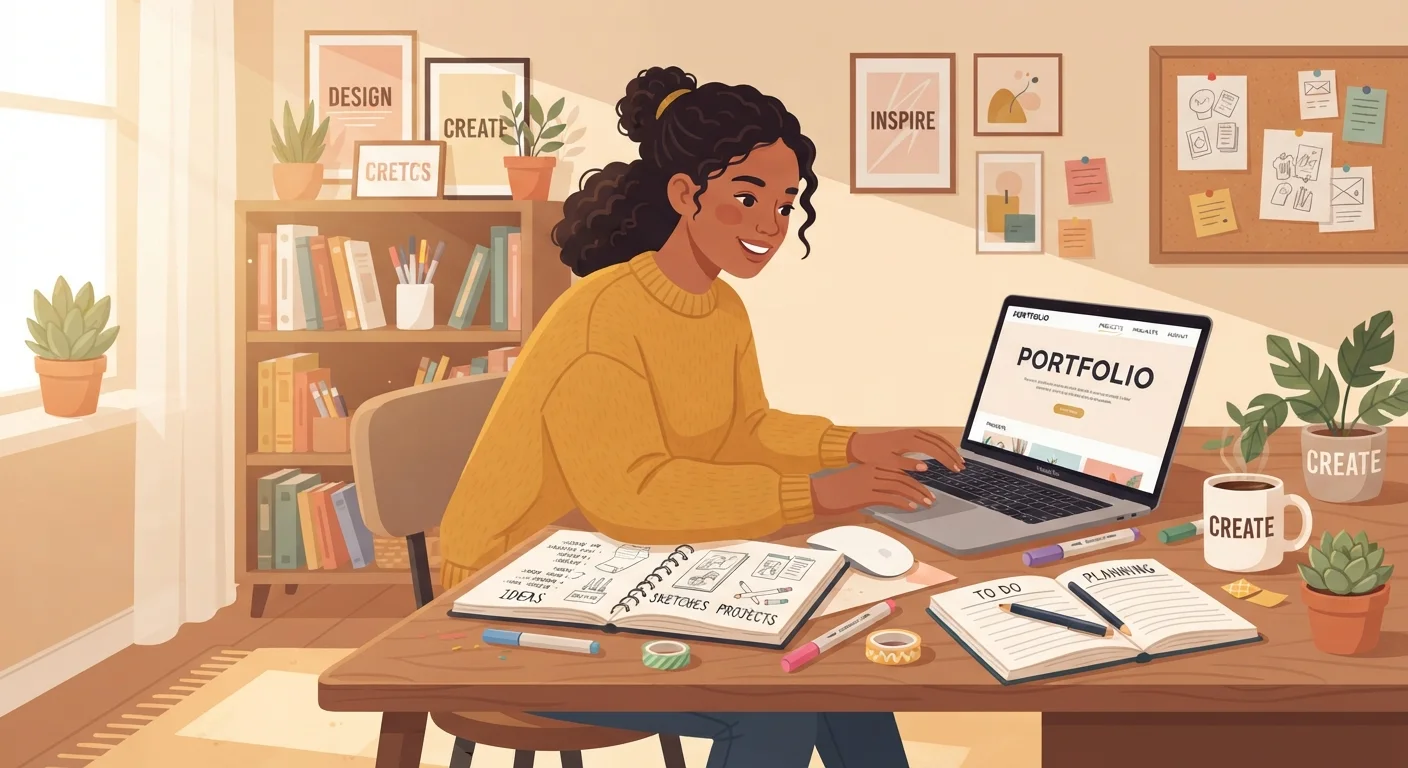
Photo: InsightsTurbo.com | Kickstart Your Knowledge Quest editorial
Key Takeaways
- A portfolio can include class projects, volunteer work, and self-initiated projects - not just paid jobs.
- Employers care more about demonstrated skills than formal job titles on a portfolio.
- Choosing a focused niche makes your portfolio more compelling than trying to show everything.
- Even one well-documented, high-quality project is more persuasive than several half-finished ones.
- Your portfolio is a living document - update it regularly as you build new skills.
Why a Portfolio Matters Before You Have Job Experience
Employers hiring for entry-level roles face a genuine challenge: every candidate has a thin resume. A portfolio shifts the conversation from what jobs have you held to what can you actually do. That distinction is powerful when you're competing with dozens of applicants who have nearly identical academic backgrounds.
Portfolios are no longer just for designers or developers. Writers, marketers, analysts, educators, project managers, and even finance professionals increasingly use them to demonstrate capability. The format varies by field, but the underlying logic is the same: show evidence of skill, not just a claim of it.
If you're still figuring out which skills to prioritize, our guide on career skills every entry-level job seeker should be building offers a practical starting list. And if the whole process feels overwhelming, a realistic framework for getting started with upskilling can help you pace yourself.
What you will need
How to Build and Present Your Portfolio
Building a portfolio when you have little experience is less about fabricating credentials and more about being intentional with the work you create going forward. The steps below walk you through identifying what to include, creating pieces that don't yet exist, and presenting everything in a way that's honest and compelling.
Portfolio hosting platform
Displays your work publicly so employers and recruiters can review it easily.
Google Docs or Notion
Used to draft project write-ups, case studies, and process documentation.
GitHub
Hosts code-based projects and shows version history for technical roles.
Canva or Figma
Useful for creating visual project mockups or design-oriented portfolio pieces.
Define the skill or role you want to target
Before you build anything, get specific about what you want your portfolio to communicate. Are you aiming for a marketing coordinator role, a junior data analyst position, or a content writing job? Each target requires a different set of proof points. Browse job postings for roles that interest you and note the skills that appear repeatedly - those are your building blocks.
Take stock of work you've already done
You likely have more raw material than you think. Class assignments, club leadership roles, event planning, tutoring, freelance favors for family - all of these can become portfolio pieces with the right framing. Make a full list before dismissing anything as 'not professional enough.' The question to ask is: does this demonstrate a real skill?
Fill gaps with self-initiated projects
If your existing work doesn't cover the skills you need to show, create projects on purpose. Write a sample marketing plan for a local nonprofit. Analyze a publicly available dataset and write up your findings. Redesign a website's user flow as a concept exercise. These self-initiated projects are completely legitimate and widely respected by hiring managers in many fields.
Document each project with a clear write-up
The work itself is only half the portfolio. For each piece, write a short case study that covers: what the goal was, what you did specifically, any tools or methods you used, and what the outcome was (even if measurable results aren't available, explain what was learned or delivered). This write-up shows analytical thinking and communication ability - two skills employers value across almost every field.
Choose and set up a hosting platform
Select a platform that fits your field. Developers typically use GitHub; designers use Behance or a personal site; writers often use a simple Notion page or a free CMS. Whichever platform you choose, keep the layout clean and navigation obvious. A recruiter should be able to find your best work within thirty seconds of landing on your portfolio.
Update your portfolio regularly
A portfolio is not a one-time task. As you complete new projects, volunteer work, or coursework, add the strongest pieces and retire weaker earlier ones. Set a calendar reminder to review your portfolio every two to three months. Stale portfolios signal to employers that you haven't been actively developing skills.
Quality Over Quantity Every Time
Avoid Misrepresenting Others' Work
Start Narrow, Then Expand
Once your portfolio is in place, the next challenge is representing those projects accurately on your resume. Our guide on presenting your skills on a CV without overstating or underselling them walks through how to describe what you've done in a way that's both honest and persuasive.
The content provided on our blog site traverses numerous categories, offering readers valuable and practical information. Readers can use the editorial team’s research and data to gain more insights into their topics of interest. However, they are requested not to treat the articles as conclusive. The website team cannot be held responsible for differences in data or inaccuracies found across other platforms. Please also note that the site might also miss out on various schemes and offers available that the readers may find more beneficial than the ones we cover.