
Skilled Trades Worth Knowing About in a Changing Job Market

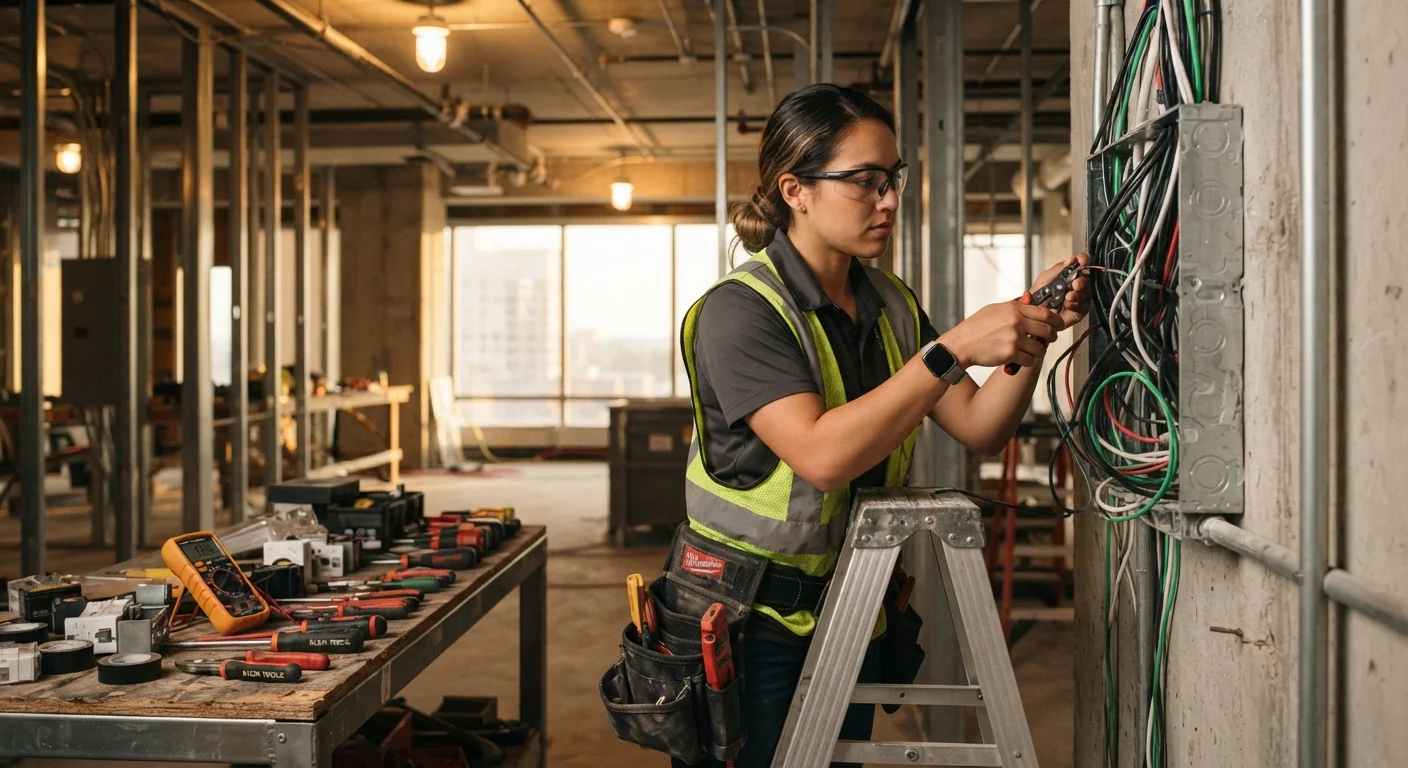
Photo: InsightsTurbo.com | Kickstart Your Knowledge Quest editorial
Key Takeaways
- Many skilled trades require less than two years of training and offer competitive starting wages.
- Apprenticeships let you earn income while completing on-the-job training toward a credential.
- Trades like electrical work, plumbing, and HVAC are experiencing sustained demand driven by infrastructure needs.
- Community colleges and union programs are common entry points that don't require a four-year degree.
- Physical automation has limits - hands-on trades remain difficult for technology to fully replace.
Why Trades Are Getting a Second Look
For much of the past two decades, the dominant career narrative pointed toward four-year college degrees. But that story is shifting. Labor market data consistently shows shortages of qualified tradespeople across construction, utilities, and maintenance sectors - shortages that are expected to deepen as older workers retire and infrastructure spending increases.
The appeal is practical: many trade programs take one to two years to complete, cost significantly less than a bachelor's degree, and lead directly into roles with stable salaries and benefits. For young adults weighing their options, trades deserve a serious look alongside traditional academic routes. See our comparison of today's main education paths for a broader breakdown of what each route involves.
Below are seven trades drawing real interest right now - along with what training typically looks like and why demand exists.
Electrician
Electricians install, maintain, and repair electrical systems in homes, commercial buildings, and industrial facilities. It's one of the most consistently in-demand trades, supported by ongoing construction, renewable energy expansion, and the electrification of heating and transportation systems.
Training typically begins with a vocational program at a community college or technical school, followed by an apprenticeship lasting four to five years. Apprentices work under journeypersons and study electrical theory, safety codes, and blueprint reading. A state license is required in most jurisdictions.
Renewable energy growth is expanding electrician demand well beyond traditional construction roles.
Plumber
Plumbers work on water supply, drainage, and gas piping systems. Demand is stable because plumbing is essential in every built structure - residential, commercial, and industrial. Aging infrastructure in many US cities is also generating significant repair and replacement work.
The path typically involves a four- to five-year apprenticeship combining paid on-the-job training with technical coursework. Licensing requirements vary by state, but most jurisdictions require passing a written exam after completing an apprenticeship.
Aging water infrastructure nationwide is creating sustained demand for skilled plumbing professionals.
HVAC Technician
Heating, ventilation, and air conditioning (HVAC) technicians install and service climate control systems. Energy efficiency upgrades, stricter building codes, and climate-related demand for cooling systems are all driving growth in this sector.
Entry-level training programs at trade schools typically run six months to two years. Many technicians then complete an apprenticeship or on-the-job training. EPA Section 608 certification is federally required for anyone handling refrigerants.
Energy efficiency upgrades and climate-driven cooling demand are reshaping the HVAC landscape.
Welder
Welders join metal components used in manufacturing, construction, pipelines, shipbuilding, and aerospace. Skilled welders - particularly those certified in specialized techniques - are in short supply relative to demand in several industrial sectors.
Training programs range from a few months at a technical school to two-year associate degree programs. The American Welding Society (AWS) offers industry-recognized certifications that employers frequently require or prefer. Certification in multiple welding processes broadens job prospects considerably.
Certification in multiple welding techniques substantially widens employment options across industries.
Diesel Mechanic
Diesel mechanics maintain and repair trucks, buses, construction equipment, and agricultural machinery. As freight logistics continue to expand, demand for qualified diesel technicians is projected to remain strong. The increasing integration of electronics and computer diagnostics in modern diesel engines also means this role requires ongoing technical learning.
Postsecondary programs at community colleges and technical schools usually take one to two years. Many employers also offer on-the-job training, and manufacturers sometimes provide specialized certification programs for their equipment lines.
Modern diesel equipment requires both mechanical aptitude and comfort with computer diagnostics systems.
Construction Carpenter
Carpenters build and repair structures using wood and other materials - from framing houses to installing finish trim and cabinetry. Residential and commercial construction demand continues to be robust in many US regions, and experienced finish carpenters are particularly sought after.
Apprenticeships through unions such as the United Brotherhood of Carpenters typically run three to four years. Independent vocational programs also exist, though union apprenticeships often come with better wage progression and benefits during training.
Finish carpentry skills are among the most sought-after specializations within the broader construction trades.
Industrial Maintenance Technician
Industrial maintenance technicians keep manufacturing equipment, conveyor systems, and production machinery running. As factories modernize, these roles increasingly blend mechanical skills with electrical and programmable logic controller (PLC) knowledge - making them a strong fit for people who enjoy both hands-on work and technical problem-solving.
Community college associate degree programs in industrial technology or mechatronics typically take two years. Some employers recruit directly from these programs and offer additional on-site training specific to their equipment. See our guide to career skills for more on how to build workplace-ready technical competencies.
Industrial maintenance increasingly requires blending mechanical, electrical, and digital troubleshooting skills.
How to Start Exploring a Trade Career
The most common entry points are community college vocational programs, union apprenticeships, and employer-sponsored training. Each path has different costs, timelines, and credential outcomes, so it's worth researching what's available in your region before committing.
Talk to People Already in the Trade
Apprenticeships are particularly worth understanding - they allow you to earn wages while training, often leading to a journeyperson certification recognized nationally. Once you're in a trade role, the transferable skills you build - problem-solving, communication, time management - compound your value over time and open doors to supervisory or self-employed work.
Reading job postings carefully is also a smart early step. Our guide on reading a job description the right way explains how to decode requirements and spot the credentials employers actually prioritize.
The content provided on our blog site traverses numerous categories, offering readers valuable and practical information. Readers can use the editorial team’s research and data to gain more insights into their topics of interest. However, they are requested not to treat the articles as conclusive. The website team cannot be held responsible for differences in data or inaccuracies found across other platforms. Please also note that the site might also miss out on various schemes and offers available that the readers may find more beneficial than the ones we cover.