
Managing Money While Travelling: Cards, Cash, and Currency Exchange

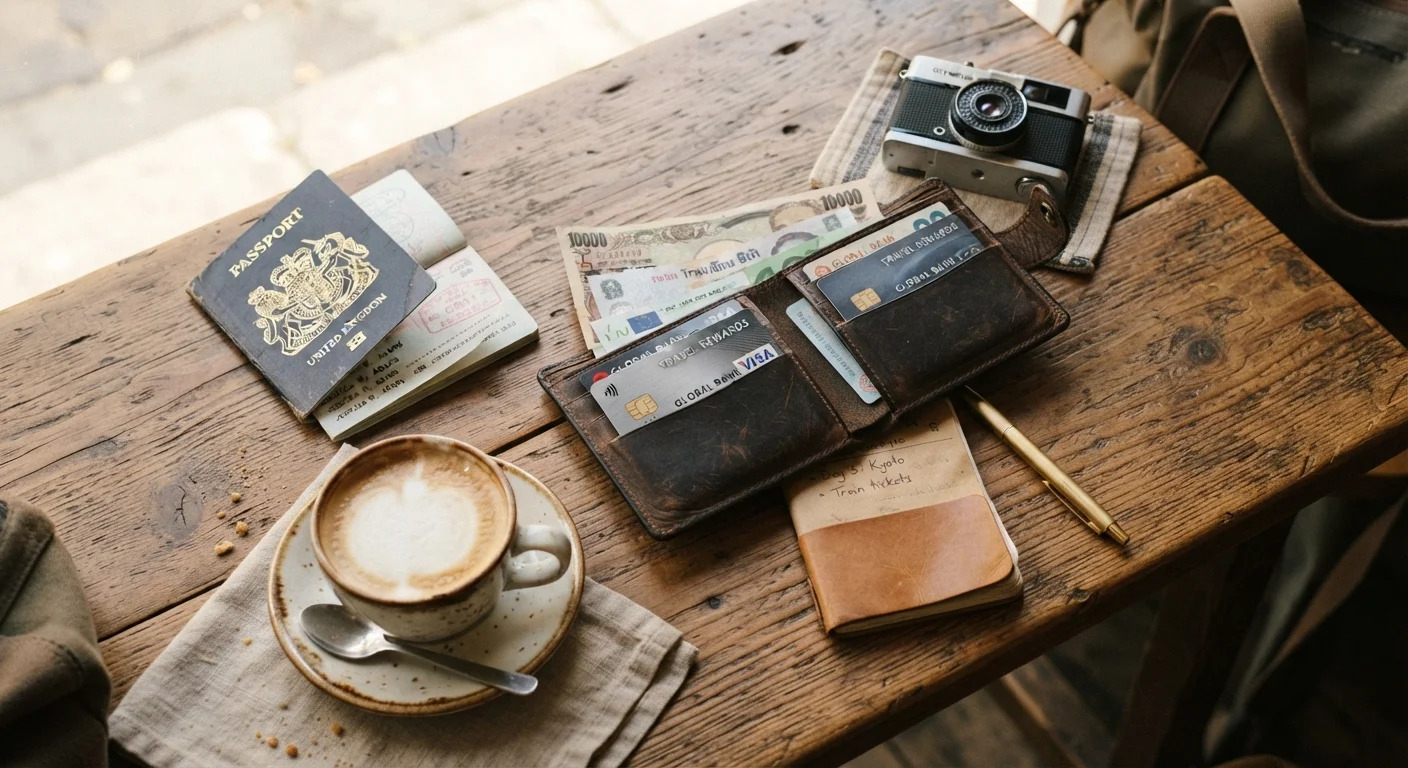
Photo: InsightsTurbo.com | Kickstart Your Knowledge Quest editorial
The Basics: Three Ways to Carry Money Abroad
When you travel internationally, you generally have three tools at your disposal: credit cards, debit cards, and physical cash. Most experienced travelers use some combination of all three rather than relying on a single method. Each has distinct advantages and weak points that vary by destination, situation, and your own spending habits.
Credit cards offer purchase protection and are widely accepted in urban areas and tourist zones. Debit cards let you withdraw local currency from ATMs as needed. Cash covers markets, small vendors, tips, and places that simply don't take cards — which is still common in parts of Europe, Asia, and Latin America.
Before you decide on a mix, it helps to research your specific destination. Some countries are nearly cashless; others are almost entirely cash-based. If you're still building your overall trip plan, this end-to-end planning guide covers how to research destination logistics from the ground up.
Cards Abroad: Fees You Need to Know
Not all cards behave the same way overseas. Here are the three fees most likely to erode your travel budget:
- Foreign transaction fee: A charge — typically 1–3% — added to purchases made in a foreign currency. Many travel-oriented cards waive this; standard cards often don't.
- ATM withdrawal fee: Your bank may charge a flat fee per overseas ATM withdrawal, plus the foreign ATM operator may add its own fee on top.
- Dynamic currency conversion (DCC): When a merchant or ATM offers to charge you in U.S. dollars instead of local currency, this sounds convenient but almost always applies a poor exchange rate. Decline DCC and always pay in the local currency.
Before you travel, call your bank or check your card's terms to understand exactly what you'll be charged. Look for cards that explicitly waive foreign transaction fees if you travel frequently. Understanding these costs is also part of building an accurate trip budget — this budget anatomy guide walks through cost categories travelers routinely miss.
Currency Exchange: Where and How
Currency exchange rates vary significantly depending on where and how you convert money. Here's a general hierarchy from most to least favorable, though exact rates fluctuate:
- ATMs in the destination country — typically offer rates close to the mid-market rate, especially with a card that waives foreign ATM fees.
- Local banks or post offices — often competitive rates with transparent fees.
- Airport currency desks — usually convenient but carry higher markups. Useful for a small amount to cover immediate arrival costs.
- Hotel exchange desks — generally the least favorable option.
- Pre-trip exchange at a home bank — rates vary; worth checking if your bank offers competitive rates for common currencies.
Avoid exchanging large sums at once if rates seem unfavorable. Carry enough cash for a day or two, then withdraw more as needed. For trips where your spending habits will directly affect how far your budget stretches, see these budget travel principles for broader context.
Practical Safety and Backup Planning
Financial emergencies abroad — a lost card, a skimmed ATM, a stolen wallet — can derail a trip fast. A few practical habits significantly reduce that risk:
- Carry cards in separate locations. Keep one card in your day bag and a backup stored securely at your accommodation.
- Notify your bank before you travel. Banks may freeze cards flagged for foreign activity. A quick call or app notification prevents this.
- Keep a small cash reserve. Even if you plan to rely on cards, having some local currency set aside for emergencies makes sense.
- Use ATMs attached to banks. Standalone ATMs in tourist areas carry a higher risk of card skimming devices.
- Monitor your accounts regularly. Checking your statements every day or two while abroad helps you catch unauthorized charges quickly.
Spending habits also matter. Small, repeated purchases you don't track are often what blows a travel budget — this guide on common spending patterns explains the patterns worth watching. If you use travel credit cards with rewards programs, understanding how points and miles work can inform how you use those cards day-to-day.
This article provides general financial education for travel purposes and is not personalized financial advice. Fees, rates, and card terms change frequently — always verify current terms directly with your bank or card issuer before traveling.
The content provided on our blog site traverses numerous categories, offering readers valuable and practical information. Readers can use the editorial team’s research and data to gain more insights into their topics of interest. However, they are requested not to treat the articles as conclusive. The website team cannot be held responsible for differences in data or inaccuracies found across other platforms. Please also note that the site might also miss out on various schemes and offers available that the readers may find more beneficial than the ones we cover.