
Why First-Time Buyers Overpay (And How to Avoid It)

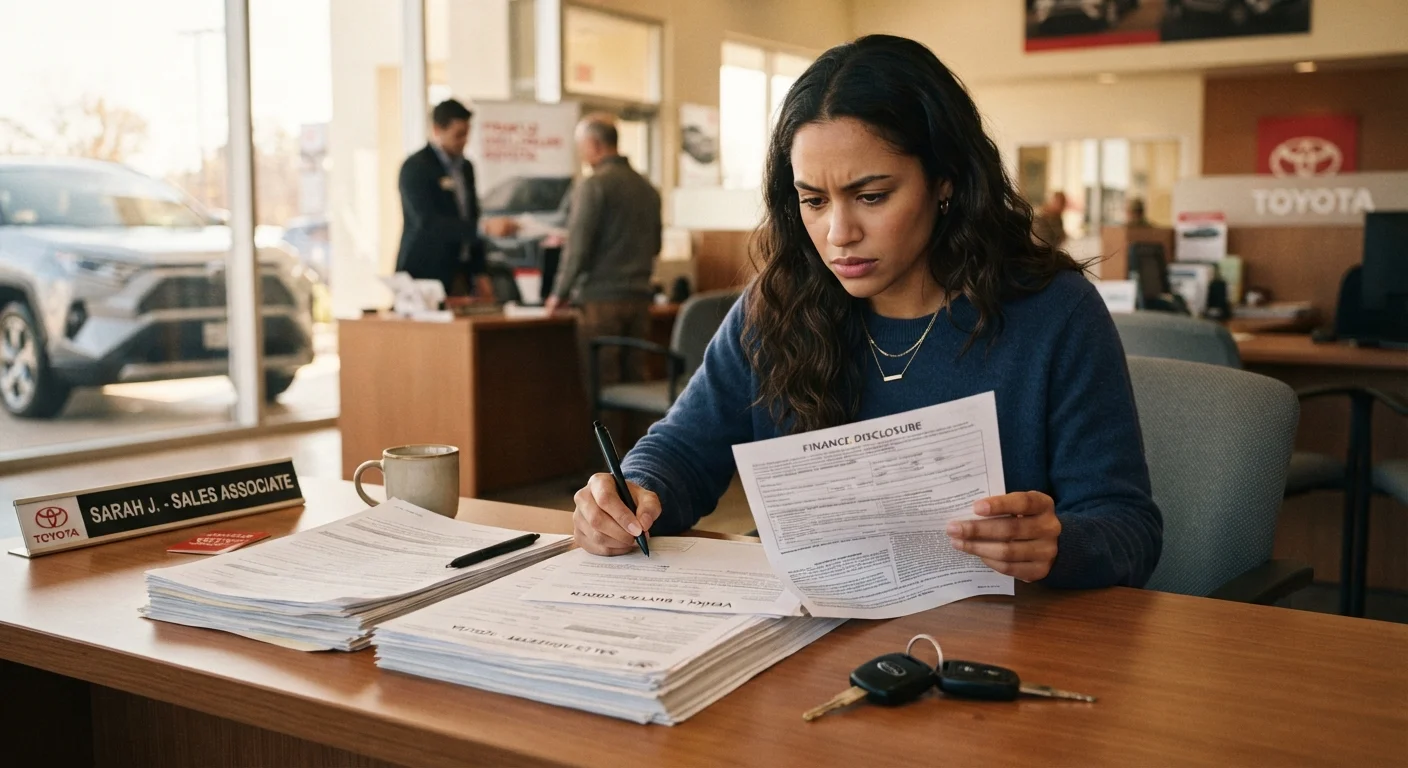
Photo: InsightsTurbo.com | Kickstart Your Knowledge Quest editorial
Key Takeaways
- Focusing only on monthly payments - not total loan cost - is the most expensive mistake first-time buyers make.
- Skipping pre-approval means walking into a dealership without knowing your real budget or leverage.
- Add-ons and dealer fees added at signing can quietly inflate the purchase price by hundreds or thousands.
- Understanding the full cost of ownership - insurance, maintenance, fuel - prevents budget shock after purchase.
- Researching fair market value before negotiating puts you in a far stronger position at the dealership.
The Hidden Traps in the Car-Buying Process
First-time buyers rarely overpay on purpose. They overpay because the car-buying process is designed around information asymmetry - dealers negotiate these deals every day, while most buyers do it once or twice in a lifetime. The good news is that the most expensive mistakes are predictable, which means they're preventable.
Before stepping onto a lot, it pays to understand the full car-buying roadmap - from setting a realistic budget to understanding what you're signing at the end. The mistakes below surface in that process repeatedly, and knowing them in advance is your best defense.
Negotiating based on monthly payment rather than total vehicle price.
Walking into a dealership without loan pre-approval from a bank or credit union.
Agreeing to add-ons and extras during the finance and insurance (F&I) office signing stage.
Not researching fair market value before arriving at the dealership.
Budgeting only for the purchase price, ignoring total cost of ownership.
The Numbers Behind Buyer Overpayment
Overpayment isn't always dramatic - it often accumulates across several small decisions that each seem minor in the moment. A slightly higher interest rate, a few unnecessary add-ons, and skipping one round of negotiation can together cost a buyer well over $3,000 across a standard loan term.
~$1,200
Estimated average overpayment by first-time buyers
Industry observers and consumer advocacy groups have noted that unprepared first-time buyers commonly pay significantly more than the typical market transaction price for comparable vehicles.
72 months
Common new-car loan term length
The Consumer Financial Protection Bureau has noted the growing prevalence of six-year and longer auto loan terms, which reduce monthly payments while substantially increasing total interest paid.
First-time buyers are also especially vulnerable to overlooking ongoing costs. Insurance premiums for new drivers can be significantly higher than average - understanding why new drivers overpay for insurance is a critical part of setting a realistic ownership budget before you buy.
It's also worth reading about common car-buying myths first-timers believe - some of the most expensive decisions stem from widely-held misconceptions about how dealerships actually work.
Dealer Add-Ons Can Be Declined
For a broader look at what the first year of ownership actually costs, see what new buyers don't anticipate in year one. Planning for those costs before you buy - not after - is what separates buyers who stay on budget from those who don't.
The content provided on our blog site traverses numerous categories, offering readers valuable and practical information. Readers can use the editorial team’s research and data to gain more insights into their topics of interest. However, they are requested not to treat the articles as conclusive. The website team cannot be held responsible for differences in data or inaccuracies found across other platforms. Please also note that the site might also miss out on various schemes and offers available that the readers may find more beneficial than the ones we cover.