
The First-Time Car Buyer's Complete Roadmap

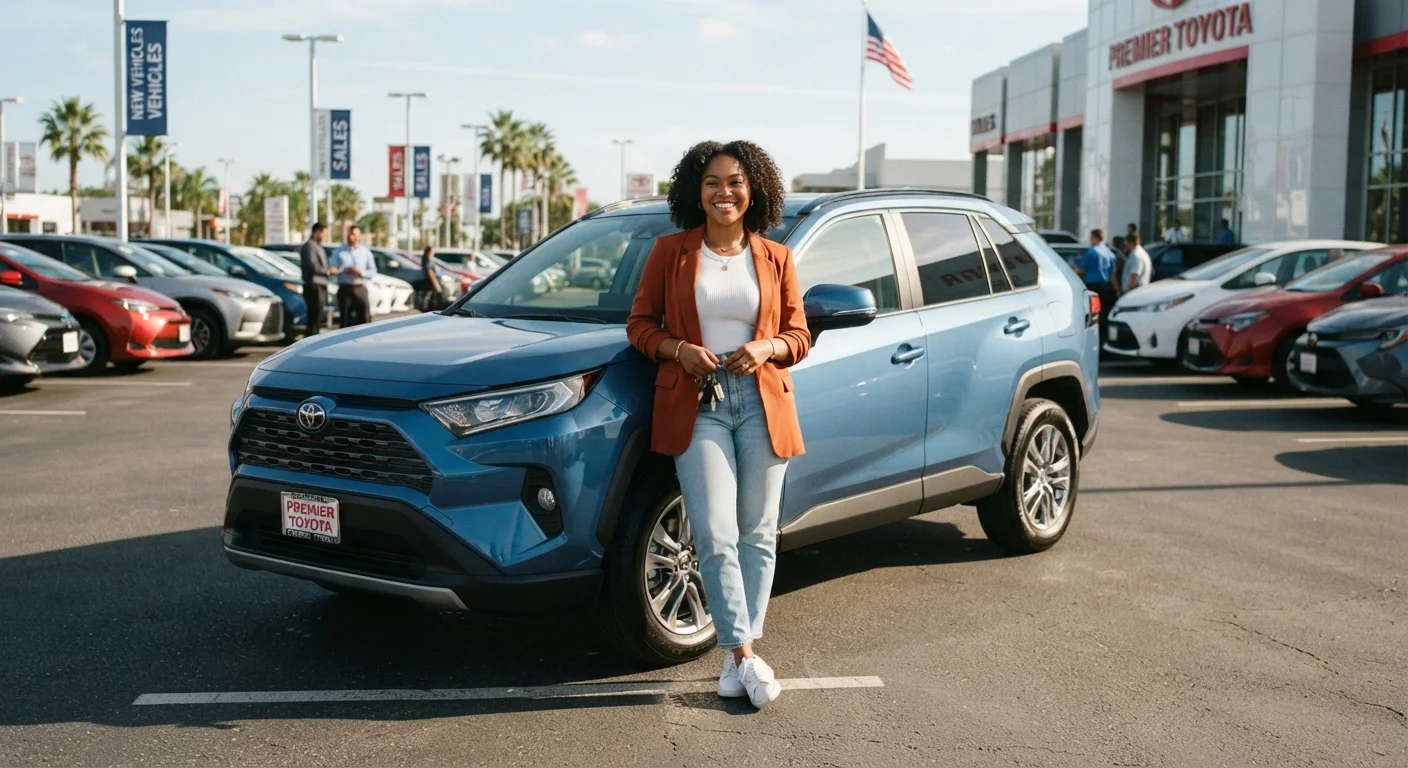
Photo: InsightsTurbo.com | Kickstart Your Knowledge Quest editorial
Key Takeaways
- Set a total ownership budget before you start shopping - not just a purchase price.
- The new-vs-used decision affects your loan terms, insurance costs, and maintenance exposure.
- Always have a used vehicle independently inspected before signing anything.
- Understanding your financing options before visiting a dealership puts you in a stronger position.
- Costs don't stop at purchase - insurance, registration, and maintenance add up quickly in year one.
Start With Your Budget, Not the Car
The single most common mistake first-time buyers make is falling in love with a car before they know what they can actually afford. Budget first, browse second.
Your car budget has two distinct layers: the purchase price and the total cost of ownership. Purchase price is what you pay to acquire the vehicle. Total cost of ownership includes fuel, insurance, registration fees, scheduled maintenance, and unexpected repairs. First-timers routinely underestimate the second layer - sometimes by hundreds of dollars a month.
A practical starting point: most personal finance guidelines suggest keeping total vehicle expenses (loan payment + insurance + fuel + maintenance) below 15-20% of your monthly take-home pay. Use that as a ceiling, not a target. See our guide to building your first budget if you're not sure how to calculate your available monthly cash.
Build Your Full Budget Before Browsing
Don't forget to factor in the cost of insuring a vehicle before you commit to buying it. Insurance rates for first-time drivers vary significantly based on the vehicle type, your age, and your location - get at least one quote on any car you're seriously considering.
New vs. Used: The Core Trade-Off
This decision shapes almost everything that follows - your loan terms, insurance premiums, warranty coverage, and how much risk you're absorbing.
New cars come with manufacturer warranties, the latest safety features, and no ownership history to worry about. They also depreciate sharply the moment they're driven off the lot - typically losing a meaningful percentage of value within the first year. Financing rates on new vehicles are often lower, but the loan amount is higher.
Used cars let someone else absorb that early depreciation. A well-maintained three-to-five-year-old vehicle can offer solid reliability at a significantly lower price point. The trade-offs are a shorter or absent warranty, less visibility into the vehicle's history, and potentially higher financing rates on older models.
For a detailed breakdown of how each choice plays out in practice, see our article on new car vs. used car for first-time buyers.
~20%
New car value lost in first year
New vehicles commonly depreciate by roughly 15-20% in their first year of ownership, according to automotive industry data.
$700+
Average monthly new car payment (US)
Experian's State of the Automotive Finance Market report has noted average new vehicle monthly payments exceeding $700 in recent years.
36-72 mo
Typical auto loan term range
Most US auto loans are structured between 36 and 72 months, with longer terms becoming increasingly common for new vehicles.
Where You Buy Matters as Much as What You Buy
You have two main purchasing channels: franchised dealerships and private sellers. Each carries a distinct risk-reward profile.
Dealerships offer financing on-site, certified pre-owned (CPO) programs that include inspections and limited warranties, and consumer protection under state lemon laws. The trade-off is that dealers are professional negotiators and you're likely not - yet. Understanding that dynamic going in is half the battle.
Private sellers typically offer lower prices because there's no overhead, but you get no warranty, no financing arranged for you, and limited recourse if something goes wrong after the sale. The vehicle should always be inspected by an independent mechanic before purchase - this is non-negotiable.
Explore the full comparison in our article on buying from a private seller vs. a dealership.
Never Skip the Independent Inspection
Financing: Understanding How Auto Loans Work
Unless you're paying cash, you'll take out an auto loan - a fixed installment loan where you borrow a set amount and repay it with interest over a term, typically 36 to 72 months.
Three numbers define your loan: the principal (amount borrowed), the APR (annual percentage rate - the true yearly cost including fees), and the loan term (how many months to repay). A longer term lowers your monthly payment but increases total interest paid. A shorter term costs more per month but less overall.
Financing is available through banks, credit unions, and dealership finance departments. Getting pre-approved through a bank or credit union before visiting a dealership gives you a benchmark rate - you'll know whether the dealer's offer is competitive or not. This is one of the most effective ways to avoid overpaying as a first-time buyer.
Get pre-approved for a loan before you set foot in a dealership. Walking in with a concrete offer in hand shifts the conversation from 'what can you afford monthly' to 'what's the total price of the car.'
Negotiate the out-the-door price, not the sticker price. Ask for a written breakdown of all fees - documentation fees, dealer prep, and destination charges - before agreeing to anything.
The Inspection and Test Drive
Never skip a test drive, and never skip an independent inspection on a used vehicle. These two steps exist to surface problems before they become your financial responsibility.
During the test drive, drive on streets similar to your daily conditions - highway, city traffic, parking situations. Listen for unusual sounds when braking, accelerating, or turning. Test every feature: climate control, windows, infotainment, lights. A car that feels off during a test drive almost certainly has issues.
An independent pre-purchase inspection (PPI), performed by a mechanic you hire (not one recommended by the seller), typically costs between $100 and $200 and can reveal hidden mechanical problems that aren't visible during a test drive. On a used vehicle priced at several thousand dollars or more, this is a sound investment.
Also request a vehicle history report using the car's VIN. This documents prior accidents, title issues, odometer readings, and service records from participating shops.
Do Not Sign Until You've Read Everything
Closing the Deal and What Comes Next
Once you've agreed on a price, you'll sign a purchase agreement and - if financing - a loan contract. Read both documents in full before signing. Pay particular attention to the final sale price, any add-on products (extended warranties, paint protection, GAP insurance), and the loan's APR and term. Dealers sometimes introduce add-ons at signing that weren't discussed during negotiation.
GAP insurance (Guaranteed Asset Protection) covers the difference between what you owe on your loan and what the car is worth if it's totaled or stolen - relevant when you finance a large percentage of the purchase price. It's worth understanding, but evaluate it carefully before accepting the dealer's version, as it's often available more cheaply through your own insurer.
After driving off the lot, your ownership responsibilities begin. You'll need to register the vehicle in your state, maintain active insurance, and follow the manufacturer's maintenance schedule. Our Car Ownership Basics hub covers registration, insurance, and maintenance fundamentals. For a detailed first-year walkthrough, see what new buyers don't anticipate in year one.
The content provided on our blog site traverses numerous categories, offering readers valuable and practical information. Readers can use the editorial team’s research and data to gain more insights into their topics of interest. However, they are requested not to treat the articles as conclusive. The website team cannot be held responsible for differences in data or inaccuracies found across other platforms. Please also note that the site might also miss out on various schemes and offers available that the readers may find more beneficial than the ones we cover.