
Taking Your Car to a Garage Without Getting Caught Out

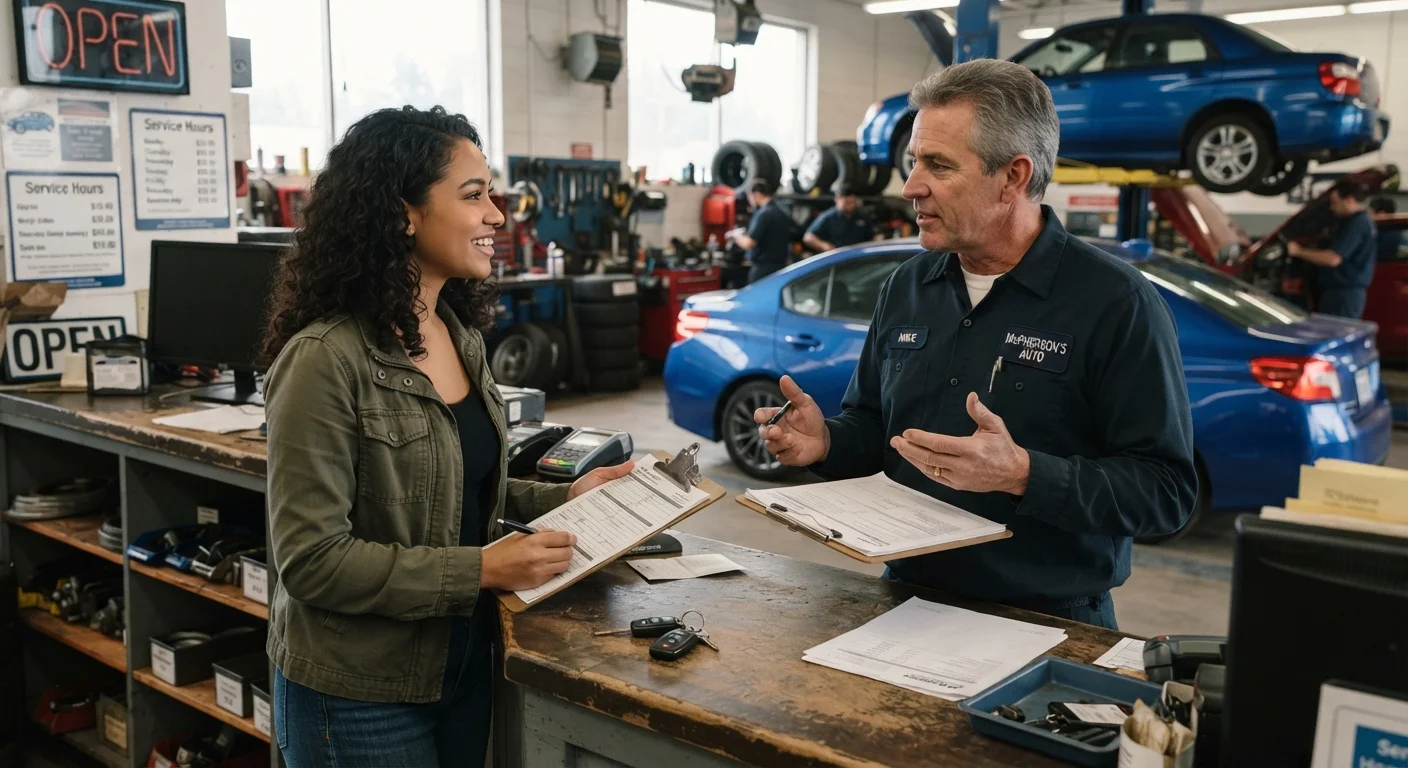
Photo: InsightsTurbo.com | Kickstart Your Knowledge Quest editorial
Key Takeaways
- Always describe symptoms clearly before a mechanic diagnoses your car - avoid self-diagnosing the cause.
- Request a written itemized quote before authorizing any repair work.
- Ask which repairs are urgent and which can wait, so you can prioritize costs.
- You have the right to decline work and retrieve your car before repairs begin.
- Getting a second opinion on large or unexpected repair bills is completely normal and advisable.
Why the Garage Can Feel Intimidating - and How to Change That
For most new drivers, a trip to the mechanic carries an underlying anxiety: you don't know enough to know whether what you're being told is accurate, which makes it easy to feel like you have no choice but to go along with whatever you're quoted. That feeling is common, but it's fixable.
The key shift is recognizing that you don't need to understand everything about how a car works - you just need to understand how to communicate clearly, read a quote, and ask the right questions. Mechanics are service providers, and like any service, you have the right to ask for explanations, request written documentation, and decline work you're not ready to authorize.
If you're still getting to grips with the wider responsibilities of ownership, the full new-owner walkthrough covers registration, insurance, and maintenance in one place. And if you want to reduce how often you need emergency garage visits, routine checks you can do yourself go a long way.
What you will need
What to Do at the Garage: Step by Step
Owner's Manual
Contains manufacturer-recommended service intervals and specifications the mechanic may need to reference.
Service History Records
Helps the mechanic understand what work has already been done and avoids duplicate charges.
Notepad or Phone
Use it to write down what the mechanic tells you and record the details of any quote provided.
Note the symptoms before you call
Before booking an appointment, spend a few minutes describing to yourself exactly what the car is doing. When does it happen - on cold starts, highway speeds, or when braking? Does it make a noise, and if so, what kind? Is a warning light on? The more precisely you can describe the behavior, the more useful your visit will be.
Avoid telling the garage what you think is wrong - focus on what you observe. "There's a grinding noise when I brake at low speeds" is more useful than "I think my brake pads are gone." Let the mechanic diagnose the cause.
Choose a garage and confirm their process
Independent garages and dealership service centers both have their place. Dealerships may be better equipped for complex diagnostics on your specific make, while independent shops often charge lower labor rates for routine work. Word-of-mouth recommendations and verified online reviews can help you narrow down options.
When you call, ask whether they charge a diagnostic fee and whether that fee is applied toward the repair cost if you proceed. Confirm that they will provide a written estimate before starting any work.
Drop the car off with clear instructions
When you arrive, describe your symptoms again clearly and ask the service advisor to note them on the work order. Make sure your contact number is correct on the form - the garage should call you with findings before beginning any repair.
Hand over only what's needed. There's no reason to leave your home address on a keyring or personal items visible in the car. Take your registration and insurance card with you unless specifically asked to leave them.
Evaluate the quote critically
When the garage calls with findings, ask for an itemized breakdown: parts cost and labor cost listed separately for each repair. Labor rates vary by region and shop type but are typically quoted per hour. Ask how many hours each job is estimated to take.
If something sounds unfamiliar, ask them to explain it in plain language. A reputable shop will not rush you or pressure you to approve everything immediately. For any significant repair, it's reasonable to ask for time to consider - or to get a second opinion from another garage before committing.
Approve only what you've decided on
You are not obligated to approve every item on a diagnostic report. Tell the garage which repairs you are authorizing and which you are declining for now. Ask the mechanic to flag any declined item that poses a safety risk - that information matters even if you're not fixing it today.
If you decide not to proceed at all, you may be charged a diagnostic fee (which you should have confirmed in step 2), but you can retrieve your car unrepaired.
Review the invoice before you pay
Before handing over payment, check that the invoice matches what was quoted and approved. Confirm that any replaced parts are listed by name, and ask whether the old parts can be shown to you - reputable shops are usually willing to do this for common items like brake pads or filters.
Keep your invoice. It's part of your service record and useful if a related issue arises later or if you sell the vehicle. If anything on the bill is unclear, ask for clarification before you pay - it's much harder to dispute a charge after the fact.
Never Authorize Work Without a Written Quote
Watch for Upselling on Non-Urgent Items
Keep a Simple Vehicle Log
One of the most common mistakes new owners make is approving repairs on the spot without understanding what they're paying for. Taking even five minutes to ask the right questions can make a meaningful difference to your bill - and your confidence for every visit after this one.
The content provided on our blog site traverses numerous categories, offering readers valuable and practical information. Readers can use the editorial team’s research and data to gain more insights into their topics of interest. However, they are requested not to treat the articles as conclusive. The website team cannot be held responsible for differences in data or inaccuracies found across other platforms. Please also note that the site might also miss out on various schemes and offers available that the readers may find more beneficial than the ones we cover.