
The Paperwork Every Car Owner Should Keep on File

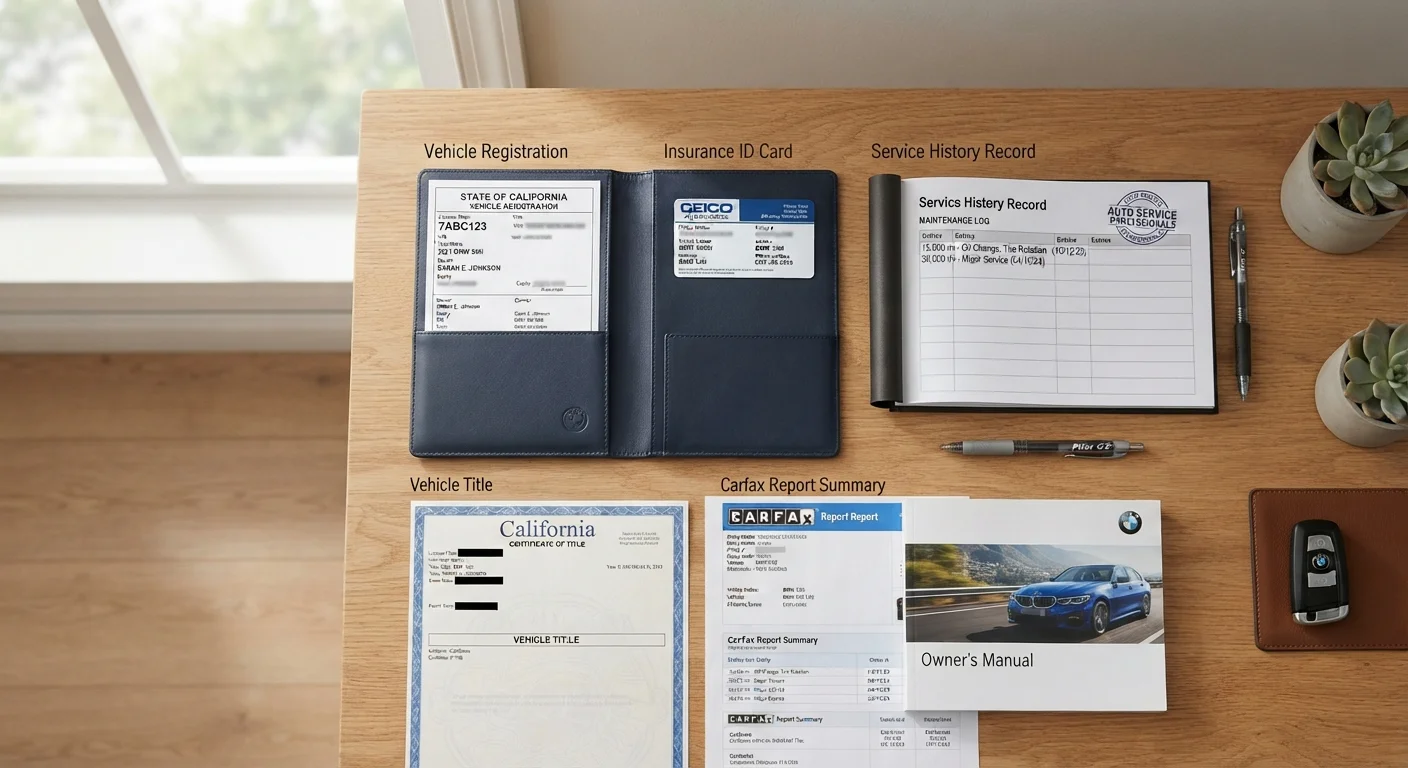
Photo: InsightsTurbo.com | Kickstart Your Knowledge Quest editorial
The Core Documents Every Owner Needs
Owning a car means managing a small but critical set of documents. Lose or neglect the wrong one, and you may face fines, delays, or complications at exactly the wrong moment - during a roadside stop, an accident claim, or a future sale. This reference covers what each document is, why it matters, and how to keep it accessible.
| V5C Issuing Authority | DVLA (Driver and Vehicle Licensing Agency) (UK government) |
| MOT Frequency | Annually, from the vehicle's third birthday (UK law) |
| Road Tax (VED) Format | Digital only - no physical disc since 2014 (DVLA, 2014) |
| Minimum Insurance Requirement | Third-party insurance (minimum legal requirement in UK) (Road Traffic Act 1988) |
| Safe Storage for V5C | At home - never leave it in the car (DVLA guidance) |
For a broader picture of responsibilities that come with a new vehicle, see what new car owners actually need to set up.
V5C Registration Certificate (Logbook)
The V5C - commonly called the logbook - is the official DVLA document identifying you as the registered keeper of the vehicle. It records the vehicle's make, model, engine size, VIN, and registration number. You'll need it to tax the vehicle, sell it, or make certain changes to its details. Keep the original in a secure location at home, not in the car itself - a stolen car with its V5C inside makes fraud significantly easier.
Insurance Certificate or Schedule
Driving without valid insurance is illegal in the UK. Your insurer must provide a certificate of insurance, and you should store both a printed copy at home and a digital copy accessible on your phone. The schedule - a longer document detailing your coverage levels, named drivers, and exclusions - is equally important to keep, especially if you ever need to make a claim.
MOT Certificate
Vehicles over three years old require an annual MOT (Ministry of Transport) test confirming they meet minimum roadworthiness standards. Your pass certificate should be filed with your other documents. While the DVLA holds a digital record, having the physical certificate is useful when selling the car, as it demonstrates a verifiable service history.
Supporting Records Worth Keeping
Service History and Receipts
A complete service history - whether a stamped booklet or digital record from a dealership - has real financial value. It reassures future buyers that the car has been maintained properly and can affect resale price significantly. Keep individual receipts for any work done outside a franchised garage, including invoices from independent mechanics, tyre replacements, and parts purchased. For guidance on what well-maintained records actually reveal, see what a used car's history records tell you.
V5C (Logbook)
The official DVLA document identifying the registered keeper of a vehicle. It is not proof of ownership but is required for taxing, selling, or making changes to a vehicle's record.
MOT Certificate
A certificate issued after a vehicle passes its annual Ministry of Transport roadworthiness test. Required for vehicles over three years old in the UK.
PCP (Personal Contract Purchase)
A type of car finance where you pay monthly instalments and then choose to make a final 'balloon' payment to own the car outright, return it, or part-exchange it.
VED (Vehicle Excise Duty)
The annual tax - commonly called road tax - that must be paid to legally use a vehicle on UK public roads. Managed and verified digitally by the DVLA.
Bill of Sale
A written document confirming a vehicle transaction between buyer and seller, recording the price, date, parties involved, and vehicle details.
VIN (Vehicle Identification Number)
A unique 17-character code assigned to every vehicle, used to identify it for registration, insurance, service records, and history checks.
Finance Agreement (If Applicable)
If you purchased the car on a Personal Contract Purchase (PCP) or Hire Purchase (HP) agreement, keep a copy of the full finance contract. This document outlines your payment schedule, the optional final payment, and any conditions attached to the vehicle's use or modifications. It also confirms whether outstanding finance exists - which matters both to you and any future buyer.
Purchase Receipt or Bill of Sale
Whether you bought privately or from a dealer, retain written proof of the transaction. A receipt or bill of sale should confirm the purchase price, date, seller details, and VIN or registration number. This is particularly important for private sales, where it establishes a clear transfer of ownership and can protect you if a dispute arises later.
Road Tax Confirmation
Vehicle Excise Duty (VED), commonly called road tax, is now entirely digital in the UK - there is no physical disc to display. However, keeping a printed or saved copy of your payment confirmation is a simple precaution. You can also check your tax status at any time via the government's official vehicle enquiry service. For help understanding the registration side of this process, see what to expect when registering a car for the first time.
Where to Store Everything
A dedicated folder kept at home works for physical documents. For digital copies, a password-protected cloud folder or secure storage app means key documents are accessible wherever you are - useful if your wallet or bag is lost. Never leave your V5C or insurance documents permanently in the vehicle; carry only what you may realistically need at a traffic stop, such as a photo of your insurance certificate on your phone.
The content provided on our blog site traverses numerous categories, offering readers valuable and practical information. Readers can use the editorial team’s research and data to gain more insights into their topics of interest. However, they are requested not to treat the articles as conclusive. The website team cannot be held responsible for differences in data or inaccuracies found across other platforms. Please also note that the site might also miss out on various schemes and offers available that the readers may find more beneficial than the ones we cover.