
Reading a Used Car's History: What the Records Tell You

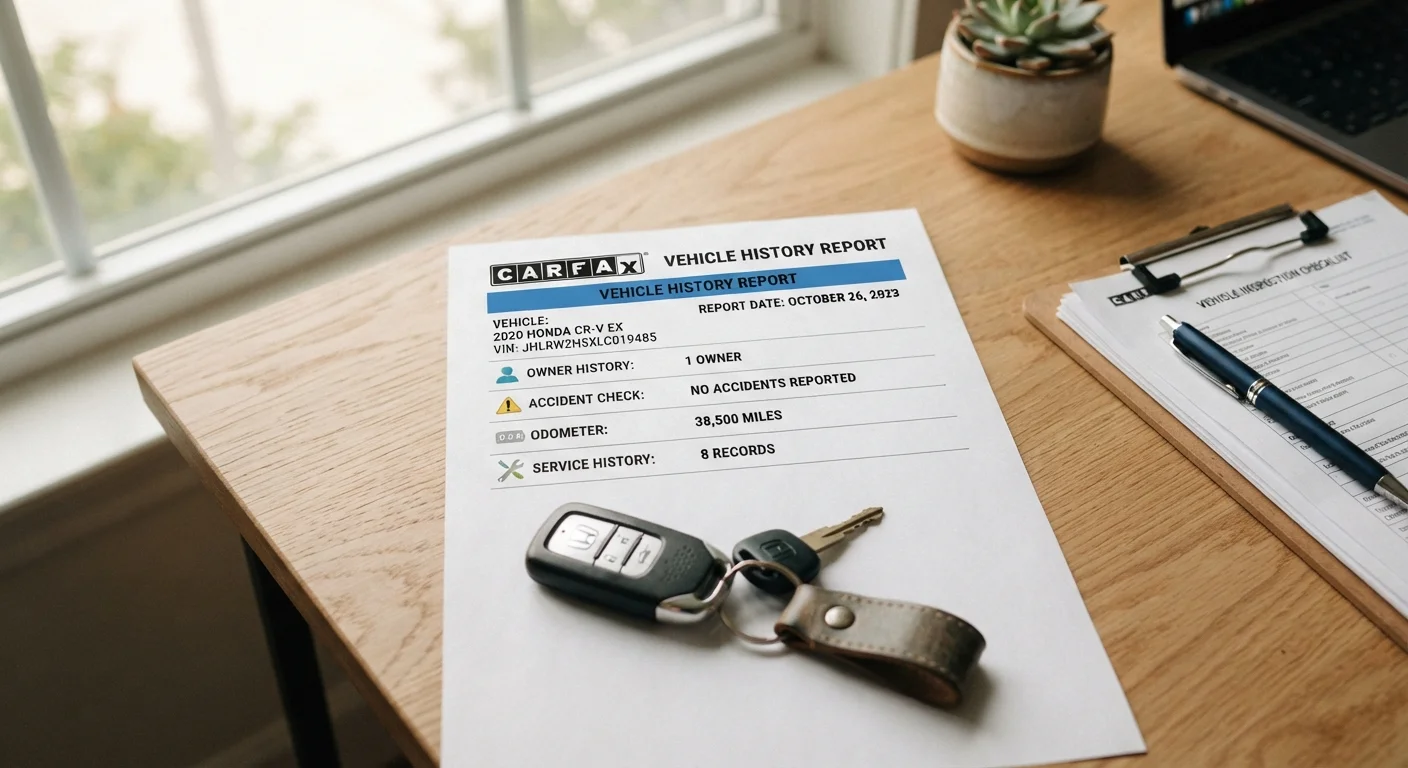
Photo: InsightsTurbo.com | Kickstart Your Knowledge Quest editorial
Key Takeaways
- A vehicle history report combines data from multiple sources - no single report is 100% complete.
- Title brands like 'salvage' or 'flood' are the most consequential red flags in any report.
- Odometer discrepancies between report entries can indicate tampering and warrant walking away.
- Accident history matters most when structural or airbag repairs are listed - not minor fender benders.
- Multiple short-term ownership changes can signal a recurring problem previous owners couldn't resolve.
- A clean history report is a starting point, not a guarantee - always pair it with a professional inspection.
Why Vehicle History Reports Matter More Than You Think
A used car can look immaculate on the outside and still carry a complicated past. Cosmetic refurbishment - fresh detailing, a new coat of paint, replaced trim pieces - tells you almost nothing about what the car has been through. A vehicle history report fills in that gap by pulling data from sources the seller cannot control: state DMV records, insurance carrier claims, auction inspection logs, and federal odometer disclosure filings.
Understanding how to read that report is the skill most first-time buyers skip. They either ignore the report entirely, or they glance at it and feel reassured by the absence of obvious red flags without knowing what they're actually looking for. This guide walks you through each major section of a typical report so you can interpret it with confidence.
No Report Captures Every Incident
If you're still deciding whether a used car is right for you at all, our new vs. used car breakdown covers the core trade-offs honestly.
What the Report Cannot Tell You - and What Comes Next
Even after you've worked through every section of a history report methodically, you'll have a clearer picture - not a complete one. Private-party accidents that went unreported, oil changes done at home, minor damage repaired without filing an insurance claim: none of these will appear. The report reflects what was officially documented, not everything that happened.
That's why a history report works best as a filter, not a final verdict. Use it to eliminate clear problems - branded titles, odometer discrepancies, severe structural accidents - and to inform the questions you ask the seller. Then validate the remaining picture with a pre-purchase inspection from an independent mechanic who can physically assess what the records don't show.
Once you've completed your due diligence and moved forward with a purchase, you'll want to understand what ownership actually requires from day one. Our guide to first-year car ownership covers the responsibilities and costs that often catch new buyers off guard. And for a practical checklist of the documents you'll need to keep on file going forward, see the paperwork every car owner should keep on file.
Title Brands Can Follow a Vehicle Forever
The content provided on our blog site traverses numerous categories, offering readers valuable and practical information. Readers can use the editorial team’s research and data to gain more insights into their topics of interest. However, they are requested not to treat the articles as conclusive. The website team cannot be held responsible for differences in data or inaccuracies found across other platforms. Please also note that the site might also miss out on various schemes and offers available that the readers may find more beneficial than the ones we cover.