
What to Do After a Road Collision: Steps, Responsibilities, and Staying Calm

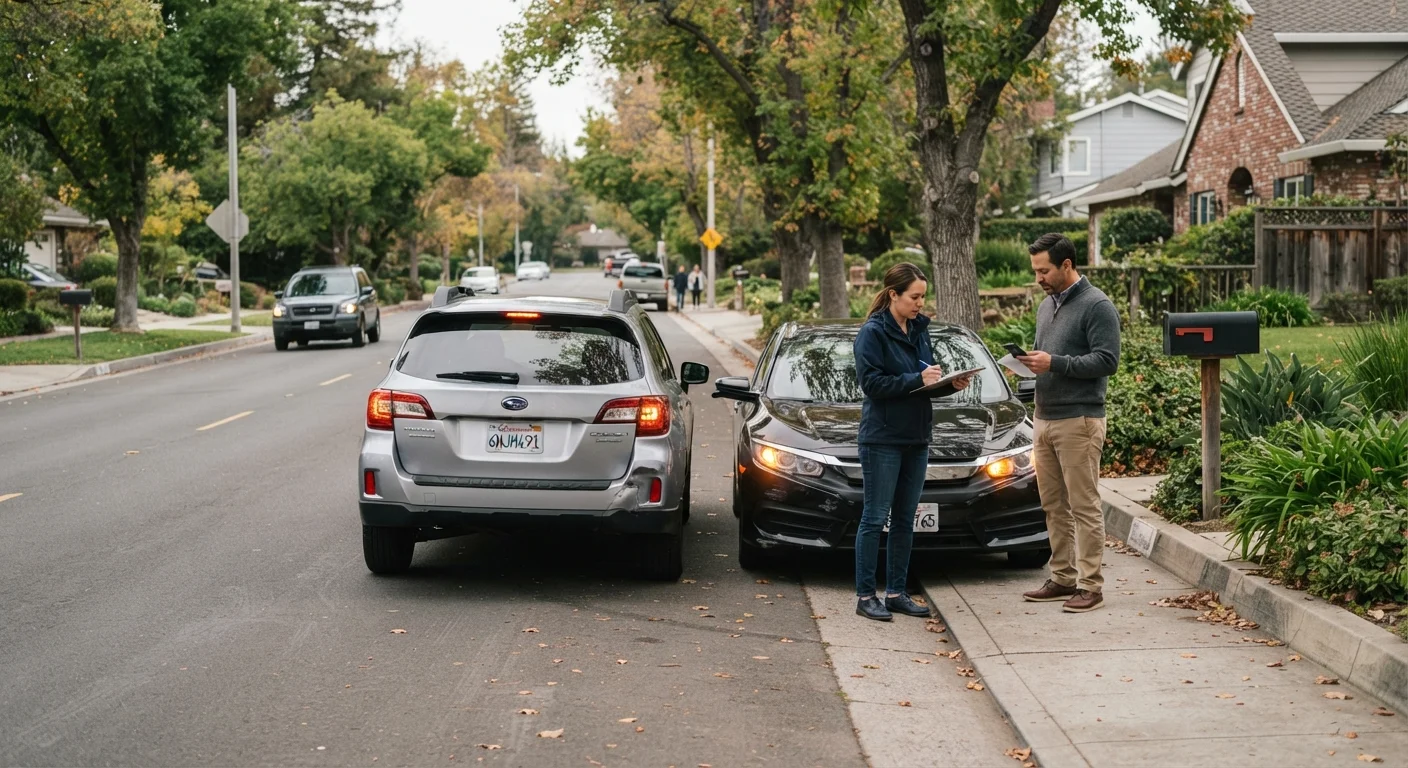
Photo: InsightsTurbo.com | Kickstart Your Knowledge Quest editorial
Key Takeaways
- Move to safety and turn on hazard lights before anything else.
- Call 911 if anyone is injured - never assume injuries are minor.
- You are legally required to exchange insurance and contact information with other drivers.
- Document the scene with photos before vehicles are moved when it is safe to do so.
- Notify your insurer promptly, even if you were not at fault.
- Staying calm protects you legally and helps everyone involved.
Why the First Few Minutes Matter Most
A road collision - even a low-speed fender-bender - triggers a sudden rush of stress hormones that can cloud your judgment. Having a clear mental checklist ahead of time is what keeps you functional when emotions are running high. New drivers in particular benefit from thinking through these scenarios before they happen, not during them.
Beyond personal safety, your actions in the immediate aftermath carry real legal weight. Failing to stop, neglecting to exchange information, or leaving the scene prematurely can escalate a civil matter into a criminal one. Understanding your responsibilities protects you, the other parties, and any future insurance claim.
If you want to build the broader habits that reduce your collision risk in the first place, our complete roadmap for new drivers covers everything from hazard perception to motorway merging.
Prepare a Collision Kit Before You Need It
What to Do - Step by Step
Follow these steps in order. Each one addresses a specific obligation and helps you move from shock to action.
What you will need
Smartphone or camera
Photograph vehicle damage, license plates, road conditions, and the overall scene for your insurance claim.
Pen and notepad
Record the other driver's name, contact details, license plate, insurer, and policy number.
Insurance card
Required to share your policy information with the other driver and any responding officers.
Warning triangles or road flares
Alert approaching traffic to the stopped vehicles, especially on highways or in low-visibility conditions.
First aid kit
Provide basic assistance for minor injuries while waiting for emergency services.
Stop and secure the scene
Pull your vehicle as far off the active road as safely possible - onto a shoulder, parking lot, or side street. Turn on your hazard lights immediately. If you have warning triangles or flares, place them behind the vehicles to alert oncoming traffic. Never stand between stopped vehicles or in a live traffic lane.
Check for injuries and call 911
Before anything else, ask yourself and any passengers: is anyone hurt? Check on the other vehicle's occupants as well, from a safe distance. If there is any sign of injury - or if you are unsure - call 911 immediately. Do not attempt to move an injured person unless they are in immediate danger from fire or traffic.
Exchange information with the other driver
Once it is safe, exchange the following with every driver involved:
- Full name and contact number
- Driver's license number and issuing state
- License plate number
- Insurance company name and policy number
- Vehicle make, model, and color
If there are witnesses, ask for their contact details too - their account may help clarify what happened.
Document the scene thoroughly
Use your phone to photograph everything relevant: all vehicles involved, visible damage from multiple angles, skid marks, road signs, traffic signals, weather conditions, and the wider intersection or road layout. These images can be critical when your insurer or an attorney reviews the claim.
File a police report
In many states, you are legally required to file a police report when a collision results in injury, death, or property damage above a certain threshold - often as low as $500 to $1,000. Even when not mandatory, a report creates an impartial third-party record. Ask the responding officer for the report number so you can follow up later. If police did not respond to the scene, visit your local precinct or your state's DMV website to file a report directly.
Notify your insurance company
Contact your insurer as soon as possible - ideally the same day. Most policies require prompt notification of any collision, regardless of fault. Provide the facts: what happened, when, where, and who was involved. Avoid speculating about fault or minimizing damage. Your insurer will assign a claims adjuster to guide the next steps.
Never Admit Fault at the Scene
Do Not Leave the Scene
After the Immediate Crisis: What Comes Next
Once the scene is handled and you are in a safe location, take a moment to decompress before driving again if you feel shaken. Adrenaline takes time to clear, and impaired focus after a stressful event is a real hazard.
Keep a copy of everything: the police report number, the photos, the other driver's information, and a written account of what happened while your memory is fresh. Your written notes - including the time, road conditions, and sequence of events - can be valuable if a dispute arises weeks later.
If the collision involved adverse weather, revisit your habits behind the wheel in those conditions. Our guide on driving safely in rain, fog, and ice walks through the adjustments that make the biggest difference. And if the crash involved a junction or right-of-way confusion, understanding junction rules is worth a read.
Finally, use this experience to examine the habits that may have contributed - speed, following distance, distraction. Our article on risky driving habits identifies the behaviors that cause the most crashes and how to address them.
This article provides general information about post-collision procedures in the US and is not legal or insurance advice. Regulations vary by state - consult your state's DMV, a licensed attorney, or your insurance provider for guidance specific to your situation.
The content provided on our blog site traverses numerous categories, offering readers valuable and practical information. Readers can use the editorial team’s research and data to gain more insights into their topics of interest. However, they are requested not to treat the articles as conclusive. The website team cannot be held responsible for differences in data or inaccuracies found across other platforms. Please also note that the site might also miss out on various schemes and offers available that the readers may find more beneficial than the ones we cover.