
Low-Impact Exercise: A Reference Guide to Gentle Movement Options

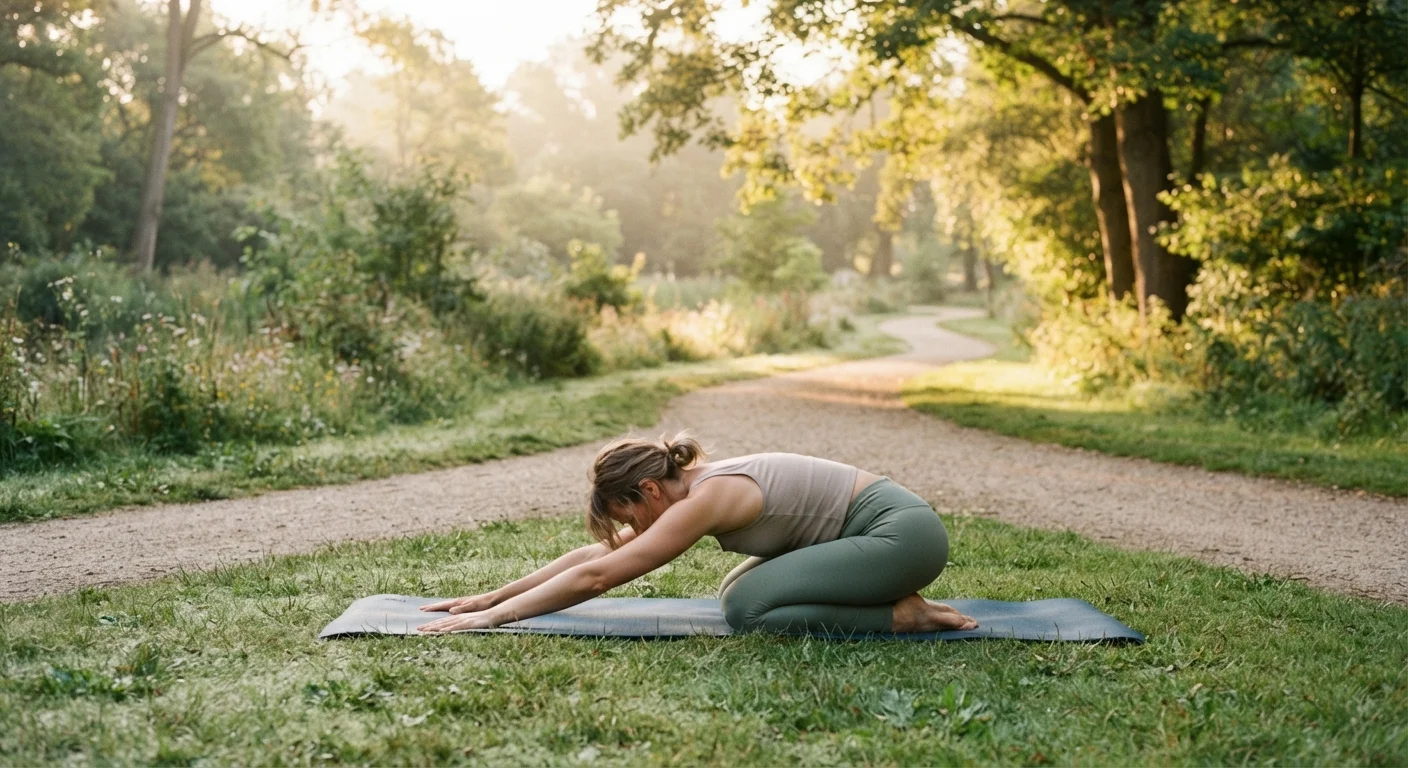
Photo: InsightsTurbo.com | Kickstart Your Knowledge Quest editorial
What Makes an Exercise 'Low-Impact'?
Low-impact exercise refers to movement that keeps at least one foot on the ground at all times - or removes body weight from joints entirely, as in swimming. The key characteristic is reduced ground reaction force: the force your body absorbs with each step or landing. High-impact activities like running or jumping generate significant joint stress, which is valuable for bone density but harder on cartilage and connective tissue.
Low-impact does not mean low-effort. Cycling, for example, can be aerobically demanding while placing minimal stress on ankles and knees. This distinction matters: beginners and returning exercisers often assume they must choose between effective and safe. They don't.
Low-impact exercise
Physical activity that minimises the force exerted on joints during movement, typically by keeping one foot grounded at all times or removing body weight through water buoyancy. It contrasts with high-impact exercise, which involves jumping or both feet leaving the ground simultaneously.
Ground reaction force
The force the ground exerts back on the body in response to the force applied during movement. High ground reaction forces - as in running or jumping - increase stress on joints, bones, and soft tissue.
Aerobic exercise
Sustained physical activity that raises heart rate and relies on oxygen to produce energy. Walking, cycling, and swimming are all examples of aerobic exercise that can also be low-impact.
Range of motion
The full movement potential of a joint - how far it can flex, extend, or rotate without pain or restriction. Yoga and tai chi are commonly used to maintain or improve range of motion over time.
If you're returning to movement after a gap, see our guide to starting exercise after a long break for realistic progressions.
A Quick-Reference Look at Common Low-Impact Activities
Use the fact card below to orient yourself, then read through the activity descriptions to find what suits your situation.
| Joint stress level | Significantly lower than high-impact activities (General exercise science consensus) |
| Suitable for beginners | Yes - most options require no prior fitness |
| Equipment typically needed | Varies: none (walking, yoga) to basic gear (bike, pool access) |
| Can build cardiovascular fitness | Yes - intensity is adjustable across all options |
| Recommended for joint conditions | Often, but verify with a healthcare professional (Consult a qualified professional for personal guidance) |
| Activity categories covered | Walking, swimming, cycling, yoga, Pilates, elliptical, tai chi |
Walking
The most accessible option available. Walking on flat terrain is genuinely low-impact, requires no equipment beyond supportive footwear, and is sustainable across decades. Pace, incline, and duration are all easy to control. For a detailed comparison of walking versus running for different goals, see Walking vs. Running: Which One Belongs in Your Routine?.
Swimming and Water Exercise
Water buoyancy reduces effective body weight by up to 90%, making aquatic exercise particularly useful for people with arthritis, joint pain, or recovering from injury. Pool walking, lap swimming, and water aerobics all qualify. The resistance of water also adds cardiovascular and muscular challenge without joint loading.
Cycling (Stationary or Outdoor)
Seated cycling bypasses most impact entirely. Stationary bikes allow precise resistance control, while outdoor cycling adds balance and terrain variability. Both build cardiovascular fitness and lower-body strength efficiently. Proper seat height matters - too low a seat increases knee strain.
Yoga and Pilates
Both focus on controlled movement, flexibility, and body awareness. Yoga ranges from restorative (extremely gentle) to vigorous (power yoga), so the style matters. Pilates emphasises core stability and is commonly used in rehabilitation settings. Neither requires prior fitness and both adapt well to different ability levels. See a breakdown of group class formats if you're considering joining a studio.
Elliptical Training
The elliptical mimics a running stride without the foot leaving the pedal - eliminating the landing impact. It's a common gym alternative for those who find treadmill running uncomfortable. Resistance and incline can be adjusted to increase intensity gradually.
Tai Chi
A slow, flowing movement practice rooted in Chinese martial arts tradition. Research published in health and aging literature consistently associates regular tai chi practice with improved balance, reduced fall risk in older adults, and lower reported stress. It requires no equipment and can be practiced indoors.
Choosing What Fits Your Life
The most effective low-impact activity is the one you'll actually do consistently. Research on exercise adherence points to enjoyment, convenience, and social connection as stronger predictors of long-term habit than intensity or structure. See what behavioural science says about movement habits that stick for the evidence behind this.
Start Small - Consistency Beats Duration
It's also worth remembering that structured exercise isn't the only way to move. Everyday incidental movement - walking to errands, taking stairs, gardening - accumulates meaningful health benefits alongside any formal routine you build.
This article is for general informational purposes only and is not a substitute for personalised medical or fitness advice. If you have an existing health condition, injury, or are unsure which activities are appropriate for you, consult a qualified healthcare professional before starting a new exercise routine.
The content provided on our blog site traverses numerous categories, offering readers valuable and practical information. Readers can use the editorial team’s research and data to gain more insights into their topics of interest. However, they are requested not to treat the articles as conclusive. The website team cannot be held responsible for differences in data or inaccuracies found across other platforms. Please also note that the site might also miss out on various schemes and offers available that the readers may find more beneficial than the ones we cover.