
Types of Group Exercise Classes and What to Expect from Each

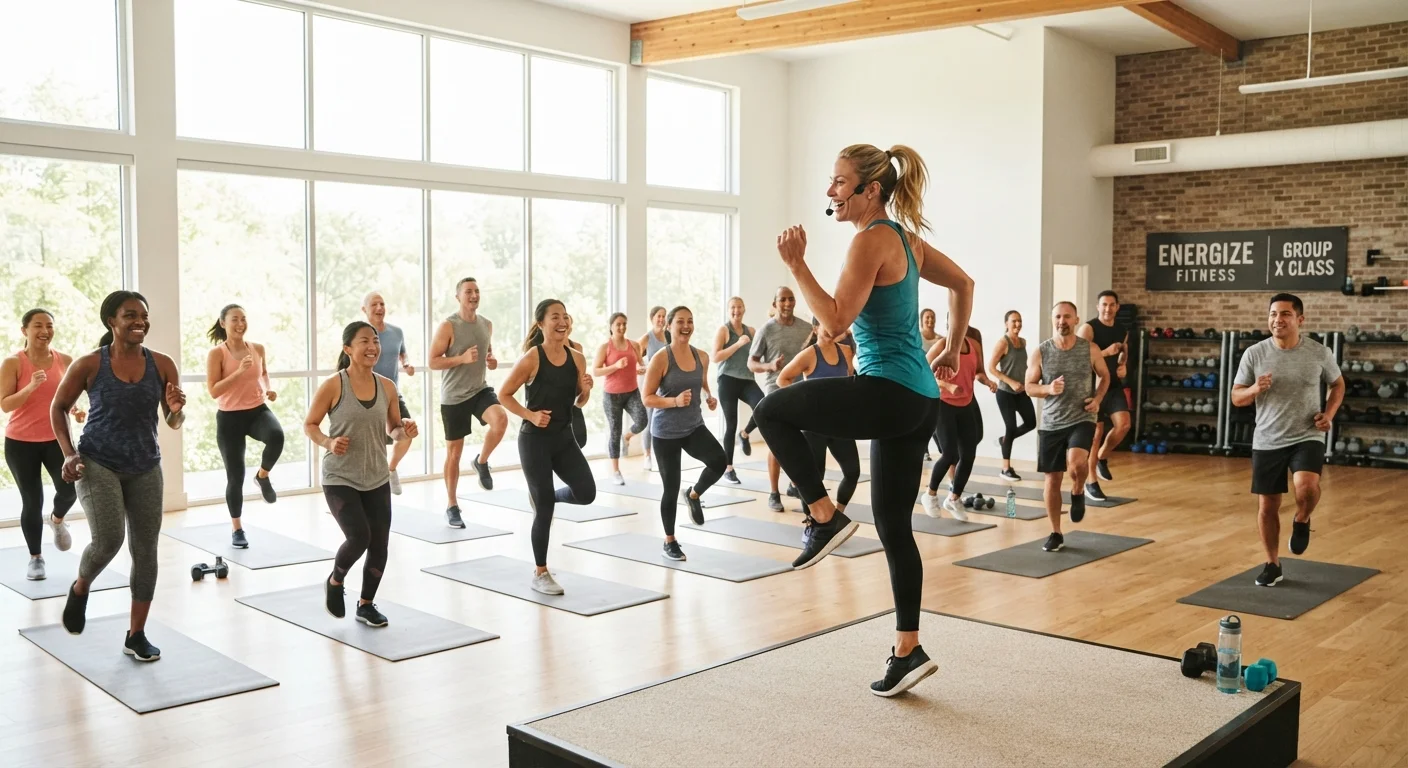
Photo: InsightsTurbo.com | Kickstart Your Knowledge Quest editorial
Key Takeaways
- Group fitness classes span a wide range of intensities, from gentle yoga to high-impact HIIT - there's a format for every starting point.
- Most classes welcome beginners; instructors can typically offer modifications to match your current fitness level.
- Knowing what to expect from each format before you show up removes a major barrier to getting started.
- Trying a few different class types helps you find what you'll actually stick with long-term.
- Always let your instructor know about injuries or limitations before class begins.
Why Group Classes Can Help You Build a Movement Habit
Walking into a gym alone and figuring out what to do is one of the most common reasons people stall before they even start. Group exercise classes solve that problem by giving you a clear structure, a qualified instructor, and a room full of people working toward the same goal. The social element isn't incidental - research consistently links social accountability to greater exercise adherence.
If you're new to regular movement, it helps to understand what each class format actually involves before committing. Some formats are genuinely beginner-friendly; others require a base level of fitness or coordination. This guide breaks down the most common types so you can choose with confidence rather than anxiety. If you're returning after a long gap, our guide to starting exercise after a long break covers how to ease back in safely.
Cycling / Spin Classes
Stationary cycling classes - commonly called spin - involve riding a fixed indoor bike through a series of intervals led by an instructor. Resistance, cadence, and standing positions vary throughout the session, making the intensity highly adjustable.
What to expect: Loud music, a darkened room in many studios, and a high-energy atmosphere. Sessions typically run 45-60 minutes. Because resistance is self-controlled, beginners can dial back the effort without anyone noticing.
Good for: Cardiovascular fitness, lower-body conditioning, and people who want an intense workout with low joint impact.
Beginner note: Arrive early to get a proper bike fit from the instructor - seat and handlebar height matter for both comfort and injury prevention.
Resistance is self-controlled, so beginners can dial back the effort without anyone noticing.
HIIT (High-Intensity Interval Training)
HIIT classes alternate short bursts of intense effort with brief recovery periods. Exercises typically include bodyweight movements - jumping jacks, burpees, squat jumps - sometimes combined with light weights or resistance bands.
What to expect: A fast-paced session of 30-45 minutes that alternates work-and-rest periods. Heart rate spikes quickly and stays elevated for much of the class.
Good for: Cardiovascular endurance, calorie expenditure, and time-efficient training.
Beginner note: HIIT is genuinely demanding. Most classes offer low-impact modifications (step touches instead of jumps, for example). Take these options without hesitation - they still provide an effective workout. Don't feel pressured to match the pace of more experienced participants.
Low-impact modifications make HIIT accessible - step touches instead of jumps still provide an effective workout.
Yoga
Yoga classes come in many styles - Hatha (slower, foundational postures), Vinyasa (flowing sequences linked to breath), Yin (long-held passive stretches), and Restorative (deeply relaxing, prop-supported holds). Each has a distinct pace and purpose.
What to expect: A quieter, more mindful environment than most other class formats. Sessions run 60-90 minutes and emphasise breathing, body awareness, and flexibility alongside strength.
Good for: Flexibility, stress management, core stability, and mind-body connection.
Beginner note: Look specifically for beginner or "all levels" classes. Props like blocks and straps are provided and encouraged - using them is a sign of good practice, not weakness.
Using props like blocks and straps is a sign of good practice in yoga, not a sign of weakness.
Pilates
Pilates focuses on controlled, precise movements that build core strength, spinal stability, and postural alignment. Classes are either mat-based or use a spring-resistance machine called a reformer.
What to expect: A slower-paced but challenging class. Movements may look simple but require concentration and muscular control. Mat Pilates is more accessible as a starting point; reformer classes typically require a brief introductory session first.
Good for: Core strength, injury rehabilitation support, posture improvement, and low-impact toning.
Beginner note: Pilates is widely recommended for people managing back discomfort or returning from injury - but always check with a healthcare professional first if you have an existing condition.
Pilates movements may look simple but require concentration and muscular control that builds over time.
Barre
Barre draws from ballet, Pilates, and yoga. Classes use a ballet barre (or a chair) for balance support while performing small, isometric movements targeting the legs, glutes, and core.
What to expect: Low-impact, high-repetition work that creates muscular fatigue without jumping or heavy weights. Sessions are typically 60 minutes and set to upbeat music.
Good for: Lower-body strength, balance, coordination, and flexibility - particularly accessible for those who prefer a gentler pace.
Beginner note: No dance experience is required. The movements are simple and highly repetitive by design, making them easy to follow even in your first class.
No dance experience required - barre movements are simple and repetitive by design from the very first class.
Strength-Based Group Classes (e.g., Bootcamp, Barbell Classes)
These classes use free weights, barbells, resistance bands, or bodyweight exercises structured around compound movements like squats, deadlifts, lunges, and presses. They're designed to build muscular strength and endurance.
What to expect: A mix of upper-body, lower-body, and full-body tracks set to music. Instructors guide form cues throughout. Load is self-selected, so participants choose weights appropriate to their level.
Good for: Building functional strength, improving bone density, and learning foundational movement patterns in a coached setting.
Beginner note: Start lighter than you think you need to. Good form under lighter load is far more valuable than heavy weight with poor technique. If you want context on how this compares to solo training, see our piece on bodyweight training vs. gym machines.
Good form under lighter load is far more valuable than heavy weight with poor technique - always start conservative.
Finding Your Starting Point
There's no universally correct first class. The best format is the one you'll actually attend consistently. If you're unsure where your baseline fitness sits, a readiness checklist can help you assess your starting point before booking your first session.
Try Before You Commit
It's also worth thinking about balance across movement types. Many beginners gravitate toward one style - all cardio, or all yoga - without realising the benefits of mixing formats. Our overview of cardio, strength, and flexibility explains why variety matters. And if high-impact classes aren't right for you at this stage, low-impact options like water aerobics or gentle cycling may be a better fit.
This article is for general informational purposes only and is not a substitute for professional medical advice. If you have any health conditions, injuries, or concerns, consult a qualified healthcare provider before beginning a new exercise program.
The content provided on our blog site traverses numerous categories, offering readers valuable and practical information. Readers can use the editorial team’s research and data to gain more insights into their topics of interest. However, they are requested not to treat the articles as conclusive. The website team cannot be held responsible for differences in data or inaccuracies found across other platforms. Please also note that the site might also miss out on various schemes and offers available that the readers may find more beneficial than the ones we cover.