
Nutrition Fundamentals: A Starting Point for Eating Better in Your 20s

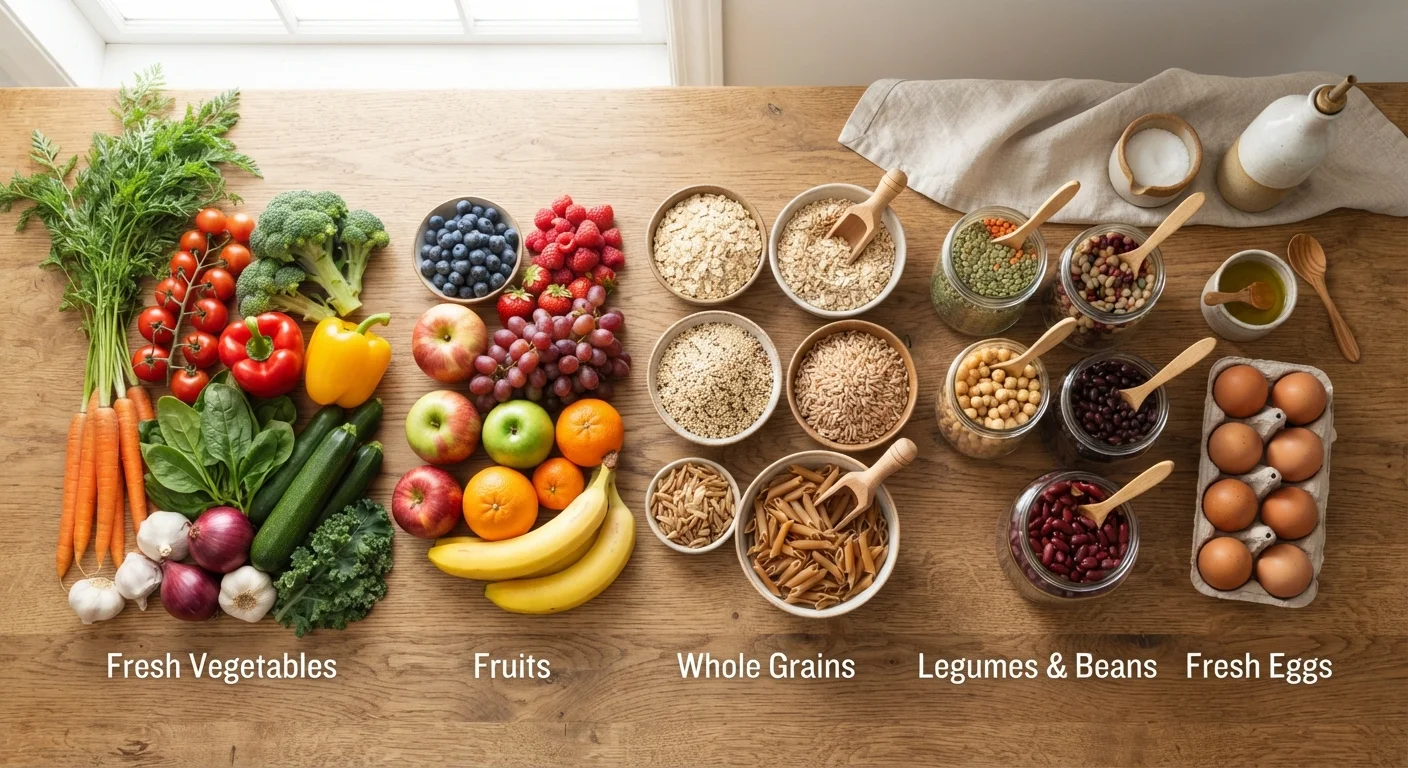
Photo: InsightsTurbo.com | Kickstart Your Knowledge Quest editorial
Key Takeaways
- Carbohydrates, protein, and fat each play distinct roles - no macronutrient is inherently harmful.
- Micronutrients like vitamins and minerals support critical functions including bone health and energy metabolism.
- Dietary variety is one of the most effective strategies for covering nutritional needs without strict tracking.
- Adding nutritious foods tends to work better than restriction as a sustainable starting point.
- Label-reading skills and self-assessment tools help translate nutrition knowledge into real food decisions.
Why Nutrition Feels Overwhelming in Your 20s
Your 20s often bring the first real experience of feeding yourself entirely on your own terms - no school cafeteria, no family dinner schedule. That freedom is exciting and, honestly, a little overwhelming. Nutrition headlines contradict each other constantly, and it can feel hard to know who or what to trust. Rather than add to that noise, this guide cuts to the core: the fundamental concepts that underpin almost every credible dietary recommendation. Start here, and most nutritional advice you encounter will begin to make sense.
Macronutrients: The Three Fuel Sources
Every food you eat contains some combination of three macronutrients - nutrients your body needs in relatively large quantities each day:
- Carbohydrates are your body's preferred energy source, found in grains, fruits, vegetables, legumes, and dairy. Whole, fiber-rich sources digest more slowly and offer more sustained energy than refined alternatives.
- Protein is essential for building and repairing tissue, supporting immune function, and producing enzymes. Sources include meat, fish, eggs, dairy, beans, lentils, and tofu.
- Fats are critical for absorbing fat-soluble vitamins (A, D, E, and K), supporting brain function, and regulating hormones. Unsaturated fats - found in nuts, seeds, avocados, and oily fish - are generally considered beneficial as part of a balanced diet.
No macronutrient is inherently harmful. Overall dietary pattern and food quality matter more than any single ingredient.
Macronutrients
The three main categories of nutrients the body needs in larger amounts: carbohydrates, proteins, and fats. Each plays a distinct role in fueling and maintaining the body.
Micronutrients
Vitamins and minerals required in smaller quantities than macronutrients, but essential for processes like immune function, energy metabolism, and bone development.
Whole foods
Foods that are minimally processed and close to their natural state, such as vegetables, fruits, whole grains, and legumes.
Dietary fiber
A type of carbohydrate found in plant foods that the body cannot fully digest. It supports digestive health, feelings of fullness, and stable blood sugar levels.
Fat-soluble vitamins
Vitamins A, D, E, and K, which require dietary fat for absorption and are stored in body tissue rather than excreted daily like water-soluble vitamins.
Micronutrients: Small Doses, Significant Roles
Vitamins and minerals - collectively called micronutrients - are needed in smaller amounts than macronutrients, but their roles are far from minor. Iron helps carry oxygen through the bloodstream. Calcium and vitamin D support bone density, which continues developing into the mid-20s. B vitamins play a central role in converting food into usable energy.
Micronutrient gaps are common in the 20s, often because eating patterns narrow under time and budget pressure. Dietary variety is one of the most practical safeguards: rotating across vegetables, fruits, whole grains, lean proteins, and dairy or dairy alternatives covers a wide nutritional range without requiring strict tracking. To explore one commonly overlooked area, see our guide to fibre intake for young adults.
Nutritional Needs Vary by Individual
Building Better Habits, Starting Now
Nutrition knowledge becomes useful when it's translated into everyday choices. Here are grounded starting points:
- Think in food groups, not perfection. Aim to include a range of food groups across your day - vegetables, whole grains, protein sources, and healthy fats - rather than optimizing each individual meal.
- Add before you subtract. Increasing nutritious foods naturally fills your plate without the psychological friction of restriction.
- Hydrate intentionally. Water is a nutrient. Adequate daily fluid intake - primarily from water and unsweetened beverages - supports virtually every bodily function.
Try the Add-First Approach
Avoid Cutting Entire Food Groups Unnecessarily
Use our practical eating habits checklist to spot gaps in your routine. When you're ready to read food labels confidently, our nutrition label guide walks through every number in plain language. Nutrition is also just one piece of the picture - our personal development starter framework pairs well if you're working on broader healthy habits at the same time.
MyPlate (USDA)
The USDA's MyPlate resource provides a visual framework for building balanced meals, with breakdowns by food group and guidance for different life stages.
Dietary Guidelines for Americans
The joint USDA and HHS publication that forms the evidence base for federal nutrition recommendations - useful for understanding the research behind common dietary guidance.
This article is for general informational purposes only and does not constitute medical or dietary advice. For guidance tailored to your individual health needs, consult a registered dietitian or qualified healthcare provider.
Frequently Asked Questions
The content provided on our blog site traverses numerous categories, offering readers valuable and practical information. Readers can use the editorial team’s research and data to gain more insights into their topics of interest. However, they are requested not to treat the articles as conclusive. The website team cannot be held responsible for differences in data or inaccuracies found across other platforms. Please also note that the site might also miss out on various schemes and offers available that the readers may find more beneficial than the ones we cover.