
Reading a Nutrition Label Without Getting Lost in the Numbers

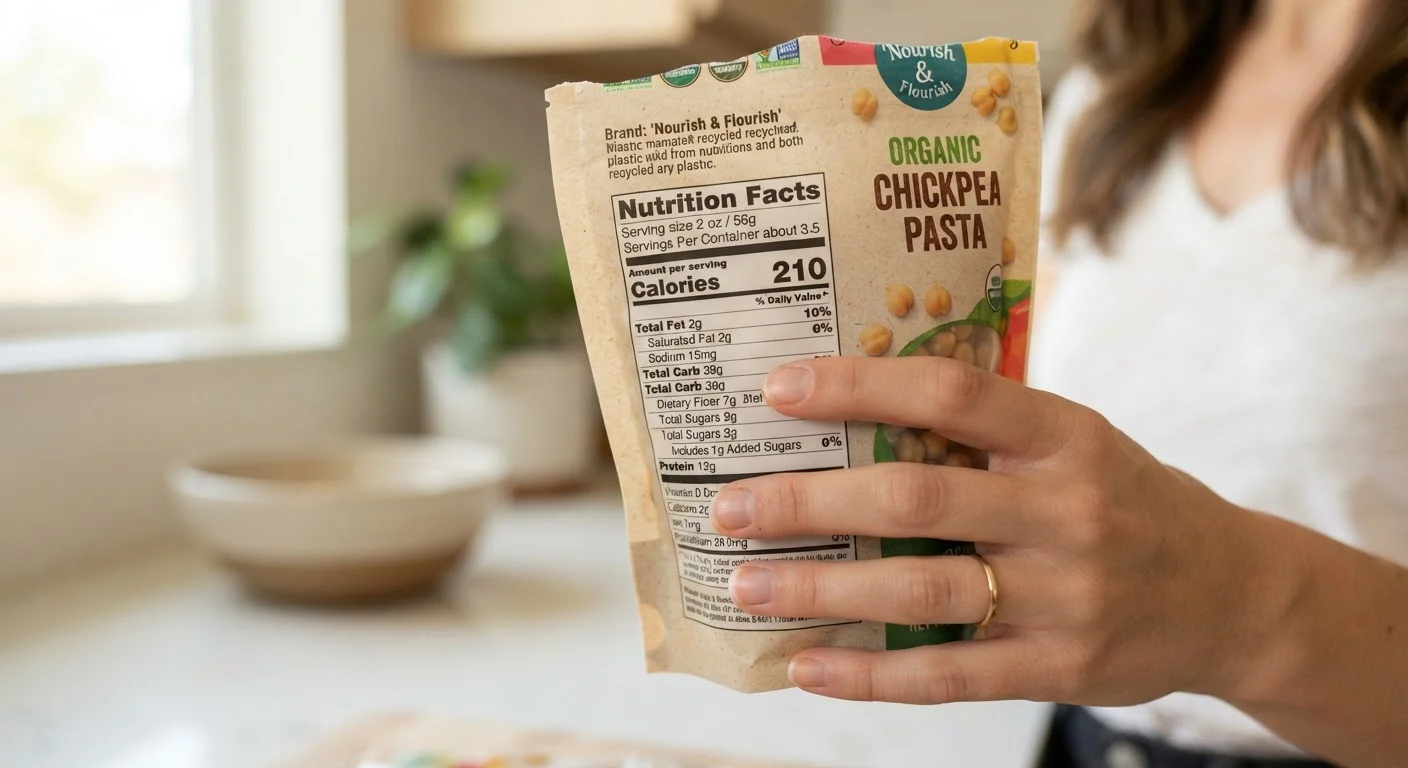
Photo: InsightsTurbo.com | Kickstart Your Knowledge Quest editorial
Key Takeaways
- Serving size is the foundation of every number on the label - always check it first.
- The % Daily Value column tells you whether a nutrient amount is high or low at a glance.
- Ingredients are listed by weight, so what appears first dominates the food.
- Added sugars, sodium, and saturated fat deserve extra attention when scanning labels.
- Nutrition labels are a tool for informed choices, not a framework for dietary perfection.
Why the Nutrition Label Exists - and What It Can Actually Tell You
The Nutrition Facts label is a federally standardized panel required on most packaged foods sold in the United States. It was designed to give consumers a consistent, comparable snapshot of what they're eating - without requiring a degree in dietetics to interpret it.
That said, many people glance at the calorie count and move on, missing the more nuanced information the label contains. Learning to read the full panel takes only a few minutes of practice, and it pays off every time you grocery shop. It complements broader habits too - see our practical checklist for evaluating your eating habits for a wider self-assessment.
Before diving into the steps, it helps to understand that the label is built around a single reference point: the serving size. Every number you see - calories, grams of fat, milligrams of sodium - applies to that one serving, not the whole package. That distinction alone changes how most people read labels.
Labels Inform - They Don't Diagnose
How to Read a Nutrition Label Step by Step
Work through a real label as you follow these steps. You'll find the process becomes second nature quickly.
What you will need
Packaged food with Nutrition Facts label
Provides a real label to apply each step to as you practice.
USDA FoodData Central (online database)
Lets you look up nutrient information for foods that may not carry a standard label.
Start with the serving size - always
Locate the Serving Size at the very top of the Nutrition Facts panel, just below the bold 'Nutrition Facts' header. It's listed in a common household measure (e.g., '2/3 cup') followed by a gram weight in parentheses.
Then check the Servings Per Container line directly beneath it. If a package contains three servings and you eat the whole thing, every number on the label needs to be tripled. This step alone resolves the most common label-reading mistake people make.
Check the calorie count in context
Calories are displayed in large type directly below the serving size information. This tells you how much energy one serving provides.
Rather than judging calories in isolation, consider them relative to what the food contains nutritionally. A 200-calorie food rich in protein, fiber, and vitamins offers more than a 200-calorie food made mostly of refined starch and added sugar. Understanding calorie density can help you think about this more clearly.
Scan the nutrients to limit
The label groups nutrients into two broad categories. The first includes those most people benefit from keeping in check:
- Saturated fat - listed under Total Fat; diets high in saturated fat are associated with cardiovascular risk according to established health guidelines.
- Sodium - a significant source of excess intake for many Americans; the % DV column is especially useful here.
- Added sugars - listed as a sub-line under Total Sugars; this is distinct from naturally occurring sugars in fruit or dairy.
None of these need to be zero, but a pattern of consistently high values across the foods you eat regularly is worth noticing.
Identify the nutrients to seek out
The second category on the label highlights nutrients that support health and that many people don't get enough of:
- Dietary fiber - supports digestive health and satiety
- Protein - essential for muscle maintenance and repair; useful to compare across similar products
- Vitamin D, calcium, iron, potassium - shown as % DV in the lower section
When comparing two similar products, choosing the one with higher fiber and protein - and lower added sugar and sodium - is a straightforward improvement. For more on protein sources, see our comparison of plant-based versus animal protein.
Read the % Daily Value column
The right-hand column of the label shows % Daily Value (% DV) for most nutrients. These percentages are based on a 2,000-calorie daily diet and tell you how much of the recommended (or safe upper limit) amount one serving provides.
This column is most useful for quick comparisons between products and for getting a general sense of whether a food is nutrient-dense or not. It's less useful as a personal target, since your actual needs may differ from the 2,000-calorie reference.
Scan the ingredient list for the full picture
Flip to the ingredient list, which appears below the Nutrition Facts panel. Ingredients are ordered from most to least by weight. A short ingredient list isn't automatically better, but it's easier to evaluate. Look for:
- Whole food ingredients near the top (e.g., oats, lentils, tomatoes)
- Added sugars under multiple names spread through the list
- Unfamiliar additives you may want to research further
This step helps you understand what you're eating beyond the numbers - and connects to a broader understanding of whole foods versus processed foods.
Use the 5% and 20% Rule as a Quick Guide
Marketing Claims Are Not Nutrition Facts
Going Deeper: Ingredients, Micronutrients, and Common Pitfalls
Once you're comfortable with the main panel, two additional areas are worth your attention.
The Ingredient List
Ingredients are listed in descending order by weight, meaning the first ingredient makes up the largest proportion of the food. If a sweetener appears in the first two or three spots, the product is predominantly that ingredient - regardless of what the front of the package claims. Watch for multiple forms of sugar (corn syrup, dextrose, maltose, cane juice) spread across the list, a common way to push each one lower while the combined total remains high. Our article on natural versus added sugars explains this labeling pattern in more detail.
Vitamins and Minerals
The lower section of the label lists key micronutrients - typically Vitamin D, calcium, iron, and potassium - as % Daily Values. These are nutrients many Americans fall short on, so higher percentages here are generally a positive signal. For a fuller picture of why these matter, our micronutrients reference guide is a helpful companion read.
Fiber: An Underrated Number
Dietary fiber appears under total carbohydrates and is worth checking deliberately. Most young adults consume well below the recommended daily intake. Foods with a meaningful fiber contribution can support digestion, satiety, and more - and why fiber intake drops in your 20s is worth understanding if this is a gap in your diet.
Avoiding Common Misreads
Even with good intentions, certain label patterns trip people up - portion distortion being one of the most common. A bag of chips that appears to be a single serving may actually contain two and a half, which means all the numbers you're reading need to be multiplied accordingly. Our article on traps that derail healthy eating intentions covers this and other subtle pitfalls in depth.
This article is for general informational and educational purposes only and is not a substitute for professional medical or dietary advice. Always consult a qualified healthcare provider or registered dietitian for guidance specific to your health needs.
The content provided on our blog site traverses numerous categories, offering readers valuable and practical information. Readers can use the editorial team’s research and data to gain more insights into their topics of interest. However, they are requested not to treat the articles as conclusive. The website team cannot be held responsible for differences in data or inaccuracies found across other platforms. Please also note that the site might also miss out on various schemes and offers available that the readers may find more beneficial than the ones we cover.