
Sugar in Your Diet: Natural, Added, and Everything in Between

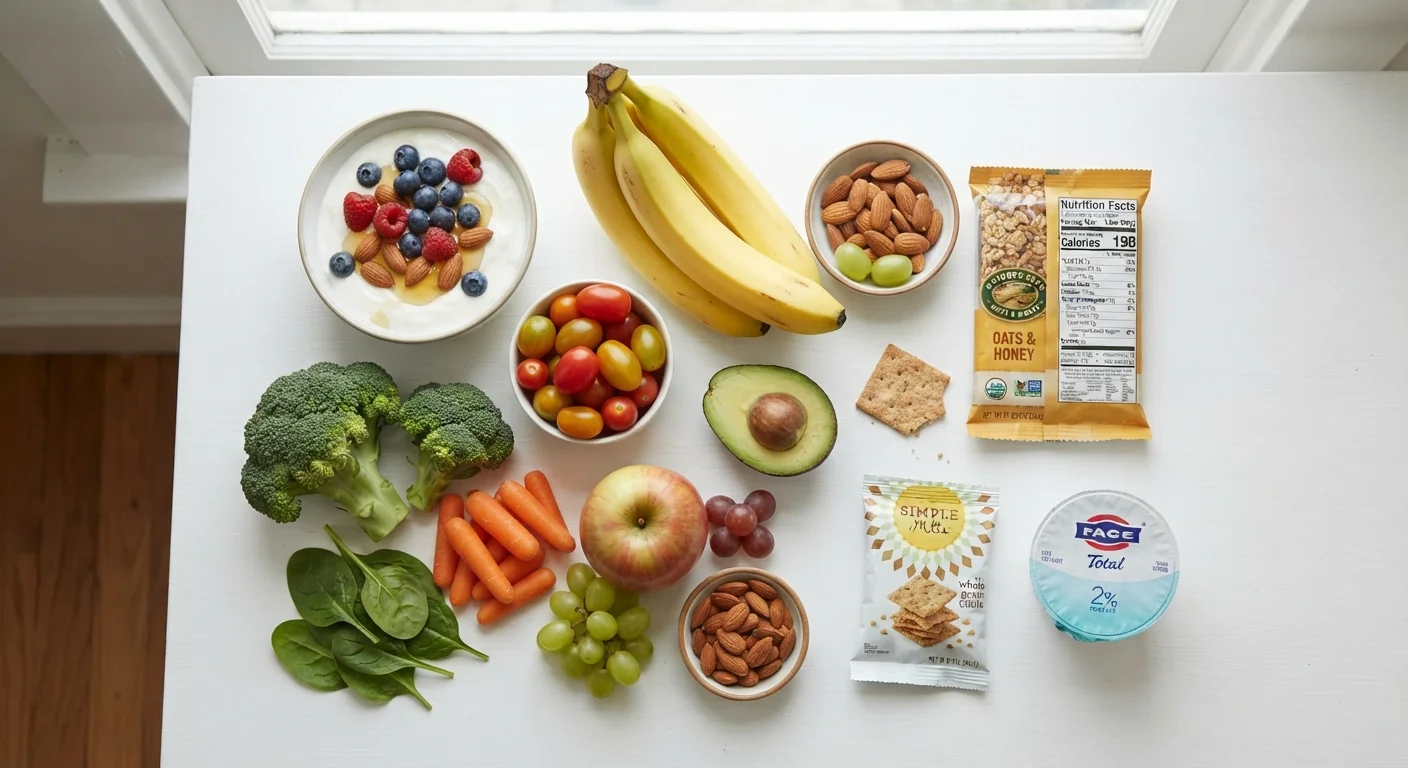
Photo: InsightsTurbo.com | Kickstart Your Knowledge Quest editorial
Key Takeaways
- Natural sugars come with fiber, vitamins, and other nutrients that slow absorption.
- Added sugars are incorporated during processing and provide calories without nutritional benefit.
- Nutrition labels in the U.S. now list added sugars separately to help consumers distinguish them.
- Current U.S. dietary guidelines suggest limiting added sugar to less than 10% of daily calories.
- Even 'healthy-sounding' foods like flavored yogurt, granola bars, and fruit juice can be significant sources of added sugar.
- You don't need to eliminate all sugar - understanding its sources is the most useful first step.
Where Sugar Actually Comes From
Sugar isn't a single ingredient that gets added to food - it's a naturally occurring molecule found across an enormous range of foods, from an apple to a glass of milk to a slice of whole-grain bread. The confusion most people run into is treating all dietary sugar as one problem to be avoided, when the real picture is considerably more nuanced.
Naturally occurring sugars are those present in a food before it's processed or prepared. Fructose in fruit, lactose in dairy, and the small amounts of sucrose in some vegetables all fall into this category. These sugars exist within a food matrix - surrounded by fiber, water, protein, vitamins, and minerals - that changes how quickly they're absorbed and what nutritional value they bring along.
Added sugars are something different. They're introduced during manufacturing, cooking, or preparation, and they arrive without the buffering nutrients that whole foods provide. A bowl of plain oatmeal contains naturally occurring starch that breaks into sugar during digestion. Instant oatmeal packets with flavoring often contain added sugar that raises the total significantly - without adding fiber or micronutrients to compensate.
Natural Doesn't Always Mean No Added Sugar
How to Spot Added Sugar on a Label
Since 2020, the FDA has required U.S. food manufacturers to list added sugars as a separate line on the Nutrition Facts panel - directly beneath the total sugars figure. This change makes it considerably easier to see at a glance whether a product's sugar content comes from its ingredients naturally or was stirred in. For a deeper walkthrough of the full label, see our guide to reading nutrition labels without getting lost in the numbers.
The ingredient list is equally informative, though it takes a little more practice to read. Added sugar hides under more than 60 names - including high-fructose corn syrup, cane juice, dextrose, maltose, agave nectar, and fruit juice concentrate. Ingredients are listed in descending order by weight, so if any form of sugar appears in the first three ingredients, the product likely leans heavily on it.
17 tsp
Average daily added sugar intake for U.S. adults
According to CDC data, American adults consume an average of about 17 teaspoons of added sugar daily - well above the recommended limit.
10%
Recommended added sugar limit as share of daily calories
The 2020-2025 U.S. Dietary Guidelines for Americans recommend keeping added sugar below 10% of total daily caloric intake.
60+
Names added sugar appears under on ingredient lists
The American Heart Association notes that added sugars can be identified by more than 60 different ingredient names on food packaging.
Foods that often surprise people with their added sugar content include flavored yogurts, granola bars, bottled salad dressings, pasta sauces, and sports drinks. These aren't always perceived as sweet foods, which is part of what makes label-reading such a valuable habit to build.
What the Research Suggests About Added Sugar
A substantial body of public health research has linked high added sugar intake to increased risk of conditions including tooth decay, weight gain, and metabolic concerns over time. This doesn't mean that any sugar is dangerous - it means that consistently high intake without corresponding nutritional value is a pattern worth paying attention to.
The 2020-2025 U.S. Dietary Guidelines for Americans recommend limiting added sugars to less than 10% of daily calorie intake. For many Americans, the actual intake exceeds this figure, largely because added sugar is embedded in so many processed and packaged foods that aren't obviously sweet.
“Added sugars contribute calories with no essential nutrients - consistently high intake is one dietary pattern the evidence links to health concerns over time, but occasional consumption in an otherwise balanced diet is not cause for alarm.”
— Walter Willett, Professor of Epidemiology and Nutrition, Harvard T.H. Chan School of Public Health
It's also worth noting that whole-food sources of sugar - including fruit - have not shown the same associations in research. The fiber and micronutrients present in fruit appear to modify how the body responds. This is part of why nutrition professionals generally encourage eating whole fruit rather than treating it the same as a sugary beverage. The concept of food quality versus isolated nutrients is explored further in our article on whole foods versus processed foods.
This article is for general informational and educational purposes only and is not a substitute for professional medical or nutritional advice. Consult a qualified healthcare provider or registered dietitian for guidance specific to your health needs.
Frequently Asked Questions
The content provided on our blog site traverses numerous categories, offering readers valuable and practical information. Readers can use the editorial team’s research and data to gain more insights into their topics of interest. However, they are requested not to treat the articles as conclusive. The website team cannot be held responsible for differences in data or inaccuracies found across other platforms. Please also note that the site might also miss out on various schemes and offers available that the readers may find more beneficial than the ones we cover.