
Weekly Grocery Habits That Support Consistent Healthy Eating

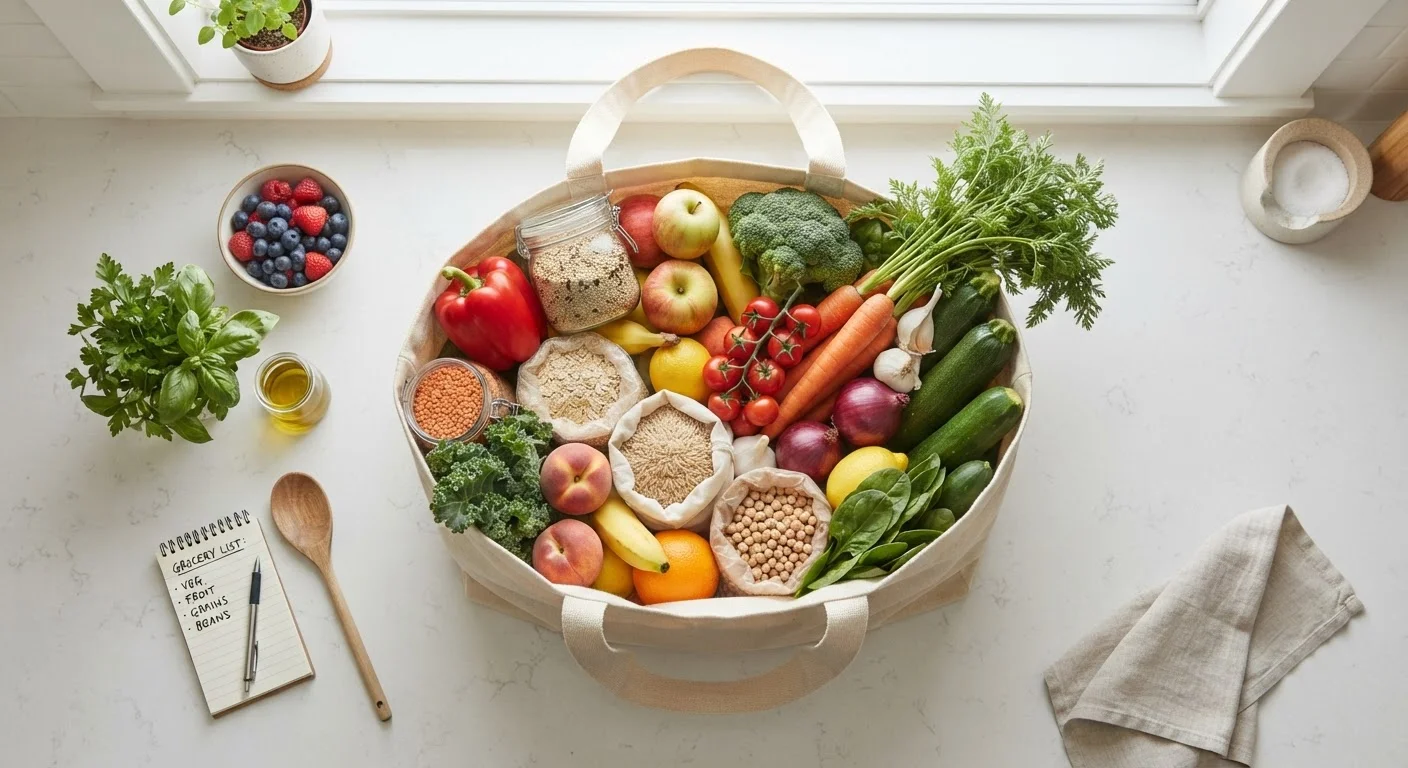
Photo: InsightsTurbo.com | Kickstart Your Knowledge Quest editorial
Key Takeaways
- Shopping with a repeatable structure - not a perfect list - removes daily decision fatigue around food.
- Anchoring your shop around whole foods in predictable categories covers most nutritional needs without strict planning.
- Small prep steps done at the time of shopping dramatically increase how often you eat what you bought.
- Consistent grocery habits support healthy eating far more reliably than motivation or willpower alone.
Why Your Shopping Routine Shapes What You Eat
Most eating decisions aren't made at the dinner table - they're made at the grocery store. What you bring home largely determines what ends up on your plate during the week. Yet for many young adults, grocery shopping feels like an improvised errand rather than a foundation for how they eat.
The good news: you don't need a rigid meal plan or expert nutritional knowledge to shop well. What you need is a lightweight, repeatable routine that makes nutritious choices the path of least resistance. Think of it like building any other healthy habit - structure does the heavy lifting so you don't have to rely on motivation every time. If you've ever wondered why good intentions at the start of the week fall apart by Wednesday, the patterns that quietly undermine good eating habits are often rooted in what wasn't stocked in the first place.
Core Grocery Habits Worth Repeating Every Week
These practices aren't about eating perfectly - they're about creating consistent conditions where eating reasonably well becomes easy. Apply them to whatever foods and flavors actually appeal to you.
Shop from a category template, not just a list
Do at least one small prep task before you put groceries away
Keep a rotating set of pantry staples that cover multiple meals
Assign a consistent shopping day that matches your week's rhythm
Buy at least one new whole food ingredient each week
For a broader look at how these shopping habits connect to what ends up on your plate, building a balanced plate without a strict diet offers practical guidance on pairing and portioning without following a rigid plan.
Quick Wins to Start This Week
You don't need to overhaul your entire routine to see results. These immediate actions can shift your habits faster than any meal plan.
Habits like these share something important with other consistency-driven routines - whether it's building movement into daily life or designing a morning routine that holds up. Small structural decisions reduce the friction that causes good intentions to stall.
Visible Food Gets Eaten
Making It Stick Over Time
Grocery habits, like most habits, are only as durable as the system behind them. The goal isn't to shop perfectly every week - it's to make a reasonable shop easy enough that you do it consistently. Lowering the bar for what counts as a good shop (a few fresh vegetables, some reliable proteins, and pantry staples) means you're more likely to keep going even during busy weeks.
If you want a structured starting point for understanding where your current eating stands, the practical checklist for evaluating your current eating habits is a useful companion to these shopping habits. And if you're working on managing your budget at the same time, exploring budgeting basics can help you align your grocery spending with your broader financial goals.
There's No Perfect Shopping Cart
This article is for general informational purposes only and does not constitute medical or nutritional advice. For personalized guidance, consult a registered dietitian or qualified healthcare professional.
The content provided on our blog site traverses numerous categories, offering readers valuable and practical information. Readers can use the editorial team’s research and data to gain more insights into their topics of interest. However, they are requested not to treat the articles as conclusive. The website team cannot be held responsible for differences in data or inaccuracies found across other platforms. Please also note that the site might also miss out on various schemes and offers available that the readers may find more beneficial than the ones we cover.