
Garden Watering Myths That Waste More Water Than They Save

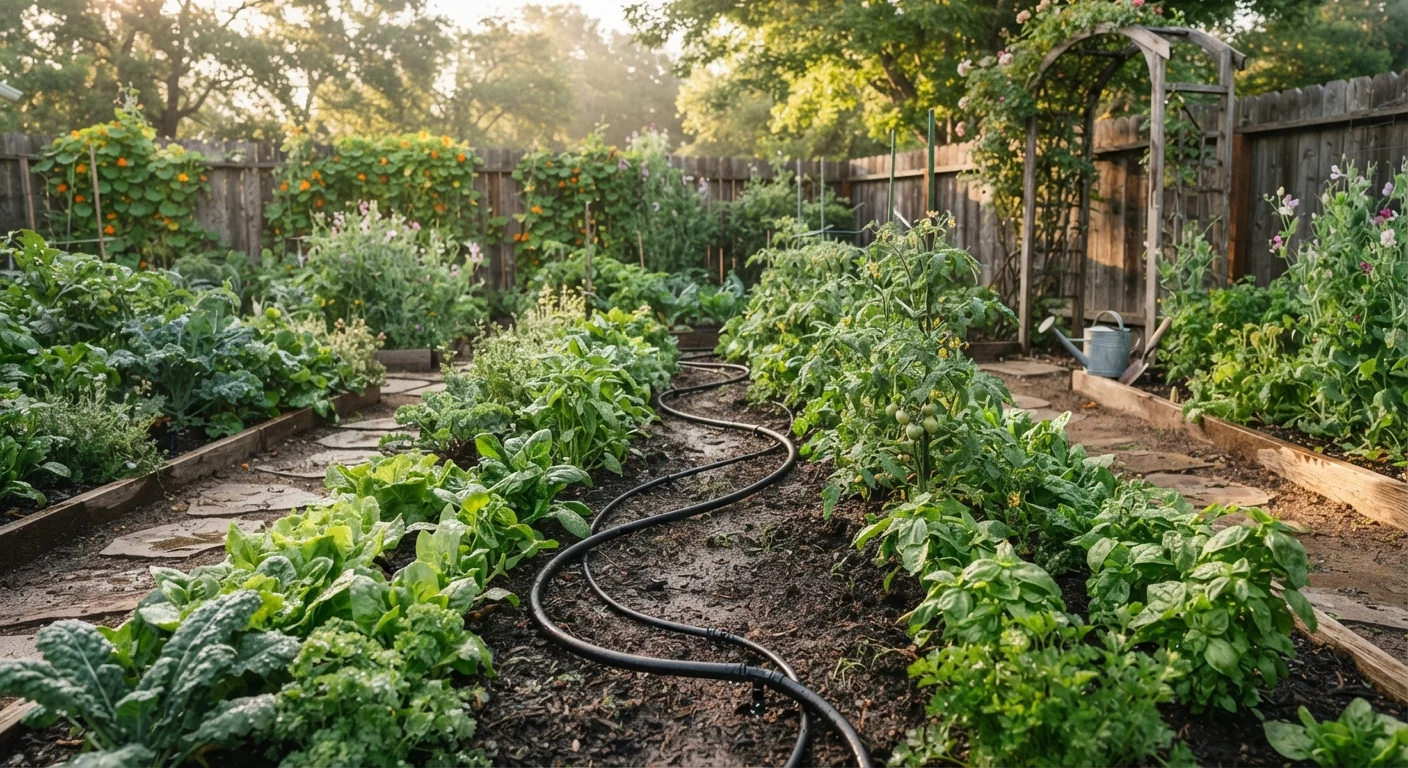
Photo: InsightsTurbo.com | Kickstart Your Knowledge Quest editorial
Key Takeaways
- Watering in the middle of the day doesn't scorch leaves - but it does waste water to evaporation.
- Daily shallow watering trains roots to stay near the surface, making plants more vulnerable to drought.
- Wilting during afternoon heat is often temporary and doesn't always signal a need to water immediately.
- Most outdoor plants need far less water than people assume when watered deeply and infrequently.
- Soil type and drainage matter more than any fixed watering schedule.
Why Watering Myths Are So Persistent
Gardening advice travels fast - from neighbors, social media, and well-meaning family members - and some of it has been repeated so often it feels like fact. For first-time growers, misinformation about watering is especially common, and the consequences go beyond wasted effort. Poor watering habits can stress plants, invite disease, and use significantly more water without any improvement in results.
The good news: correcting these habits is low-effort and the payoff is almost immediate. Just like common money myths that discourage good habits, gardening myths often make the task feel harder than it is. Below are the most widespread watering misconceptions - and what actually works.
Myth
Watering plants in the middle of the day burns their leaves because the droplets act like magnifying glasses.
Fact
Leaf scorch from water droplets is extremely rare under normal garden conditions. The real problem with midday watering is water loss - not leaf damage.
This idea has been repeated for generations, but research published in horticulture literature has found no evidence that water droplets on leaves cause meaningful burning under typical sunlight. The actual reason to avoid midday watering is efficiency: when you water during the hottest part of the day, a significant portion evaporates from the soil surface before it can reach roots. Early morning is generally the most effective time - soil absorbs water before heat peaks, and any moisture on leaves dries quickly, reducing fungal risk.
Myth
Plants need to be watered every day to stay healthy.
Fact
Daily shallow watering can actually harm plants by encouraging roots to stay near the surface, where they're vulnerable to heat and drought.
Most established garden plants benefit from less frequent, deeper watering. When water only penetrates the top inch or two of soil each day, roots have no reason to grow deeper. Shallow root systems dry out faster during hot spells and are more easily damaged. Watering deeply every few days - enough to reach the root zone - produces stronger, more self-sufficient plants. Seedlings and newly transplanted plants are an exception and may need more frequent attention until established.
Myth
If a plant is wilting, it needs water immediately.
Fact
Afternoon wilting in heat is often a temporary, self-protective response - not always a sign of drought stress.
Many plants temporarily droop during peak afternoon heat as a way to reduce water loss through their leaves - a process called transpiration. If those same plants perk back up by evening without any watering, the soil is likely still adequately moist. Watering based on appearance alone, without checking the soil, can lead to overwatering - one of the most common causes of root rot in home gardens. Check soil moisture at root depth before reaching for the hose.
Myth
More water always means healthier plants.
Fact
Overwatering is one of the most common causes of plant death in home gardens - roots need oxygen as much as they need moisture.
Soil that stays waterlogged deprives roots of the oxygen they need to function. Symptoms of overwatering - yellowing leaves, mushy stems, and mold near the soil surface - are often mistaken for drought stress, prompting even more watering and worsening the problem. The right amount of water depends on plant type, soil drainage, and weather. Heavy clay soils retain water longer and require less frequent irrigation than loose, sandy soils.
Myth
Rainwater is always enough - you don't need to supplement if it has recently rained.
Fact
Rainfall can be deceptive: a brief shower may wet only the top layer of soil while leaving the root zone dry.
Light or short-duration rainfall - even when it seems substantial - often doesn't penetrate deeply enough to benefit most plants. A rain gauge is a useful tool: most vegetables and flowering plants in active growth benefit from roughly one inch of water per week from rain and irrigation combined. After any rainfall, checking soil moisture a few inches down gives a far more reliable reading than assuming coverage based on how heavy the rain looked or sounded.
Building a Smarter Watering Routine
Once you've replaced myth with method, a practical routine takes shape quickly. Here's what the evidence consistently supports:
- Water deeply, less often. Aim for water to reach 6-8 inches into the soil. This encourages roots to grow downward where moisture is more stable.
- Check the soil before watering. Push a finger or a thin stick 2 inches into the soil near the plant's root zone. If it still feels moist, wait another day.
- Use mulch. A 2-3 inch layer of organic mulch around plants significantly reduces surface evaporation and helps soil retain moisture between waterings.
- Water the root zone, not the foliage. Directing water to the base of plants rather than overhead reduces the chance of fungal disease and gets water where it's needed.
Overwatering Is Harder to Fix Than Underwatering
Consistent observation is the most underrated gardening skill. Plants in sandy soil dry out faster than those in clay-heavy soil - so no single schedule works everywhere. Pairing good watering habits with healthy plant management (like proper spacing and soil care) makes a meaningful difference. See our guide on keeping garden plants healthy without chemicals for complementary practices that support overall plant resilience.
50%
Outdoor water use wasted through inefficiency
The U.S. Environmental Protection Agency estimates that as much as 50% of outdoor water use is lost to evaporation, wind, or runoff from inefficient irrigation.
~1 inch
Weekly water need for most garden vegetables
Most vegetable crops require approximately one inch of water per week, including rainfall, according to general guidance from university extension programs across the US.
The content provided on our blog site traverses numerous categories, offering readers valuable and practical information. Readers can use the editorial team’s research and data to gain more insights into their topics of interest. However, they are requested not to treat the articles as conclusive. The website team cannot be held responsible for differences in data or inaccuracies found across other platforms. Please also note that the site might also miss out on various schemes and offers available that the readers may find more beneficial than the ones we cover.