
Keeping Garden Plants Healthy Without Reaching for Chemicals

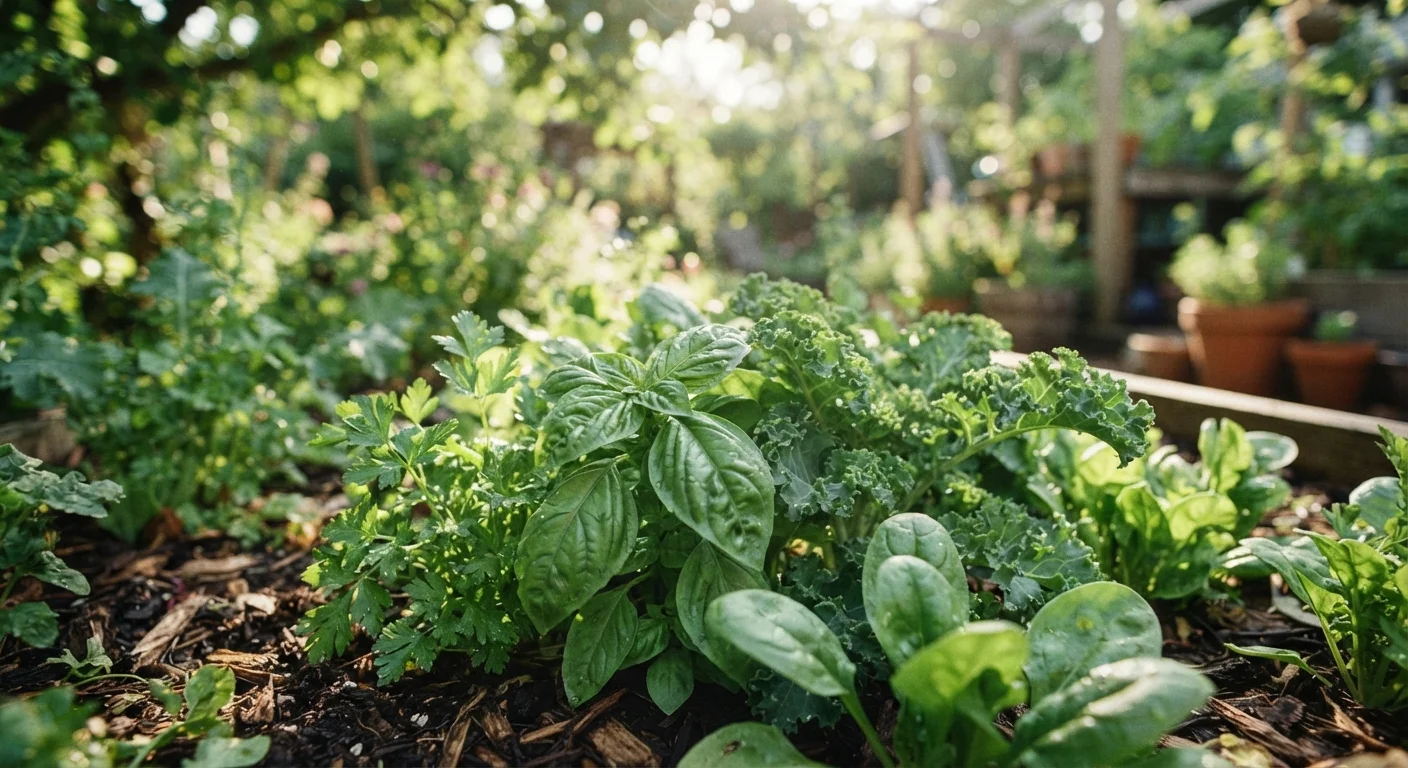
Photo: InsightsTurbo.com | Kickstart Your Knowledge Quest editorial
Key Takeaways
- Spacing plants correctly improves airflow and dramatically reduces fungal disease pressure.
- Regular observation lets you catch pests and diseases early, before they spread.
- Healthy soil is the foundation - well-fed plants resist stress and recover faster.
- Watering at the base rather than overhead keeps foliage dry and fungi less likely.
- Removing dead or damaged plant material immediately stops many problems from escalating.
Why Prevention Beats Treatment in the Garden
Most gardeners reach for a spray bottle only after something has gone wrong. But the truth is that the majority of common pest and disease problems are preventable with a few consistent habits practiced from the start. If you're just beginning, our guide for first-time growers walks through how to set up your plot with success in mind.
Prevention works because it removes the conditions pests and pathogens need to thrive - poor airflow, wet foliage, stressed plants, and crowded roots. When those conditions don't exist, problems simply don't get a foothold.
Space plants according to their mature size, not their seedling size.
Water at the base of plants, not overhead.
Remove dead, damaged, or diseased plant material promptly.
Build and maintain healthy soil before every growing season.
Rotate plant families to different beds or containers each season.
The Core Habits That Actually Make a Difference
You don't need a complex routine. A handful of consistent practices, applied regularly, will keep most gardens in good shape through the growing season. These habits also compound - the more consistently you do them, the less you'll need to intervene later.
80%
Of plant diseases linked to poor cultural practices
University cooperative extension programs broadly estimate that the majority of common garden disease problems stem from preventable cultural conditions like improper spacing, watering, and soil prep.
3x
Greater pest pressure in dense plantings
Research from horticulture studies consistently finds that overcrowded plantings experience significantly higher rates of fungal disease and insect pest establishment compared to properly spaced beds.
Also worth reviewing before the season starts: the garden readiness checklist, which covers prep steps that set you up for fewer problems down the line.
What to Watch For - and When to Act
Catching problems early is everything. A single aphid colony spotted in week one looks very different from one left unchecked for a month. Train yourself to spend a few minutes each visit looking at the undersides of leaves, the base of stems, and any spots, curling, or discoloration.
When Problems Still Appear
If you're growing in containers rather than in-ground beds, the same principles apply - you may just have more control over moisture and spacing. See our container gardening starting point for more on managing plant health in smaller spaces.
One habit that supports healthy plants but is often misunderstood is watering. Overhead watering or watering too shallowly can cause as many problems as it solves. Our article on garden watering myths breaks down what actually works.
The content provided on our blog site traverses numerous categories, offering readers valuable and practical information. Readers can use the editorial team’s research and data to gain more insights into their topics of interest. However, they are requested not to treat the articles as conclusive. The website team cannot be held responsible for differences in data or inaccuracies found across other platforms. Please also note that the site might also miss out on various schemes and offers available that the readers may find more beneficial than the ones we cover.