
Why Your Freshly Painted Wall Already Looks Uneven

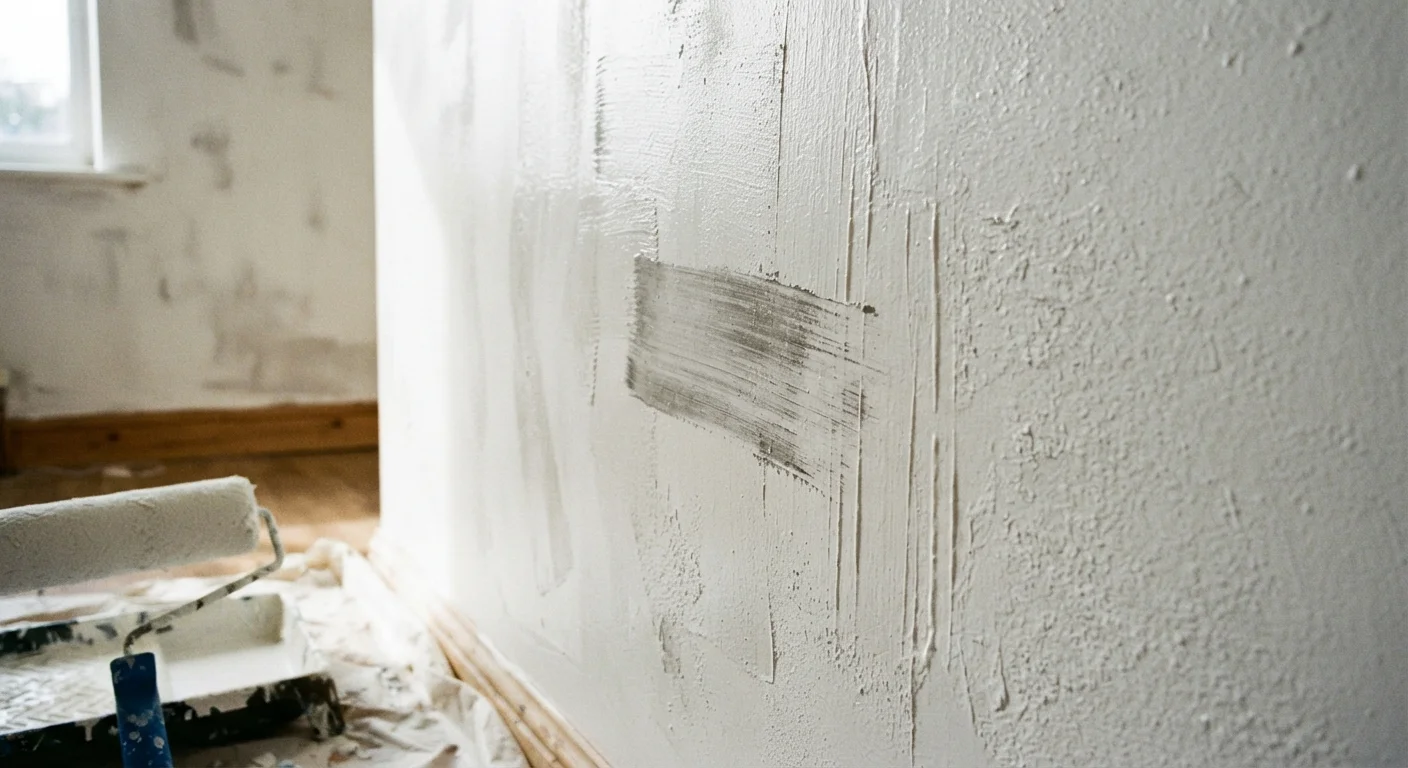
Photo: InsightsTurbo.com | Kickstart Your Knowledge Quest editorial
Key Takeaways
- Skipping wall prep - cleaning, patching, and priming - is the leading cause of uneven paint results.
- Using the wrong roller nap or brush for your surface type creates visible texture and streak marks.
- Paint sheen level dramatically affects how forgiving a finish is; higher gloss shows flaws more readily.
- Rushing between coats before paint fully dries causes lap marks and lifted color.
- Proper lighting during application helps you catch missed spots before the paint dries.
Why the Wall - Not the Paint - Is Usually the Problem
Most uneven paint results trace back to the wall surface, not the color or brand of paint. When walls aren't properly cleaned, patched, and primed, the paint has nothing consistent to adhere to - so it absorbs unevenly, leaving behind blotchy patches and dull spots.
Grease, dust, and residue from old tape or stickers create microscopic barriers that repel paint slightly, resulting in thin spots. Scuffs and nail holes that aren't filled before painting create shadows and indentations that become glaringly obvious once a coat of color is on. And skipping primer - especially on fresh drywall, repaired areas, or when making a dramatic color change - means the topcoat works overtime and almost always looks patchy.
Renters considering a paint project should also review their lease first. Our guide to understanding your lease covers what permissions you typically need before altering walls.
Technique Errors That Cause Streaks and Roller Marks
Even with a perfectly prepped wall, poor application technique produces streaks, lap marks, and uneven sheen. The most common culprits:
2 coats
Minimum coats for even coverage
Paint manufacturers and professional painters consistently recommend at least two finish coats for consistent, durable wall color.
3/8"
Roller nap for smooth walls
A 3/8-inch nap roller is the standard recommendation for smooth drywall surfaces to minimize texture and streaking.
Loading the roller unevenly. Dipping too little means a dry roller drags and streaks. Dipping too much causes drips and thick blobs that dry into ridges. Use a roller tray and roll the applicator back and forth several times on the tray's ribbed slope to distribute paint evenly across the nap.
Painting in sections that dry before you connect them. Each pass of paint needs to meet a wet edge - the freshly painted area just beside it - so the two sections blend invisibly. If you work too slowly, or paint in too-small patches, the overlap point dries first and leaves a visible line. Work in full floor-to-ceiling strips and maintain a steady pace.
Using the wrong roller nap. Nap refers to the thickness of the roller cover. Smooth walls need a short nap (around 3/8 inch); textured surfaces need a thicker nap (1/2 to 3/4 inch). Using a thick nap on a smooth wall deposits too much texture; using a thin nap on a rough surface results in inadequate coverage.
The finish you choose also plays a major role in how forgiving your results look. Flat and matte finishes hide imperfections well, while satin and semi-gloss reflect light and make every roller mark more visible. Our guide to paint finish types explains which sheen works best in each room.
Don't Rush the Drying Time Between Coats
How to Get a Smooth, Even Result From Here
If your walls already look uneven, the fix depends on the cause. Lap marks and roller texture from rushing usually require a full second coat applied correctly - with a wet edge maintained throughout. Blotchy patches from skipped primer often need a coat of primer before any additional topcoat is applied, otherwise the problem will persist through as many layers as you add.
Going forward, follow this sequence: clean the wall, let it dry fully, fill any holes with spackle and sand smooth, apply primer where needed, and paint in two thin coats rather than one heavy one. Let each coat dry according to the manufacturer's guidance - not just until it's dry to the touch, but fully cured.
Finally, check your work under raking light. Position a lamp or flashlight at a low angle to the wall while you paint; this sideways light reveals missed spots, drips, and texture issues while the paint is still wet and easy to fix.
Lighting Exposes Problems Paint Hides
The content provided on our blog site traverses numerous categories, offering readers valuable and practical information. Readers can use the editorial team’s research and data to gain more insights into their topics of interest. However, they are requested not to treat the articles as conclusive. The website team cannot be held responsible for differences in data or inaccuracies found across other platforms. Please also note that the site might also miss out on various schemes and offers available that the readers may find more beneficial than the ones we cover.