
Paint Finish Types and Where Each One Belongs

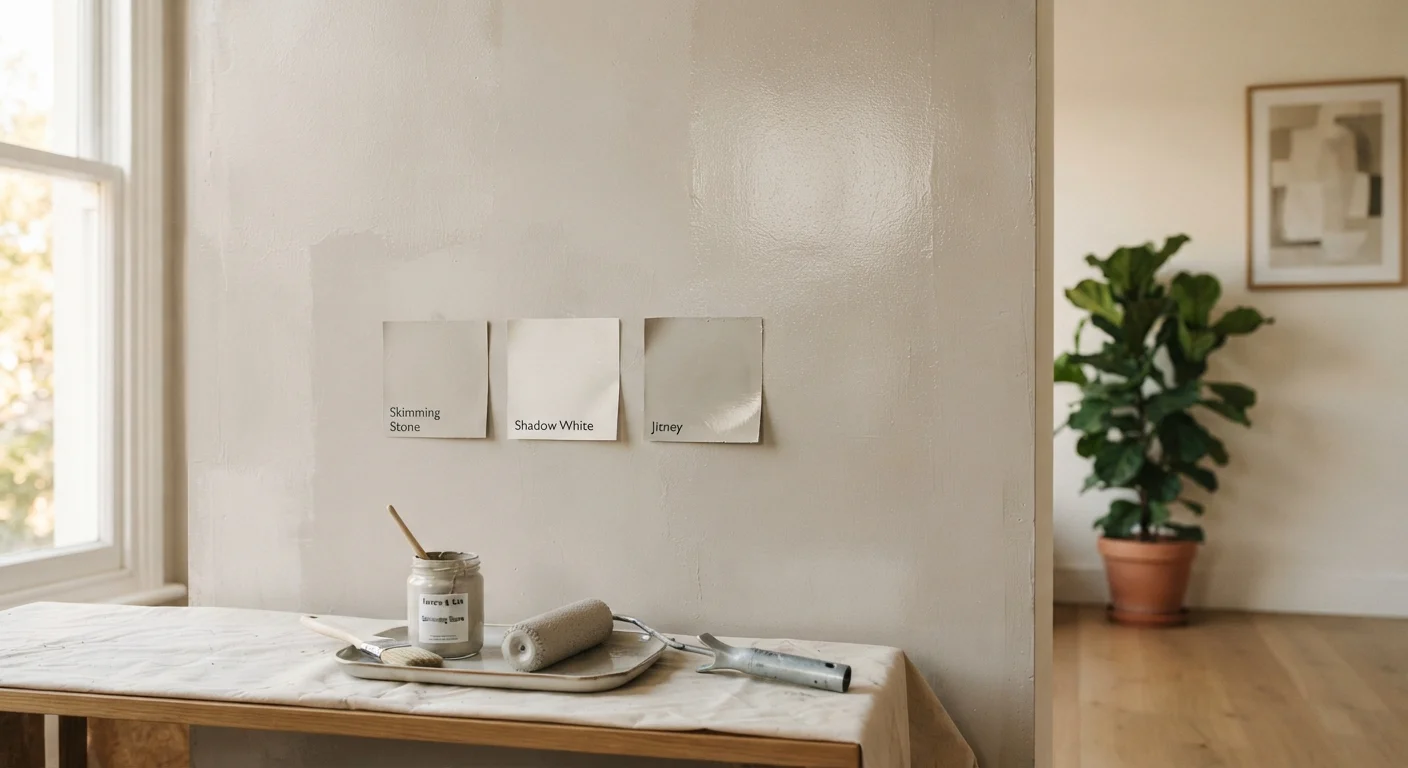
Photo: InsightsTurbo.com | Kickstart Your Knowledge Quest editorial
Why Paint Finish Matters More Than You Might Think
Most first-time painters spend all their energy choosing a color - then pick a finish at random. That's a common mistake. The sheen level of a paint determines how light bounces off your walls, how easily you can wipe away marks, and how much every surface imperfection gets noticed. Choosing the wrong finish for a room can leave you with walls that show every scuff in a bathroom or a flat ceiling paint flaking off a high-humidity kitchen wall.
Paint finishes are typically organized on a scale from flat (no sheen) to high-gloss (mirror-like shine). Each level has a practical niche based on the abuse a surface takes and the look you're going for. Once you understand the logic, the choice becomes straightforward.
If you're renting, check your lease before buying a single can - some agreements restrict painting entirely. See our guide to understanding your lease before you start.
| Number of standard finish levels | 5 (flat, eggshell, satin, semi-gloss, high-gloss) |
| Most versatile interior finish | Eggshell |
| Best finish for ceilings | Flat / Matte |
| Best finish for trim and doors | Semi-gloss |
| Best finish for high-humidity rooms | Satin or semi-gloss |
| Finish most likely to show surface flaws | High-gloss |
The Main Finish Types Explained
Sheen
The level of light reflectivity in a dried paint film. Higher sheen means more light bounces off the surface, creating a shinier appearance.
Flat / Matte finish
A paint finish with little to no sheen. It absorbs light and hides surface flaws well, but is difficult to clean without damaging the paint film.
Eggshell finish
A low-sheen finish slightly more reflective than flat. It is more washable than matte and works well in moderate-traffic living spaces.
Satin finish
A mid-range finish with a soft, noticeable sheen. It resists moisture and cleans easily, making it suitable for kitchens, bathrooms, and children's rooms.
Semi-gloss finish
A clearly reflective, highly durable finish. Commonly used on trim, doors, and cabinetry where surfaces take daily contact and need frequent cleaning.
High-gloss finish
The most reflective paint finish available. It is extremely durable but highlights surface imperfections, so it is typically reserved for furniture and trim rather than walls.
Flat / Matte
Zero to minimal sheen. Flat paint absorbs light rather than reflecting it, which hides wall imperfections like bumps, patches, and roller texture beautifully. The trade-off: it's the hardest to clean. Rubbing can lift the paint itself. Best used on ceilings and low-traffic bedroom or living room walls where scuffs are unlikely.
Eggshell
Named for the soft, slight sheen of an eggshell. It offers a subtle glow without looking shiny, and it's significantly more washable than flat. This is probably the most versatile interior finish - appropriate for living rooms, dining rooms, bedrooms, and hallways. It handles an occasional wipe-down well but isn't suited to areas that get wet regularly.
Satin
A noticeable, soft sheen that's easy to clean and resists moisture better than eggshell. Satin is the go-to for kitchens, bathrooms, laundry rooms, and children's rooms - anywhere that sees more mess and humidity. One note: surface prep matters more with satin finishes because the sheen will highlight roller lines or patchy application. Our article on avoiding uneven paint results covers exactly those prep pitfalls.
Semi-Gloss
High durability, strong moisture resistance, and a clearly reflective surface. Semi-gloss is standard on trim, doors, window frames, baseboards, and cabinet faces - surfaces that take daily contact and need to be wiped frequently. Some people also use it in bathrooms. It will show imperfections in the surface below it, so fill and sand carefully before applying.
High-Gloss
The shiniest option available. It's extremely durable and almost plastic-like in its reflectivity. Most commonly used on furniture, cabinetry, and exterior trim rather than interior walls. On walls, it will highlight every flaw and can feel visually overwhelming in large spaces.
Matching Finish to Room: A Quick Reference
Here's a practical room-by-room summary to keep in mind when you're shopping:
- Ceilings: Flat - minimizes texture and hides imperfections overhead.
- Bedrooms and living rooms: Matte or eggshell - cozy, low-glare, easy on the eyes.
- Hallways and entryways: Eggshell or satin - holds up to brushing contact and the occasional handprint.
- Kitchens and bathrooms: Satin or semi-gloss - handles steam, splashes, and frequent cleaning.
- Trim, doors, and baseboards: Semi-gloss - durable and easy to wipe.
- Cabinets and furniture: Semi-gloss or high-gloss - takes the most wear.
Keep in mind that finish interacts with lighting. A higher-sheen paint in a north-facing room can look cold and flat; in a well-lit space, the same finish might look lively. See how lighting decisions shape the feel of a room before you finalize your color and finish combination.
Finish Labels Can Vary by Brand
When you're ready to think about the bigger picture of how each room comes together, it's worth considering where to invest in furniture and where to save - the same logic of prioritizing by use and wear applies.
The content provided on our blog site traverses numerous categories, offering readers valuable and practical information. Readers can use the editorial team’s research and data to gain more insights into their topics of interest. However, they are requested not to treat the articles as conclusive. The website team cannot be held responsible for differences in data or inaccuracies found across other platforms. Please also note that the site might also miss out on various schemes and offers available that the readers may find more beneficial than the ones we cover.