
Why 'Measure Twice, Buy Once' Is the Rule That Saves First-Time Renters

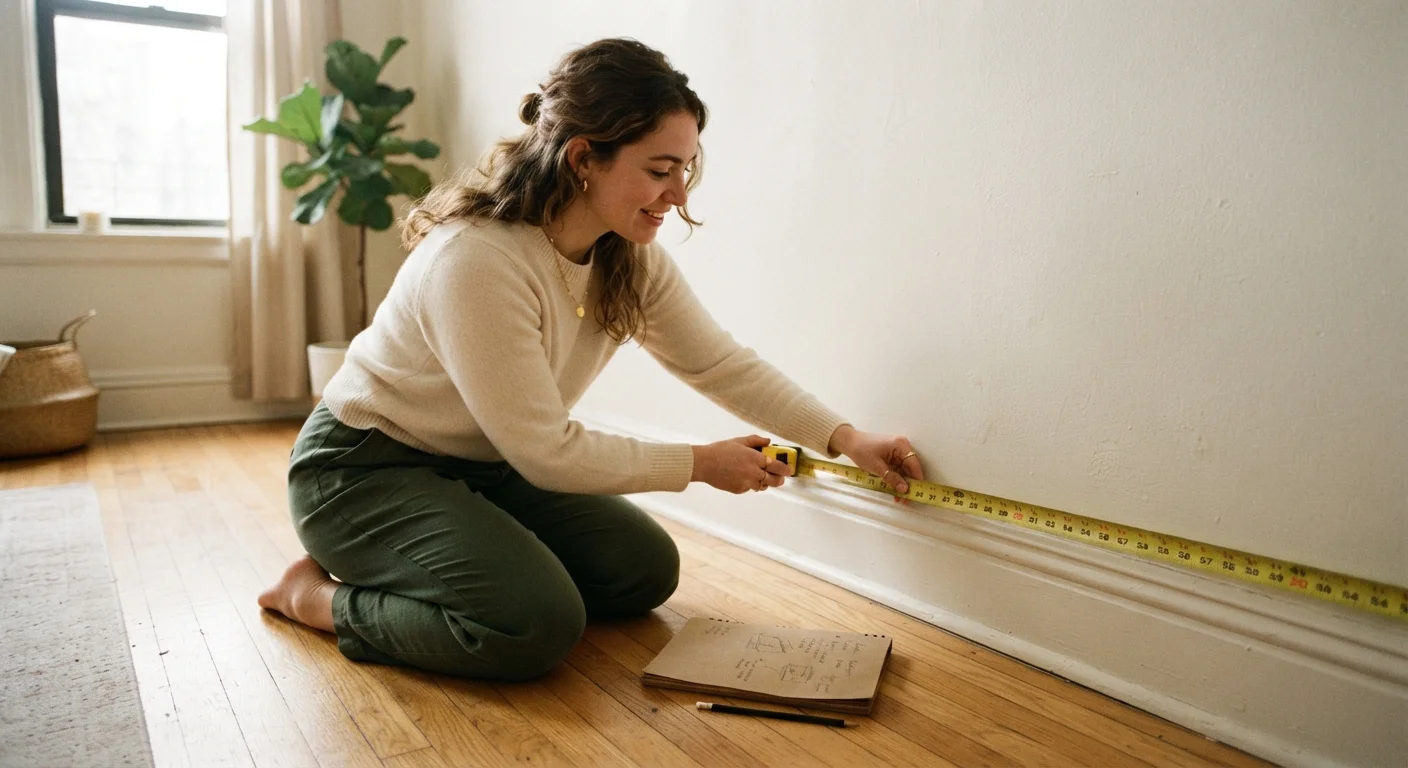
Photo: InsightsTurbo.com | Kickstart Your Knowledge Quest editorial
Key Takeaways
- Measuring your space before buying furniture prevents costly returns and delivery headaches.
- Doorways, hallways, and stairwells need to be measured, not just the room itself.
- Sketching a simple floor plan to scale helps you visualize furniture placement before committing.
- Forgetting to account for clearance space around furniture is one of the most common first-timer mistakes.
- Always record measurements in writing - memory alone leads to expensive errors.
Why Sizing Mistakes Are So Common - and So Costly
Setting up a first apartment is exciting, and the temptation to start buying furniture immediately is real. But moving fast without measuring first is the single most reliable way to end up with a beautiful piece of furniture stuck in your hallway because it won't fit through the door.
The good news: these mistakes are almost entirely preventable. A tape measure, a notepad, and about 20 minutes of prep work can save you hundreds of dollars in return fees, delivery charges, and replacement costs. Our guide to room measurements walks through exactly how to capture every number you'll need before you shop.
Don't Rely on Listing Photos for Scale
Before you browse a single listing, start with your space - not a wishlist.
The Mistakes That Catch First-Timers Off Guard
Most sizing errors follow predictable patterns. Understanding why they happen is the first step to skipping them entirely.
Measuring only the room and ignoring the path furniture must travel to get there.
Buying furniture without accounting for clearance and walking space around it.
Relying on memory rather than written measurements when shopping.
Assuming furniture sold as a set will fit a small apartment layout.
Forgetting to measure ceiling height before buying tall furniture or light fixtures.
If you're still weighing whether to buy furniture outright or explore other options, our article on renting vs. buying furniture can help you decide before you commit to anything large.
Returns Are Harder Than They Look
Building a Simple Measuring Habit That Sticks
You don't need professional tools or design experience to measure effectively. A standard 25-foot tape measure covers most apartments, and a free graph-paper template (printable or digital) is all you need to sketch a rough floor plan.
1 in 3
First-time furniture buyers who report a sizing regret
Consumer surveys on home furnishing habits consistently find that a significant share of first-time buyers discover a piece doesn't fit as expected only after delivery.
36 inches
Recommended main walkway clearance
Interior design guidelines generally recommend at least 36 inches of clear walking space in primary traffic paths to keep a room functional and accessible.
Write down every room's length, width, and ceiling height. Then walk your delivery path - front door, hallway, any turns - and note those widths too. Once you have those numbers, you can shop with confidence rather than hope.
Also worth reviewing before you start making any changes to your new place: understanding your lease covers what alterations renters can and can't make, which affects where and how you can position furniture near walls and fixtures.
The measure-twice rule isn't about being overly cautious - it's about making deliberate choices so your first home actually works for the way you live in it.
The content provided on our blog site traverses numerous categories, offering readers valuable and practical information. Readers can use the editorial team’s research and data to gain more insights into their topics of interest. However, they are requested not to treat the articles as conclusive. The website team cannot be held responsible for differences in data or inaccuracies found across other platforms. Please also note that the site might also miss out on various schemes and offers available that the readers may find more beneficial than the ones we cover.