
Renting vs. Buying Furniture When You're Just Starting Out

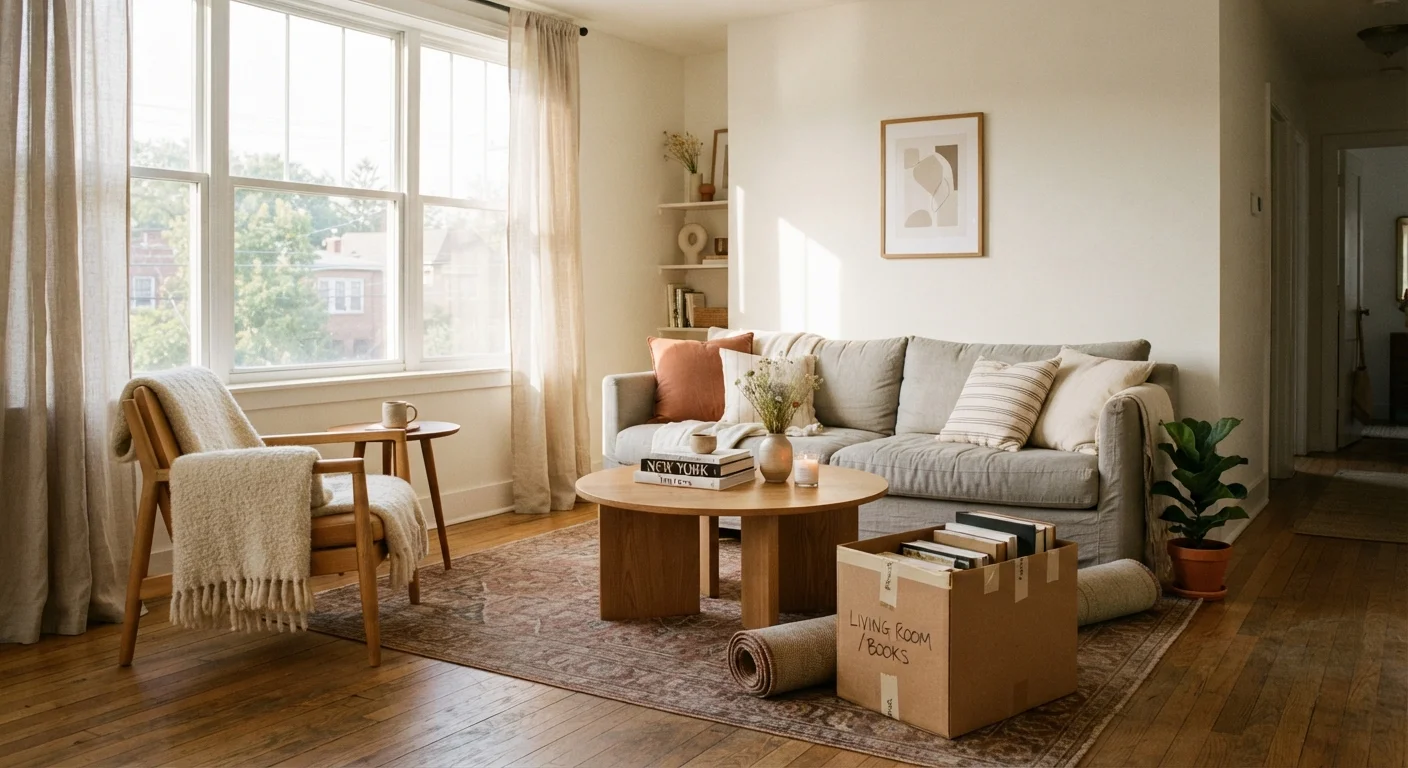
Photo: InsightsTurbo.com | Kickstart Your Knowledge Quest editorial
Key Takeaways
- Furniture rental typically costs significantly more over time than purchasing equivalent pieces outright.
- Renting makes sense in short-term or highly transitional living situations where flexibility matters most.
- Buying outright, even on a budget, usually delivers better long-term value for most first-timers.
- Rental agreements often include maintenance and replacement, which buying does not.
- Your lease length and likelihood of moving should heavily influence this decision.
Why This Decision Matters More Than It Seems
When you're setting up your first place, furniture can feel like an afterthought - something to sort out after utilities, security deposits, and moving costs. But how you furnish a home affects your monthly budget for months or years. Getting this choice wrong can mean paying hundreds more than necessary, or ending up stuck with pieces that don't fit your life.
Before diving into specifics, it helps to think about your situation honestly. How long do you expect to stay? How stable is your income right now? Do you have cash available for upfront purchases, or is monthly predictability more important? Check out our complete home setup roadmap to see where furniture fits into the bigger picture of getting settled.
| Criterion | Renting Furniture | Buying Furniture |
|---|---|---|
| Upfront cost | Low (first month + deposit) | Higher (full purchase price) |
| Long-term cost | High (ongoing monthly fees) | Lower (one-time expense) |
| Ownership at end | None - items returned | Full ownership, resale option |
| Flexibility to move | High - return and restart | Lower - must transport or sell |
| Maintenance included | Often yes | No - your responsibility |
| Style/customisation | Limited to catalogue | Full control |
| Best lease length | Under 12 months | 12 months or longer |
The Real Cost of Renting Furniture
Furniture rental works like other rental agreements: you pay a monthly fee to use pieces, and you return them when your term ends. Some programs include delivery, setup, and maintenance, which can sound appealing when you're overwhelmed by move-in logistics.
The catch is cumulative cost. A basic rental package covering a sofa, bed frame, mattress, and dining set can run $100-$200 per month depending on the market. Over 18 months, that's $1,800-$3,600 spent on items you don't own at the end. Purchasing comparable budget-tier furniture outright - even new - often falls in the $800-$1,500 range for the same items.
2-3×
More spent renting vs. buying over 18 months
General cost comparisons suggest renters typically spend two to three times more than buyers for equivalent furniture over an 18-month period.
~$1,500
Average budget to furnish a starter apartment
Consumer finance guides commonly estimate $1,000-$2,000 as a realistic range for furnishing a small first apartment with basic purchased pieces.
Rental also comes with contractual obligations. Many programs have minimum terms, early-termination fees, and restrictions on where and how you use the furniture. Read any agreement carefully before signing - the same scrutiny you'd apply to a lease. Our guide on understanding your lease covers the habit of reading fine print that applies here too.
When Buying Makes More Sense - and How to Do It Affordably
For most first-timers staying put for a year or more, buying furniture outright is the more cost-effective path. You own what you purchase, you can resell it if you move, and you're not locked into a recurring obligation.
Budget buying doesn't have to mean low quality across the board. Some pieces justify higher spending - a mattress and a desk chair, for example - while others, like side tables or bookshelves, can be sourced affordably through secondhand markets without sacrificing function.
A few practical tips for buying on a starter budget:
- Prioritise structural pieces first. A bed, a place to sit, and a place to eat cover 90% of daily needs.
- Measure before you buy. Our guide on measuring your space will save you from costly returns.
- Consider flat-pack furniture for budget-friendly options - just go in with realistic expectations. Here's an honest look at the trade-offs.
- Buy secondhand strategically. Upholstered pieces carry hygiene risks; solid wood or metal pieces are generally safer used purchases.
If you haven't yet covered the basics of move-in day, see what to set up before move-in day for a practical checklist that goes beyond furniture.
Renting Is Not the Same as Lease-to-Own
The content provided on our blog site traverses numerous categories, offering readers valuable and practical information. Readers can use the editorial team’s research and data to gain more insights into their topics of interest. However, they are requested not to treat the articles as conclusive. The website team cannot be held responsible for differences in data or inaccuracies found across other platforms. Please also note that the site might also miss out on various schemes and offers available that the readers may find more beneficial than the ones we cover.