
Credit Scores Decoded: What the Number Actually Means

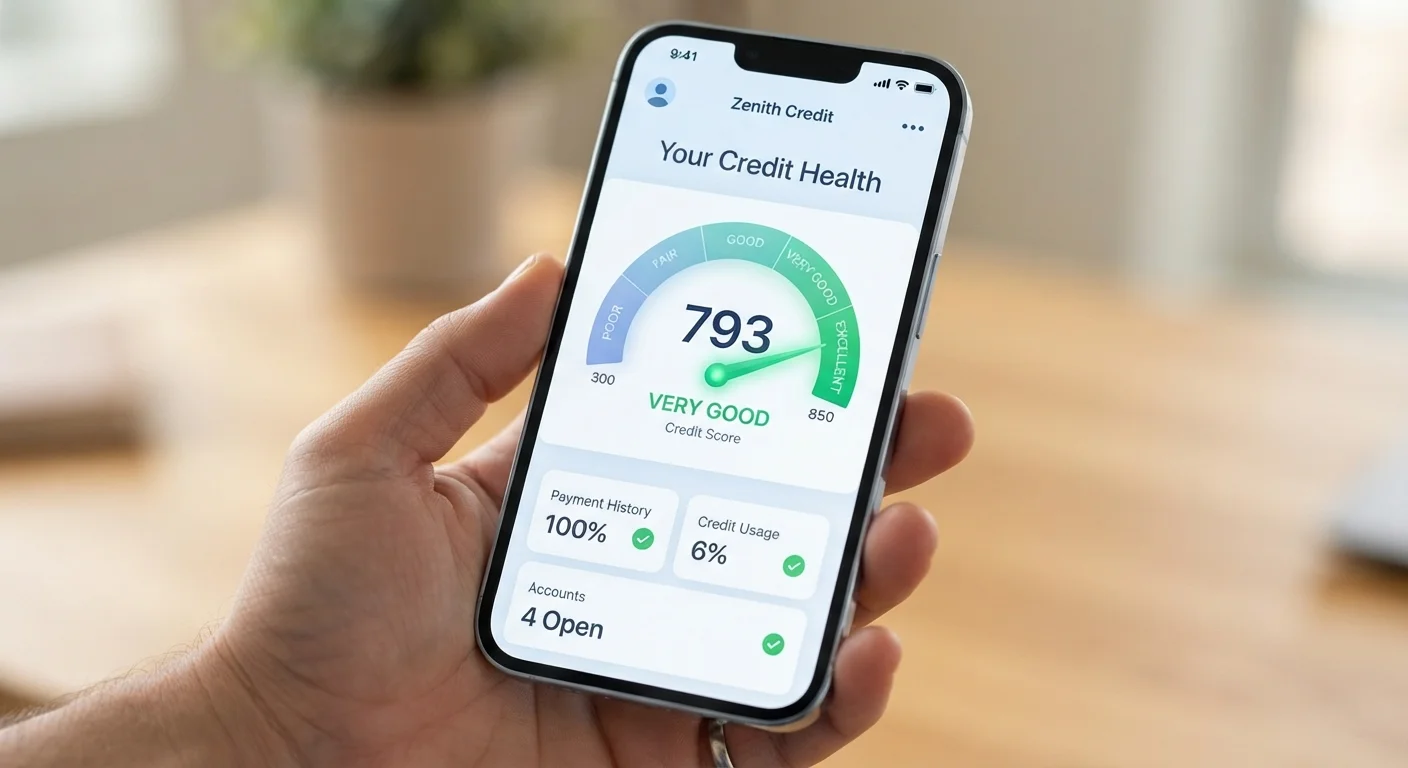
Photo: InsightsTurbo.com | Kickstart Your Knowledge Quest editorial
Key Takeaways
- A credit score is a number between 300 and 850 that reflects your history of managing debt.
- Higher scores typically unlock lower interest rates, better rental approvals, and more financial options.
- Your score is calculated from five main factors, with payment history carrying the most weight.
- Checking your own score does not hurt it — only hard inquiries from lenders can cause a small dip.
- Building a strong score takes time, but consistent habits produce real, measurable results.
Where the Number Comes From
Your credit score doesn't come from a bank or the government — it's calculated by independent data analytics companies, most notably Fair Isaac Corporation (FICO) and VantageScore. These companies pull the information sitting inside your credit report, run it through a mathematical model, and produce a single number that tries to predict how likely you are to repay a debt on time.
That credit report — which is different from the score itself — is compiled by the three major credit bureaus: Equifax, Experian, and TransUnion. Lenders like credit card companies and auto financers regularly send account updates to these bureaus. The score is essentially a compressed summary of all that data. Learn more about how the two relate in our credit report vs. credit score explainer.
300–850
Standard FICO and VantageScore range
Both major U.S. scoring models use this scale, with higher numbers indicating lower credit risk to lenders.
~35%
Weight of payment history in FICO scoring
According to FICO's published scoring criteria, payment history is the single largest factor in a standard FICO Score calculation.
3
Major U.S. credit bureaus
Equifax, Experian, and TransUnion each maintain separate credit files, which means your score can vary slightly depending on which bureau's data is used.
What Goes Into the Calculation
Five broad categories feed into your score, though each carries a different weight. Payment history — whether you pay on time — is the single largest factor. Credit utilization, meaning how much of your available revolving credit you're using, comes in second. The length of your credit history, the variety of account types you hold, and the number of recent applications round out the formula.
This means your score is less about your income or wealth and more about your behavior over time. A person earning a modest salary who always pays on time and keeps balances low can outscore a high earner who regularly misses payments. For a detailed look at how each factor is weighted, see the five factors that shape your credit score.
Keep Your Utilization Below 30%
Why Your Score Actually Matters
Your credit score functions like a financial reputation number that follows you into a surprising number of everyday situations. When you apply for a car loan or a mortgage, lenders use your score to decide both whether to approve you and what interest rate to charge. Even a difference of 50 points can translate into thousands of dollars in extra interest over the life of a loan.
Beyond lending, landlords routinely check credit scores before approving a rental application. Some employers in certain industries review credit as part of background checks. Utility companies sometimes use scores to determine whether a deposit is required when you set up service. Understanding what lenders actually see when they pull your credit can help you appreciate just how much information sits behind that three-digit figure.
Building and Protecting Your Score Over Time
The most reliable path to a strong score is consistent, unglamorous behavior: pay every bill on time, keep credit card balances well below their limits, avoid opening multiple new accounts in a short period, and let older accounts stay open even if you rarely use them.
You're entitled to a free credit report from each of the three bureaus once a year through AnnualCreditReport.com — the federally mandated source. Reviewing your report regularly lets you catch errors or signs of fraud that could be dragging your score down without your knowledge. If you spot an inaccuracy, you have the right to dispute it directly with the bureau that's reporting it.
Understanding where you currently fall on the scale is also useful context. Our guide to common credit score ranges explains what each band means in practical terms and what it typically takes to move up.
This article is for general informational and educational purposes only and does not constitute personalized financial or credit advice. Consult a qualified financial professional for guidance specific to your situation.
Frequently Asked Questions
The content provided on our blog site traverses numerous categories, offering readers valuable and practical information. Readers can use the editorial team’s research and data to gain more insights into their topics of interest. However, they are requested not to treat the articles as conclusive. The website team cannot be held responsible for differences in data or inaccuracies found across other platforms. Please also note that the site might also miss out on various schemes and offers available that the readers may find more beneficial than the ones we cover.