
Common Credit Score Ranges and What They Mean in Practice

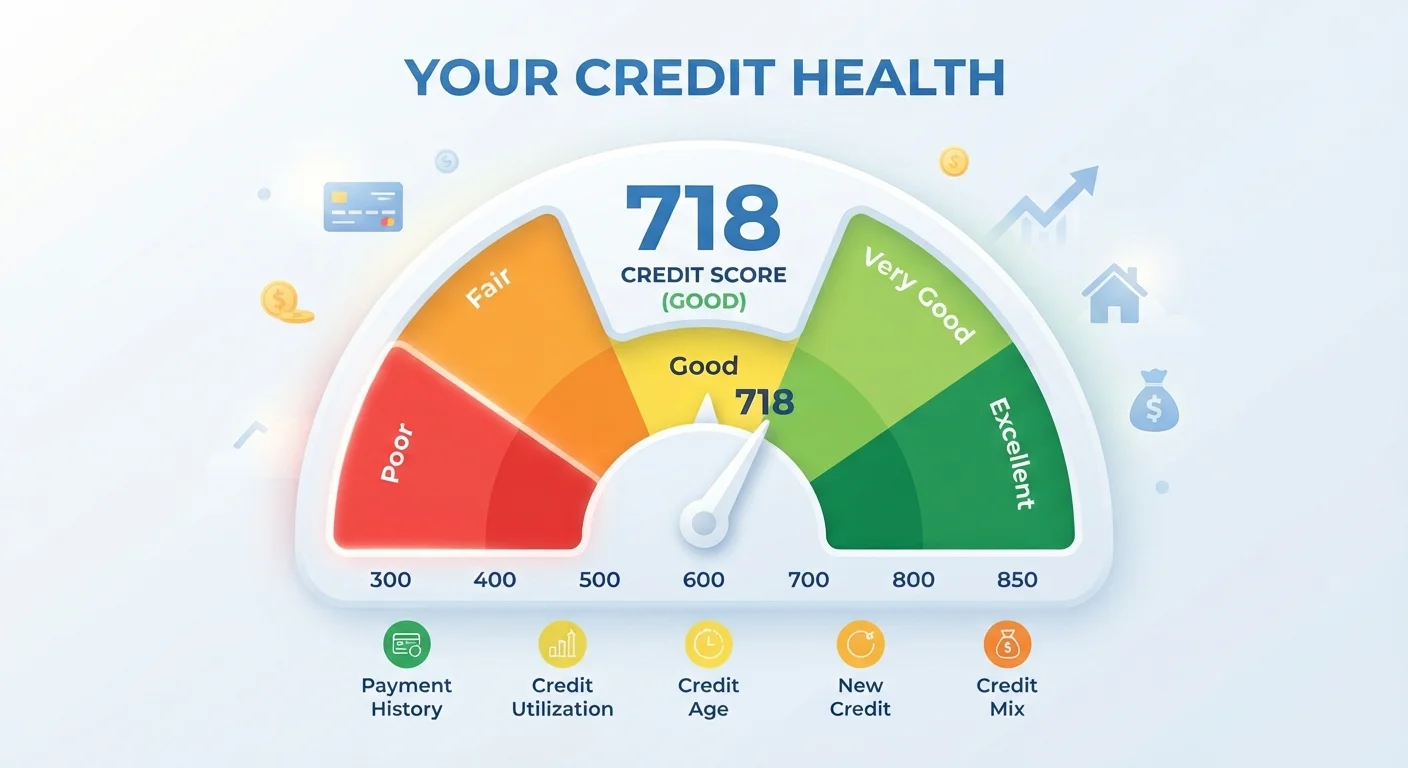
Photo: InsightsTurbo.com | Kickstart Your Knowledge Quest editorial
How Credit Score Ranges Are Structured
Most credit scores in the U.S. follow the FICO scale, which runs from 300 to 850. (VantageScore, another widely used model, uses the same range.) Lenders, landlords, and even some employers use scores within this range to quickly gauge how reliably someone has managed debt in the past. The higher your number, the lower the perceived risk you represent to whoever is evaluating you.
Score ranges are typically grouped into five broad bands. While exact cutoffs can vary slightly by lender or scoring model, the bands below reflect common industry usage:
- Exceptional: 800–850
- Very Good: 740–799
- Good: 670–739
- Fair: 580–669
- Poor: 300–579
These aren't just labels — each band carries real-world consequences for what credit products you can access and at what cost. To understand why your score lands where it does, see our breakdown of the five factors that shape your credit score.
What Each Band Means in Practice
Poor (300–579): At this range, most traditional lenders will decline applications for unsecured credit. If approval is granted, it typically comes with high interest rates, low limits, and sometimes a required deposit. Secured credit cards — where you put down a cash deposit as collateral — are a common starting tool here.
Fair (580–669): You'll qualify for more products, but terms are still unfavorable. Expect higher APRs on loans and credit cards compared to borrowers in higher tiers. This band is often called the "subprime" range by lenders.
Good (670–739): This is roughly where the average U.S. adult falls, according to historical FICO data. Most mainstream lenders will approve applications, and interest rates become noticeably more competitive. This range is generally considered the threshold for "prime" lending.
Very Good (740–799): Borrowers here receive near-top-tier offers. Mortgage rates, auto loans, and credit card rewards products are readily accessible. Small improvements in score have diminishing practical impact at this level.
Exceptional (800–850): You're in the lowest-risk category. Lenders compete for your business. You'll typically see the best available rates and terms. Reaching this range usually requires years of consistent on-time payments, low utilization, and a mix of credit types.
670+
Score generally needed for prime lending terms
670 is widely cited as the baseline "good" threshold across major U.S. lenders using the FICO model.
~57%
U.S. adults with a FICO score of 700 or higher
Based on FICO's periodic score distribution reports showing the majority of scoreable consumers fall in the good-to-exceptional range.
300–579
Poor range — limited or costly credit access
Borrowers in this range often face declined applications or high-rate secured products as their primary options.
Note: Specific rates and approval thresholds vary by lender, loan type, and economic conditions. These descriptions reflect general patterns, not guaranteed outcomes. Always consult directly with a lender for terms that apply to your situation.
Moving Up: What Actually Changes Your Band
Your score is not fixed. Every month, the information on your credit report updates, and your score recalculates. The fastest levers most people have are:
- On-time payments: Payment history is the single largest factor in most scoring models. Even one missed payment can cause a meaningful drop.
- Credit utilization: Keeping your balances well below your credit limits has a faster impact than almost any other action. Our article on credit utilization explains how this ratio works and what to target.
- Account age: Length of credit history builds gradually — you can't rush it, but you can avoid unnecessarily closing old accounts.
- Hard inquiries: Applying for multiple new credit lines in a short window adds hard inquiries, which can temporarily lower your score.
If you're not sure where your score currently stands, remember that your credit report and credit score are two separate things — understanding both gives you a clearer picture of what to improve.
Progress is rarely overnight. Moving from Fair to Good typically takes consistent positive behavior over 12–24 months, though results vary by individual. Understanding why your score may have dropped can also help you avoid steps backward.
This article provides general financial education and is not personalized financial advice. For guidance specific to your situation, consider speaking with a licensed financial professional.
The content provided on our blog site traverses numerous categories, offering readers valuable and practical information. Readers can use the editorial team’s research and data to gain more insights into their topics of interest. However, they are requested not to treat the articles as conclusive. The website team cannot be held responsible for differences in data or inaccuracies found across other platforms. Please also note that the site might also miss out on various schemes and offers available that the readers may find more beneficial than the ones we cover.