
Reading Your Credit Report for the First Time

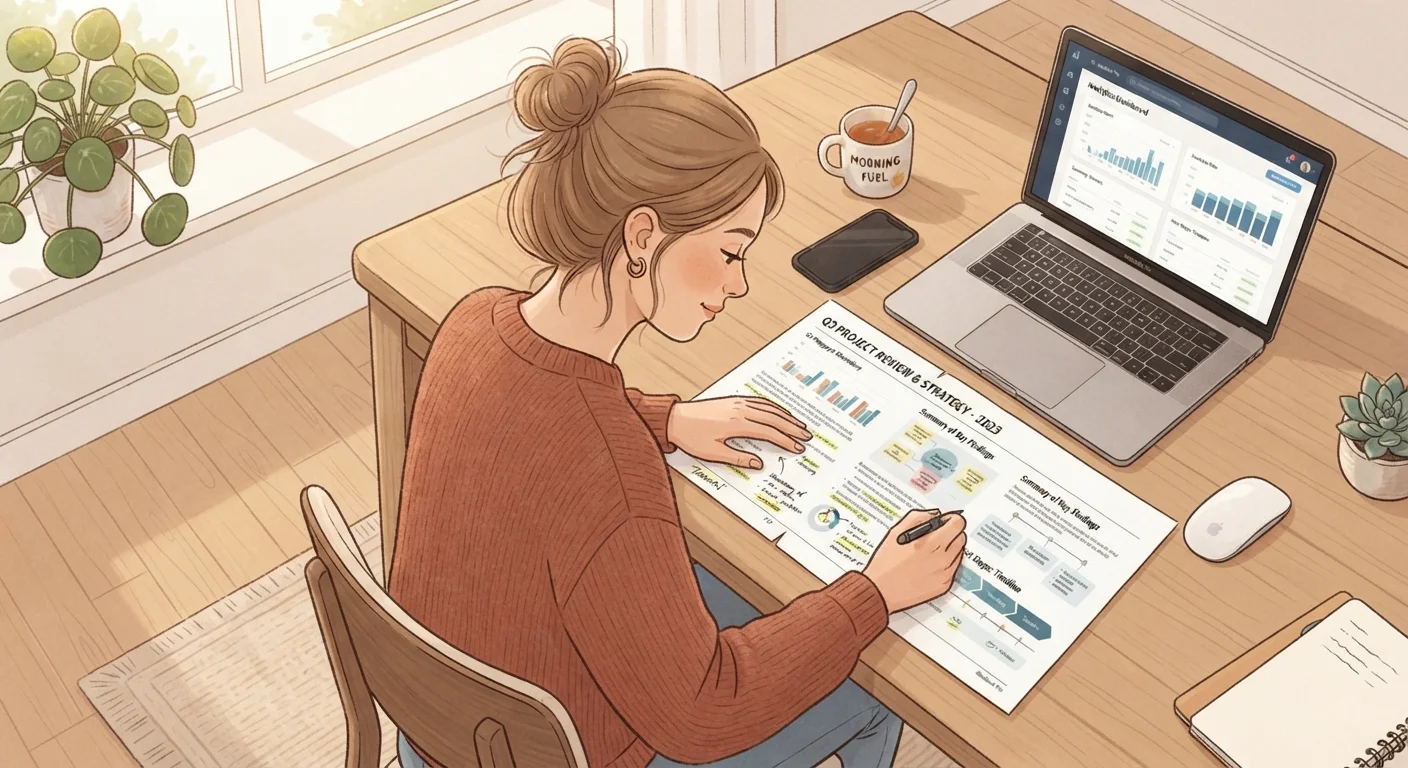
Photo: InsightsTurbo.com | Kickstart Your Knowledge Quest editorial
Key Takeaways
- You can access your credit reports for free from all three major bureaus at AnnualCreditReport.com.
- A credit report has five main sections: personal info, accounts, inquiries, public records, and collections.
- Errors on credit reports are common and can negatively affect your financial standing if left uncorrected.
- Reviewing your report regularly helps you catch fraud, track progress, and prepare for major financial decisions.
- Your credit report and credit score are two separate things — one is a record, the other is a calculated number.
What a Credit Report Actually Is
A credit report is a detailed record of how you've managed borrowed money over time. It's compiled by credit bureaus — Equifax, Experian, and TransUnion — based on data reported to them by lenders, credit card issuers, and other creditors. Lenders use it to decide whether to extend you credit and on what terms.
It's important to understand that your credit report and your credit score are not the same thing. The report is the raw record; the score is a number calculated from that record using a specific formula. For a clear breakdown of how these two concepts relate, see Credit Report vs. Credit Score.
Because the information in your report directly influences your financial opportunities — from renting an apartment to qualifying for a car loan — it's worth understanding what's in it before you need it. Reading it for the first time can feel overwhelming, but the structure is consistent across bureaus, and once you know what each section means, it becomes much easier to interpret.
What you will need
Tools You'll Need
AnnualCreditReport.com
The federally authorized portal for requesting free credit reports from Equifax, Experian, and TransUnion.
Pen and notepad (or digital notes app)
Used to flag unfamiliar accounts, potential errors, or questions to follow up on while reviewing your report.
Only Use the Official Free Source
How to Read Your Credit Report Step by Step
Stagger Your Bureau Requests
Request your free credit reports
Go to AnnualCreditReport.com and follow the prompts to request reports from Equifax, Experian, and TransUnion. You'll need to verify your identity using your SSN, date of birth, and address history. You can pull all three at once or stagger them — either approach is valid.
Review the personal information section
The first section lists your name, current and previous addresses, date of birth, and sometimes employment history. This information isn't used to calculate your credit score, but errors here — like an unfamiliar address — can be an early sign of identity fraud. Confirm every detail is accurate.
Examine your accounts section (the core of your report)
This section — sometimes called trade lines — lists every credit account associated with you: credit cards, student loans, auto loans, mortgages, and more. For each account, you'll see:
- The creditor's name and account number (partially masked)
- The date the account was opened
- Your credit limit or original loan amount
- Your current balance
- Your payment history, often shown month by month
- The account status (open, closed, in good standing, delinquent, etc.)
Look for any account you don't recognize — this is the most important fraud check you can do.
Check the inquiries section
Inquiries are logged whenever someone pulls your credit. There are two types: hard inquiries (triggered when you apply for credit — these can slightly lower your score) and soft inquiries (background checks, pre-approval screenings — these don't affect your score). Hard inquiries typically remain on your report for two years. If you see a hard inquiry you didn't authorize, that's worth investigating.
Look at public records and collections
This section may include bankruptcies or accounts sent to collections agencies. A collections entry means a creditor handed your unpaid debt to a third party for recovery. These entries are serious and can remain on your report for up to seven years. If you see something here you believe is inaccurate, you have the right to dispute it.
Flag anything unfamiliar and take notes
Go through each section methodically and write down anything that looks unfamiliar, incorrect, or surprising. Common errors include: accounts that belong to someone with a similar name, incorrect account statuses, duplicate entries, and outdated negative items that should have aged off. This list becomes your action plan.
Understand what you're seeing in context
Your credit report is a record of your borrowing history — not a judgment. A thin file (few accounts, short history) isn't the same as a bad file. If you're just starting out, see our guide to building credit from scratch for practical next steps. If you spotted errors, our walkthrough on disputing credit report errors explains the process clearly.
What to Do After You've Read It
Once you've reviewed your report, you have a clearer picture of where you stand. If everything looks accurate, that's a solid baseline — make a calendar reminder to check again in a few months. If you're planning a major financial move like financing a car or applying for a student loan, knowing your report in advance gives you time to address any issues.
Errors Are More Common Than You Think
If you found errors, the dispute process is more straightforward than most people expect. Each bureau has an online dispute portal, and creditors are legally required to investigate claims within a set timeframe. See the full credit report dispute walkthrough for step-by-step instructions.
If you're new to credit entirely and your report is thin or empty, that's a different problem to solve — and a solvable one. Understanding how lenders interpret what they see is also worthwhile; what lenders actually see when they pull your credit goes deeper on that. And if you're thinking about opening your first credit card as a way to start building history, Your First Credit Card: Everything You Need to Know Before Applying is a good companion read.
This article is for general informational and educational purposes only and does not constitute personalized financial or legal advice. For guidance specific to your situation, consider consulting a licensed financial professional or nonprofit credit counselor.
The content provided on our blog site traverses numerous categories, offering readers valuable and practical information. Readers can use the editorial team’s research and data to gain more insights into their topics of interest. However, they are requested not to treat the articles as conclusive. The website team cannot be held responsible for differences in data or inaccuracies found across other platforms. Please also note that the site might also miss out on various schemes and offers available that the readers may find more beneficial than the ones we cover.