
Your First Credit Card: Everything You Need to Know Before Applying

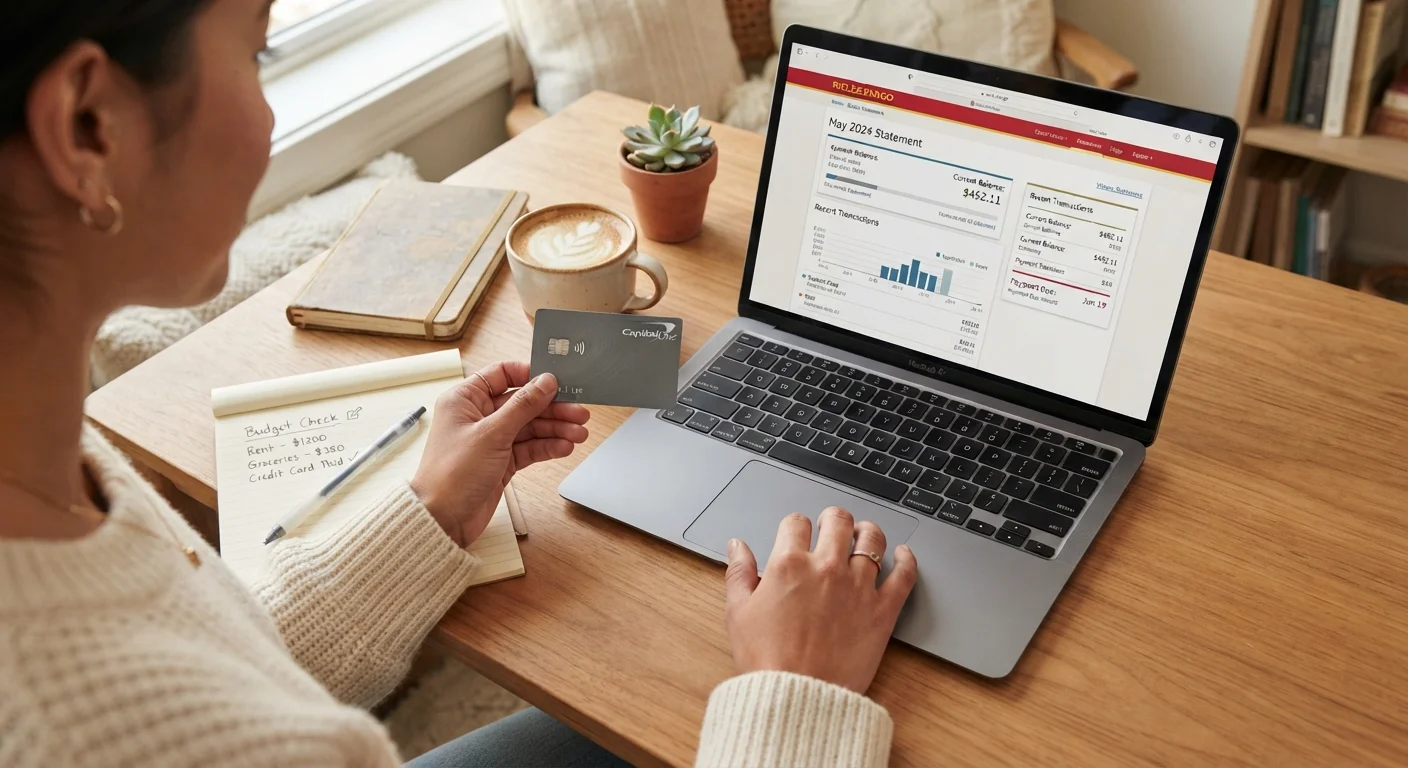
Photo: InsightsTurbo.com | Kickstart Your Knowledge Quest editorial
Key Takeaways
- A credit card is a short-term loan you repay monthly — interest kicks in only if you carry a balance.
- Your payment history is the single biggest factor in your credit score.
- Keeping your balance below 30% of your credit limit helps protect your score.
- Annual fees, APR, and grace periods matter more for beginners than rewards programs.
- Paying your statement balance in full each month is the single best habit to build.
How Credit Cards Actually Work
A credit card gives you access to a revolving line of credit — a set borrowing limit you can draw from, repay, and use again. Each month, your issuer sends a statement showing what you've spent. You then choose to pay the minimum, any amount in between, or the full balance.
Pay the full statement balance by the due date and you owe no interest. Carry any balance forward and interest charges — calculated using your card's APR — begin accruing. This is the core mechanic that separates people who use credit cards as a tool from those who end up in debt.
APR
Annual Percentage Rate — the yearly interest rate applied to any credit card balance you don't pay off by your due date. It only costs you money if you carry a balance.
Credit utilization
The percentage of your available credit limit you're currently using. For example, a $300 balance on a $1,000 limit equals 30% utilization.
Grace period
The window between your statement closing date and your payment due date — usually 21 to 25 days — during which you can pay your balance without being charged interest.
Secured credit card
A credit card backed by a cash deposit you provide upfront, which typically becomes your credit limit. It functions like a regular card and helps build credit history.
Hard inquiry
A credit check triggered when you apply for new credit. It can temporarily lower your score by a few points and stays on your report for up to two years.
Statement balance
The total amount owed on your credit card at the end of a billing cycle. Paying this amount in full each month avoids interest charges entirely.
Your card also has a grace period: the window between your statement closing date and your payment due date, typically 21–25 days. During this window, no interest accrues on new purchases — but only if you paid your previous balance in full.
What to Look for Before You Apply
For a first card, focus on the basics rather than flashy rewards. The terms that matter most are:
- APR: The interest rate on carried balances. A lower rate costs you less if you ever do carry a balance.
- Annual fee: Some cards charge a yearly fee just to keep the account open. As a beginner, look for a no-annual-fee option until you're confident the card's benefits outweigh the cost.
- Credit limit: Your initial limit is likely modest — that's normal and actually useful for building discipline.
- Minimum payment requirements: Understand what the minimum is and why paying only the minimum can cost you significantly more over time in interest.
If you have no credit history yet, a secured card or a card designed for students may be the most realistic starting point. You may also want to explore becoming an authorized user on a family member's account as an alternative path, though it comes with trade-offs worth understanding first.
Start Simple, Then Build
How Your Card Shapes Your Credit Score
Every month, your card issuer reports your account activity to the major credit bureaus. Over time, this data builds your credit file — the record lenders check before approving loans, apartments, or even some jobs.
The most influential factor in your score is payment history, which makes up roughly 35% of your FICO score. On-time payments build it; late or missed payments damage it significantly. The second biggest factor is credit utilization — the percentage of your available credit you're using. Keeping that figure below 30% is a widely cited guideline, though lower is generally better.
Your first card also establishes the age of your oldest account, which contributes to the length of your credit history over time. This is one reason financial educators often suggest keeping your first card open even after you've graduated to other products. To understand exactly how these factors appear in your file, see our guide to reading your credit report for the first time.
Using Your Card Without Getting Into Trouble
The habits you form in the first few months with a card tend to stick. These practices make a measurable difference:
- Pay your full statement balance every month. This is the single most protective habit. It eliminates interest entirely and keeps your utilization low.
- Set up automatic payments. At minimum, automate the minimum payment so a forgotten due date doesn't become a missed payment on your credit report. Automate the full balance if your cash flow allows.
- Treat it like a debit card. Only charge what you already have the money to cover. This reframes the card as a payment method, not extra income.
- Review your statement monthly. Checking your transactions helps you catch errors, spot fraud early, and stay aware of your spending patterns.
For a deeper look at the behaviors that separate responsible cardholders from those who struggle, our article on credit card habits worth building early walks through the most impactful practices in detail.
Common Mistakes First-Time Cardholders Make
Knowing the pitfalls is just as valuable as knowing the best practices. Watch out for these patterns:
- Paying only the minimum: The minimum payment is designed to keep your account current — not to pay off your balance efficiently. Carrying a balance means interest compounds, making your purchases cost significantly more than their sticker price.
- Maxing out the card: Hitting your credit limit signals high risk to lenders and can sharply raise your utilization ratio, hurting your score even if you pay on time.
- Applying for several cards at once: Multiple hard inquiries in a short period can lower your score and may signal financial distress to lenders.
- Ignoring your statements: Billing errors and fraudulent charges are more common than most people expect. You generally have a limited window to dispute charges, so regular review matters.
Minimum Payments Are a Debt Trap
If you're also managing other financial decisions — like financing a first car — it's worth knowing how credit inquiries and new accounts interact. Our overview of what comes after buying your first car covers how financing and insurance connect to your broader financial picture.
And if you're starting with no credit history at all, building credit from scratch lays out a realistic step-by-step approach tailored to your situation.
This article is for general informational and educational purposes only and does not constitute personalized financial advice. Consult a qualified financial professional for guidance specific to your circumstances.
Frequently Asked Questions
The content provided on our blog site traverses numerous categories, offering readers valuable and practical information. Readers can use the editorial team’s research and data to gain more insights into their topics of interest. However, they are requested not to treat the articles as conclusive. The website team cannot be held responsible for differences in data or inaccuracies found across other platforms. Please also note that the site might also miss out on various schemes and offers available that the readers may find more beneficial than the ones we cover.