
Secured vs. Unsecured Credit Cards: Which One Makes Sense When You're Starting Out

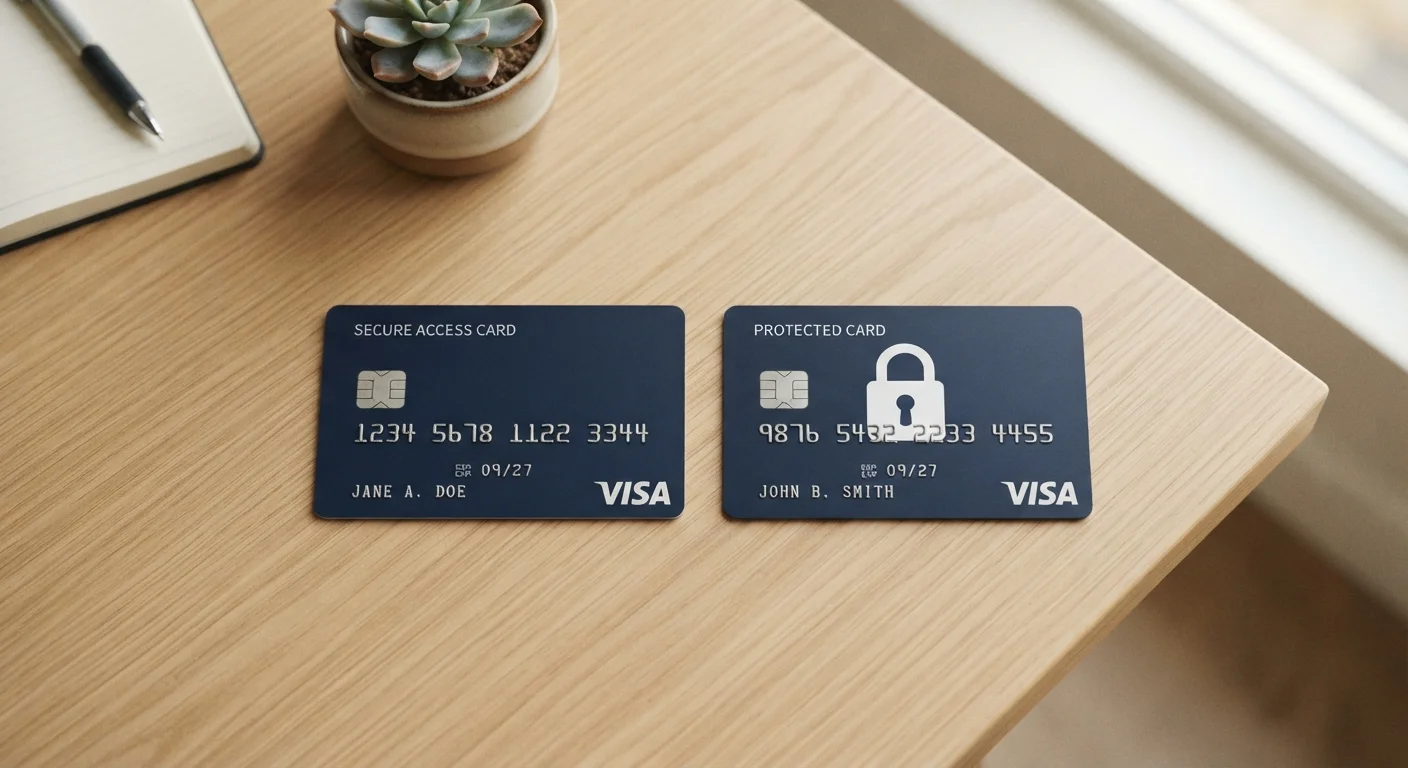
Photo: InsightsTurbo.com | Kickstart Your Knowledge Quest editorial
Key Takeaways
- Secured cards require a refundable cash deposit that typically sets your credit limit.
- Unsecured cards extend credit based on your creditworthiness — no deposit needed.
- Both card types report to credit bureaus and can build your credit history equally well.
- Secured cards are generally easier to qualify for with no or limited credit history.
- Annual fees and interest rates vary widely; compare terms carefully before applying.
- Starting with the right card type reduces the risk of early credit missteps.
What Sets These Two Card Types Apart
At their core, secured and unsecured credit cards work the same way: you make purchases, receive a monthly statement, and pay what you owe. The fundamental difference is how the card issuer manages its risk.
A secured credit card requires you to put down a refundable cash deposit — commonly between $200 and $500 — before you can use the card. That deposit typically becomes your credit limit. Because the issuer holds collateral, the bar to qualify is much lower. This makes secured cards a realistic first step for people with no credit history at all, or for those recovering from past financial setbacks.
An unsecured credit card requires no deposit. Instead, the issuer extends a line of credit based on your credit score, income, and overall creditworthiness. If you've never had a credit account before, getting approved for a standard unsecured card can be difficult — a common catch-22 that leaves many beginners wondering where to start. Our guide to building credit from scratch covers this challenge in depth.
| Criterion | Secured Credit Card | Unsecured Credit Card |
|---|---|---|
| Deposit required | Yes — typically $200–$500 | No deposit needed |
| Approval difficulty | Low — accessible with no credit | Moderate — requires credit history |
| Credit limit | Usually equals deposit amount | Based on creditworthiness |
| Reports to credit bureaus | Yes — same as unsecured | Yes — same as secured |
| Upgrade path | Often upgrades after 12–18 months | Higher limits over time with good use |
| Typical APR | Often higher (20–29%+) | Varies widely by product |
| Annual fees | Common; amounts vary | Varies; some have none |
How Each Card Affects Your Credit Profile
This is where a common misconception trips people up: many assume secured cards are somehow "lesser" tools for credit building. They aren't. Both secured and unsecured cards report your payment activity to the three major credit bureaus — Equifax, Experian, and TransUnion — in exactly the same way. What matters for your credit profile is how you use the card, not which type it is.
Consistent on-time payments and keeping your balance well below your credit limit (generally, staying under 30% of your available credit is considered prudent) will strengthen your credit history regardless of card type. To understand exactly what gets tracked, see our breakdown of credit reports vs. credit scores.
~26%
Americans with no credit score or thin file
The Consumer Financial Protection Bureau has estimated that tens of millions of U.S. adults are "credit invisible" or have unscorable credit files, highlighting how common this starting point is.
30%
Credit utilization threshold often cited as prudent
Credit scoring models generally reward cardholders who use less than 30% of their available credit limit, making low balances a key habit regardless of card type.
One practical upside of secured cards: many issuers will review your account after 12–18 months of responsible use and either upgrade you to an unsecured product or return your deposit. That graduation path is a built-in milestone worth aiming for.
Costs, Fees, and Terms to Watch
Neither card type is automatically cheaper than the other — it depends entirely on the specific product. That said, a few patterns are worth knowing before you apply.
Secured cards sometimes carry higher annual fees relative to their modest credit limits, which can sting when you're just starting out. Some secured cards charge setup fees or monthly maintenance fees on top of the annual fee — read the terms carefully. Interest rates (APR) on secured cards can also run high, though this matters less if you pay your balance in full each month, which is strongly advisable.
Unsecured cards aimed at people with limited credit — sometimes called "starter" or "credit-builder" unsecured cards — can also carry elevated fees and interest rates. The key habit to develop early is paying your statement balance in full and on time. Our article on credit card habits worth building early walks through the behaviours that make the biggest long-term difference.
What Happens to Your Deposit
If you're weighing other ways to establish credit without a card at all, it's also worth reading about becoming an authorised user on someone else's account — a different path with its own trade-offs.
Making the Right Choice for Where You Are Now
The decision between secured and unsecured isn't permanent — it's a starting point. If you have no credit history or a thin file, a secured card is usually the more practical and realistic route. You get access to credit, you begin building a track record, and you minimize the risk of a hard inquiry rejection that could temporarily dent a score you don't yet have.
If you have some credit history — even just a year or two of on-time payments on a student loan or a utility account — it's worth checking whether you'd qualify for an entry-level unsecured card. Many issuers offer products specifically designed for people transitioning from no credit to fair credit.
Either way, understanding how credit cards work before you apply will help you use whichever card you choose as a genuine financial tool rather than a source of stress. The goal isn't just to get a card — it's to use it in a way that opens more financial doors over time.
This article is for general informational and educational purposes only and does not constitute personalised financial advice. Consult a qualified financial professional for guidance specific to your situation.
The content provided on our blog site traverses numerous categories, offering readers valuable and practical information. Readers can use the editorial team’s research and data to gain more insights into their topics of interest. However, they are requested not to treat the articles as conclusive. The website team cannot be held responsible for differences in data or inaccuracies found across other platforms. Please also note that the site might also miss out on various schemes and offers available that the readers may find more beneficial than the ones we cover.