
Emergency Funds: What They Are and Why Financial Advisers Recommend Them

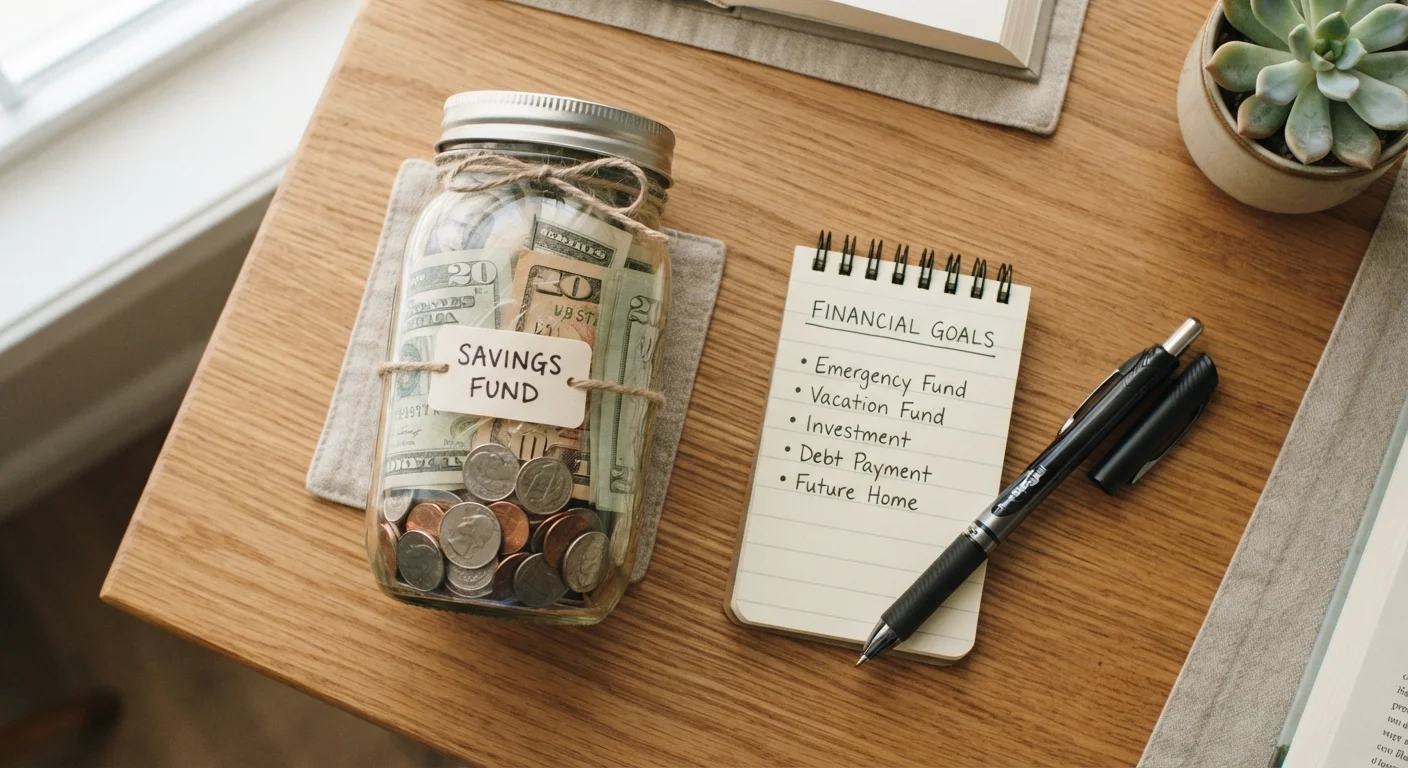
Photo: InsightsTurbo.com | Kickstart Your Knowledge Quest editorial
Key Takeaways
- An emergency fund is money reserved exclusively for unexpected, necessary expenses.
- Most financial guidance suggests saving three to six months of essential expenses.
- Without an emergency fund, a single unexpected cost can push you into high-interest debt.
- Even a small starter fund of $500–$1,000 provides meaningful financial protection.
- Emergency funds should be kept liquid and separate from everyday spending accounts.
Why an Emergency Fund Exists
Most people understand that unexpected expenses happen. What's harder to appreciate — until it hits — is how quickly a single financial shock can cascade into a serious problem. A car that won't start, an urgent dental procedure, or a layoff can each force a choice: drain savings, borrow money, or fall behind on bills. An emergency fund is what interrupts that cycle before it starts.
The core purpose is simple: keep a financial disruption from becoming a financial crisis. When you have a cushion set aside, a $700 car repair is an inconvenience, not a month of credit card interest. That separation between an unexpected cost and a debt spiral is exactly what an emergency fund creates.
Understanding your monthly expenses is the foundation for sizing your fund correctly. It helps to know which costs are non-negotiable each month — see fixed vs. variable expenses for a breakdown of how to categorize them.
Emergency Fund vs. Sinking Fund
How Much Is Actually Enough?
The three-to-six-month guideline is widely cited because it reflects how long it realistically takes to stabilize after a major disruption like job loss. Three months covers shorter gaps; six months or more provides a buffer for people with variable income, self-employment, or dependents.
But for someone starting from zero, those targets can feel paralyzing. That's why many financial educators break it into two stages:
- Starter emergency fund: $500–$1,000 to handle the most common small emergencies without touching a credit card.
- Full emergency fund: Three to six months of essential monthly expenses (rent or mortgage, utilities, groceries, insurance, and minimum debt payments).
To calculate your target, add up only the non-negotiable monthly costs you'd need to cover if your income stopped. That number, multiplied by three to six, is your full goal.
~57%
Americans unable to cover a $1,000 emergency with savings
According to Bankrate's annual Emergency Savings Report, a majority of U.S. adults would struggle to fund a common unexpected expense without borrowing.
3–6 months
Recommended essential expenses to hold in reserve
This range is the standard guidance cited by most certified financial planning organizations as a target for a fully funded emergency buffer.
$1,000
Common starter emergency fund milestone
Many personal finance educators recommend this as a first goal before aggressively tackling other financial priorities like debt payoff or investing.
Why Advisers Emphasize This Before Almost Anything Else
Financial advisers consistently place emergency fund building near the top of any getting-started checklist — often above aggressive investing and sometimes even above extra debt payments. The reasoning is protective: without a cash buffer, any financial plan is fragile. A single emergency sends someone back to borrowing, potentially erasing months of progress.
High-interest debt — particularly credit cards — is often the tool people reach for when they have no savings. The interest costs that accumulate on borrowed emergency expenses can far exceed what the emergency itself cost. An emergency fund is, in a practical sense, a way of avoiding very expensive short-term borrowing.
“An emergency fund turns a crisis into an inconvenience.”
— Jean Chatzky, Personal finance author and financial journalist
If you're currently managing a tight budget, budgeting when living paycheck to paycheck covers realistic starting points for finding even small amounts to set aside.
Building the Fund When Money Is Tight
The most common barrier isn't motivation — it's margin. When every dollar is already spoken for, it's hard to see where emergency savings come from. A few approaches that tend to work in tight situations:
- Start smaller than feels meaningful. Even $10 or $25 per paycheck establishes the habit and slowly accumulates. The amount matters less at first than the consistency.
- Automate it. Set up an automatic transfer on payday so the money moves before it can be spent. Treating savings as a fixed bill is a behavioral shift that makes a real difference.
- Keep it separate. A dedicated savings account — ideally at a different institution from your checking — creates friction that discourages casual spending.
- Use one-time windfalls. Tax refunds, overtime pay, or small gifts are practical ways to make a meaningful jump toward your goal.
For a deeper look at building a savings habit on a constrained income, starting a savings habit when you feel like you have nothing left over walks through actionable first steps.
Treat Your Fund as Off-Limits
This article is for general informational and educational purposes only and does not constitute personalized financial advice. For guidance tailored to your specific situation, consider consulting a qualified financial professional.
Frequently Asked Questions
The content provided on our blog site traverses numerous categories, offering readers valuable and practical information. Readers can use the editorial team’s research and data to gain more insights into their topics of interest. However, they are requested not to treat the articles as conclusive. The website team cannot be held responsible for differences in data or inaccuracies found across other platforms. Please also note that the site might also miss out on various schemes and offers available that the readers may find more beneficial than the ones we cover.