
Litter Box Mistakes That Make Cats Go Elsewhere

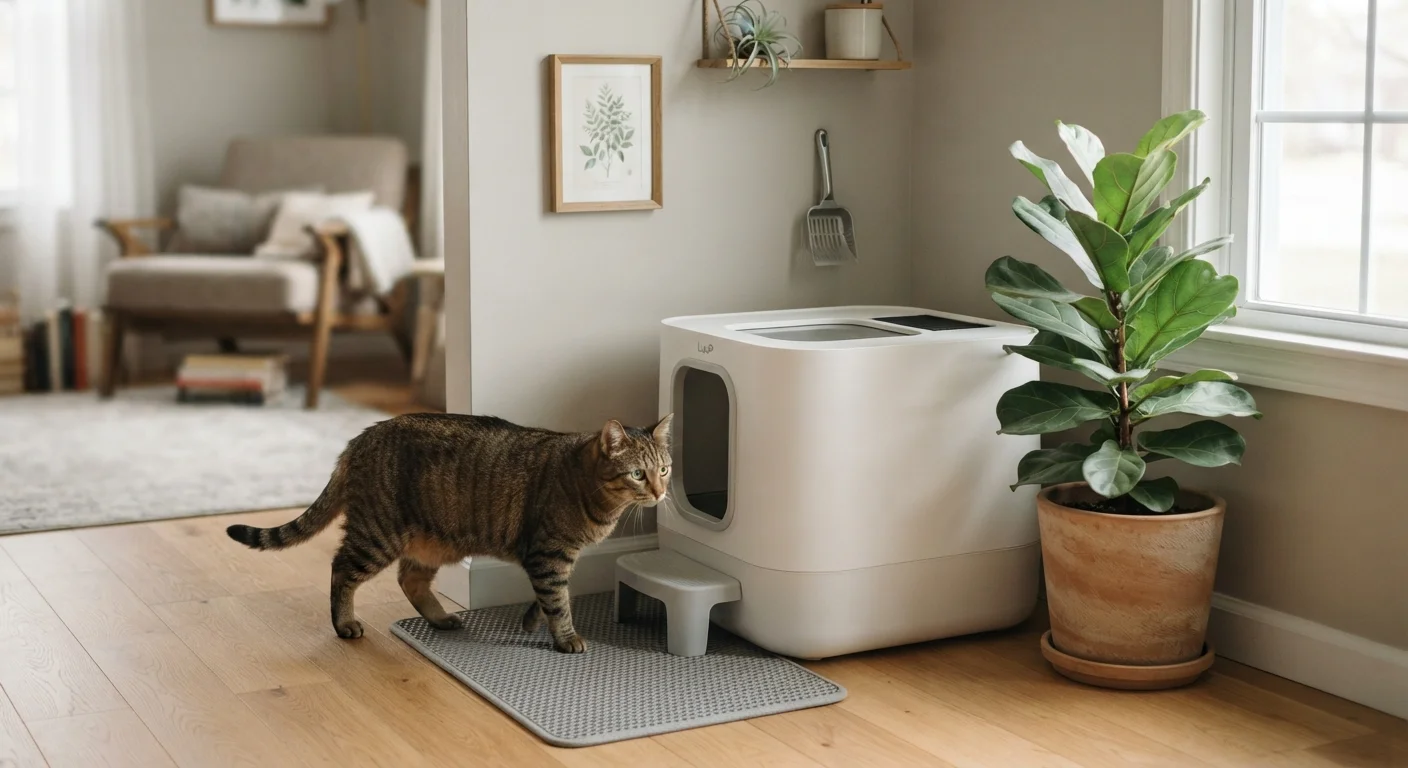
Photo: InsightsTurbo.com | Kickstart Your Knowledge Quest editorial
Key Takeaways
- Cats avoid litter boxes primarily due to cleanliness, placement, or litter type — not spite.
- The general rule is one litter box per cat, plus one extra, placed in separate locations.
- Covered boxes can trap odors and feel threatening to cats despite seeming more convenient for owners.
- A sudden change in litter box habits can signal a health issue and warrants a vet visit.
Why Cats Stop Using the Litter Box
Litter box avoidance is one of the most common behavioral complaints among cat owners — and one of the most misunderstood. Cats aren't being difficult or vindictive when they eliminate outside the box. They're responding to something in their environment that feels wrong to them.
The good news: most litter box problems are fixable once you identify the underlying cause. Whether you're setting up for a new kitten or troubleshooting with an existing cat, the setup decisions you make have a direct effect on whether your cat reliably uses the box. Below are the most common mistakes — and how to correct them.
Not scooping frequently enough.
Not having enough litter boxes for the number of cats.
Placing the litter box in a high-traffic or noisy location.
Using a covered or enclosed litter box without considering the cat's preference.
Switching litter types without a gradual transition.
Using strongly scented litter or cleaning products near the box.
When the Problem Might Be Medical
Not all litter box avoidance is a setup issue. If your cat suddenly stops using the box — especially if they're straining, crying, or producing very small amounts of urine — that warrants a prompt call to your veterinarian. Urinary tract infections, bladder stones, and feline idiopathic cystitis are all conditions that can cause a cat to associate the box with pain and avoid it as a result.
Sudden Changes in Litter Habits Require a Vet Visit
Once medical causes are ruled out, behavioral and environmental factors are the logical next focus. If you have multiple cats and aren't sure whether the problem is territorial, our guide on adding a second cat covers how litter box dynamics shift in multi-cat households.
~10%
Cats affected by house soiling issues
Estimates from veterinary behavior literature suggest roughly 10% of cats will exhibit elimination outside the litter box at some point in their lives.
1 in 3
Cat relinquishments tied to litter box problems
Litter box avoidance is cited as one of the leading behavioral reasons cats are surrendered to shelters, according to animal welfare researchers.
Getting the basics right — cleanliness, quantity, placement, and litter type — resolves the majority of non-medical litter box issues. Cats are creatures of habit and preference, and a box that consistently meets their standards is one they'll consistently use.
The content provided on our blog site traverses numerous categories, offering readers valuable and practical information. Readers can use the editorial team’s research and data to gain more insights into their topics of interest. However, they are requested not to treat the articles as conclusive. The website team cannot be held responsible for differences in data or inaccuracies found across other platforms. Please also note that the site might also miss out on various schemes and offers available that the readers may find more beneficial than the ones we cover.