
Getting a Second Cat: What Changes and What People Don't Anticipate

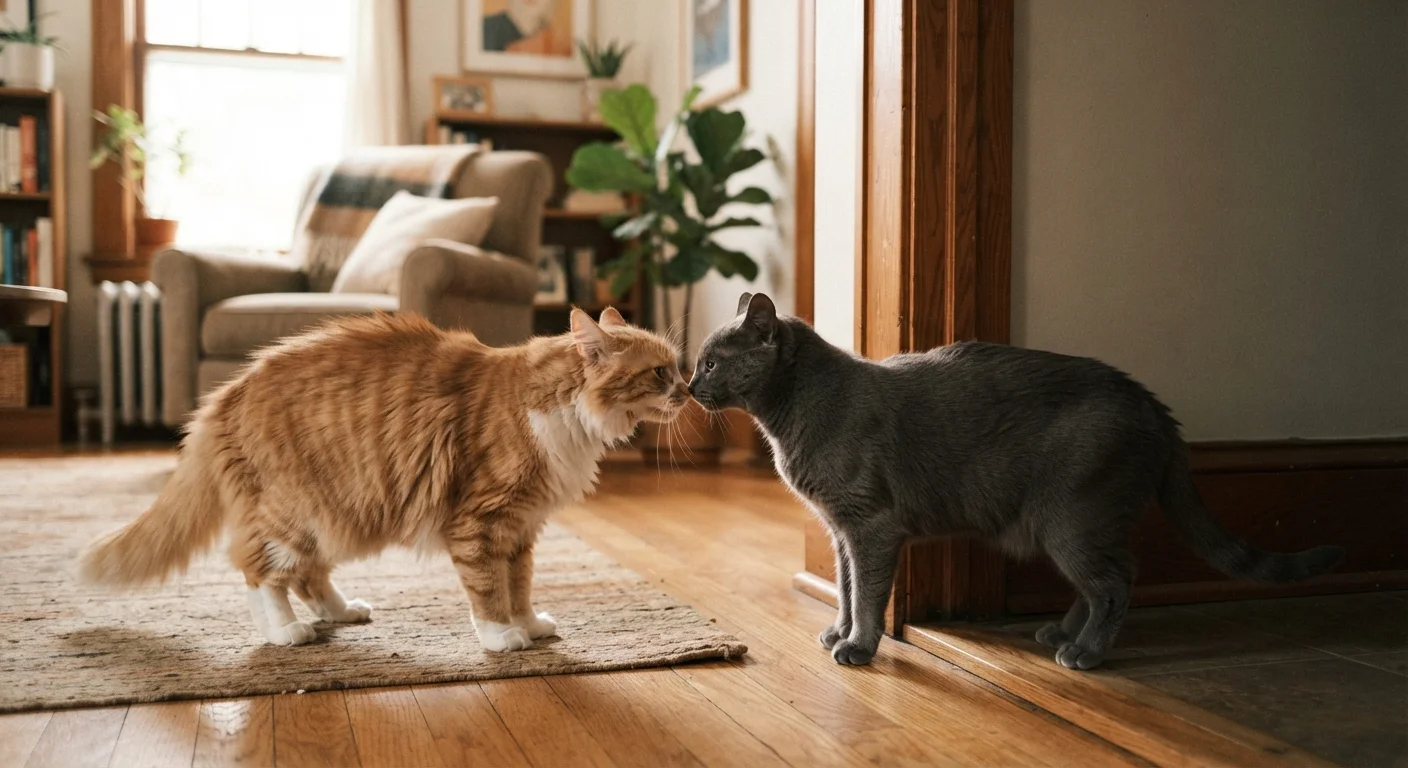
Photo: InsightsTurbo.com | Kickstart Your Knowledge Quest editorial
Key Takeaways
- Cats are territorial animals; a second cat almost always triggers an adjustment period that can last weeks or months.
- A slow, structured introduction is the single biggest factor in whether two cats will coexist peacefully.
- You'll need one litter box per cat plus one extra — skipping this step is a common and costly mistake.
- Some cats genuinely prefer living alone; your resident cat's personality matters as much as the newcomer's.
- Veterinary costs, food, and supplies roughly double, so budget accordingly before adopting.
Built-in companionship reduces feline boredom
Cats left alone for long stretches can develop stress-related behaviors. A compatible second cat provides social stimulation that toys and enrichment alone can't fully replicate.
Cats can learn social behaviors from each other
Younger cats especially benefit from watching an established cat navigate the household — from using the litter box consistently to responding calmly to everyday sounds.
Play outlet that doesn't rely on owner availability
Cats are crepuscular, meaning they're most active at dawn and dusk — often when owners are sleeping. A second cat gives them a play partner during those natural activity windows.
Can ease separation anxiety in social cats
Some cats become overly dependent on their owners when left alone. A feline companion can reduce stress-related vocalization and destructive behavior during work hours.
Territorial conflict can last weeks or months
Even after a proper introduction, resource guarding, blocking, and intermittent hissing can persist for a long time. Not every pair reaches genuine friendship — peaceful coexistence is also a valid outcome.
Veterinary costs effectively double
Two cats mean two annual wellness exams, two sets of vaccinations, potential spay/neuter costs, and double the risk of illness or injury. This adds up significantly over a cat's lifespan.
Stress can trigger health issues in the resident cat
Feline idiopathic cystitis (a common stress-related bladder condition) and upper respiratory infections can flare during high-stress periods, including a poorly managed introduction.
Personality mismatches are common and hard to predict
Age, energy level, and prior socialization history all affect compatibility. A senior cat paired with a high-energy kitten may experience chronic stress rather than companionship.
Litter box logistics become significantly more complex
Multi-cat households require more boxes in more locations, more frequent cleaning, and careful monitoring for changes in elimination habits that signal stress or illness.
Why Adding a Second Cat Is More Complex Than It Looks
Most people imagine a second cat arriving and quickly becoming best friends with their resident cat. The reality is more nuanced. Cats are fundamentally territorial animals — unlike dogs, they don't have an instinct to welcome a stranger into their space. What you're really doing when you adopt a second cat is asking your resident cat to share something they consider entirely theirs.
Understanding how cats form social bonds helps set realistic expectations. Cats can and do form meaningful relationships with other cats, but those relationships develop slowly and on the cats' own terms. Rushing the process — or misreading early tension as permanent incompatibility — are the two most common mistakes new multi-cat owners make.
Before committing, it's worth asking honestly: does your current cat actually want company? Some cats display clear signs of understimulation, such as increased vocalization, destructive behavior, or over-grooming. Others are simply private animals who thrive solo. If you're unsure, our guide to keeping a single cat mentally stimulated is worth reading first — it may solve the problem without adding a second animal.
The Pros of Getting a Second Cat
When it works, a two-cat household offers genuine benefits for both the animals and the owner.
Built-in companionship reduces feline boredom
Cats left alone for long stretches can develop stress-related behaviors. A compatible second cat provides social stimulation that toys and enrichment alone can't fully replicate.
Cats can learn social behaviors from each other
Younger cats especially benefit from watching an established cat navigate the household — from using the litter box consistently to responding calmly to everyday sounds.
Play outlet that doesn't rely on owner availability
Cats are crepuscular, meaning they're most active at dawn and dusk — often when owners are sleeping. A second cat gives them a play partner during those natural activity windows.
Can ease separation anxiety in social cats
Some cats become overly dependent on their owners when left alone. A feline companion can reduce stress-related vocalization and destructive behavior during work hours.
2–4 weeks
Typical cat introduction timeline
Animal behaviorists generally recommend a minimum two-to-four week gradual introduction protocol before allowing unsupervised access between cats.
N+1
Recommended litter boxes for N cats
The widely cited guideline among veterinary professionals is one litter box per cat plus one additional box, placed in separate locations throughout the home.
The Cons and What Most People Don't Anticipate
The challenges of a second cat aren't reasons to avoid one — but they are reasons to prepare. The most overlooked friction points tend to be logistical rather than emotional.
Territorial conflict can last weeks or months
Even after a proper introduction, resource guarding, blocking, and intermittent hissing can persist for a long time. Not every pair reaches genuine friendship — peaceful coexistence is also a valid outcome.
Veterinary costs effectively double
Two cats mean two annual wellness exams, two sets of vaccinations, potential spay/neuter costs, and double the risk of illness or injury. This adds up significantly over a cat's lifespan.
Stress can trigger health issues in the resident cat
Feline idiopathic cystitis (a common stress-related bladder condition) and upper respiratory infections can flare during high-stress periods, including a poorly managed introduction.
Personality mismatches are common and hard to predict
Age, energy level, and prior socialization history all affect compatibility. A senior cat paired with a high-energy kitten may experience chronic stress rather than companionship.
Litter box logistics become significantly more complex
Multi-cat households require more boxes in more locations, more frequent cleaning, and careful monitoring for changes in elimination habits that signal stress or illness.
Age and Energy Level Compatibility Matters
Litter box dynamics are one of the most underestimated issues. The standard recommendation is one box per cat, plus one extra. So two cats means three boxes, ideally in different locations. Failing to provide adequate litter box access is one of the leading causes of inappropriate elimination in multi-cat homes. For a deeper look at what goes wrong, see our article on litter box mistakes that make cats go elsewhere.
How to Introduce Two Cats Properly
The introduction protocol isn't optional — it's the foundation of whether the relationship succeeds. Here's the approach most animal behaviorists recommend:
- Separate spaces first. Keep the new cat confined to one room for at least the first week. This lets both cats get used to each other's scent without direct confrontation.
- Scent swapping. Exchange bedding between the two cats before they ever see each other. Feed them on opposite sides of a closed door so they associate each other's scent with something positive.
- Controlled visual access. Use a cracked door or baby gate before allowing face-to-face contact.
- Supervised meetings. First direct meetings should be brief, distraction-rich (toys, treats), and end before tension escalates.
The full process typically takes two to four weeks, though some cats need longer. Hissing and posturing during early introductions is normal — outright fighting or prolonged hiding is a sign to slow down. For more context on how trust builds over time, see the broader first-time cat owner reference guide.
The content provided on our blog site traverses numerous categories, offering readers valuable and practical information. Readers can use the editorial team’s research and data to gain more insights into their topics of interest. However, they are requested not to treat the articles as conclusive. The website team cannot be held responsible for differences in data or inaccuracies found across other platforms. Please also note that the site might also miss out on various schemes and offers available that the readers may find more beneficial than the ones we cover.