
New Dog Owner Pitfalls That Make the First Year Harder Than It Needs to Be

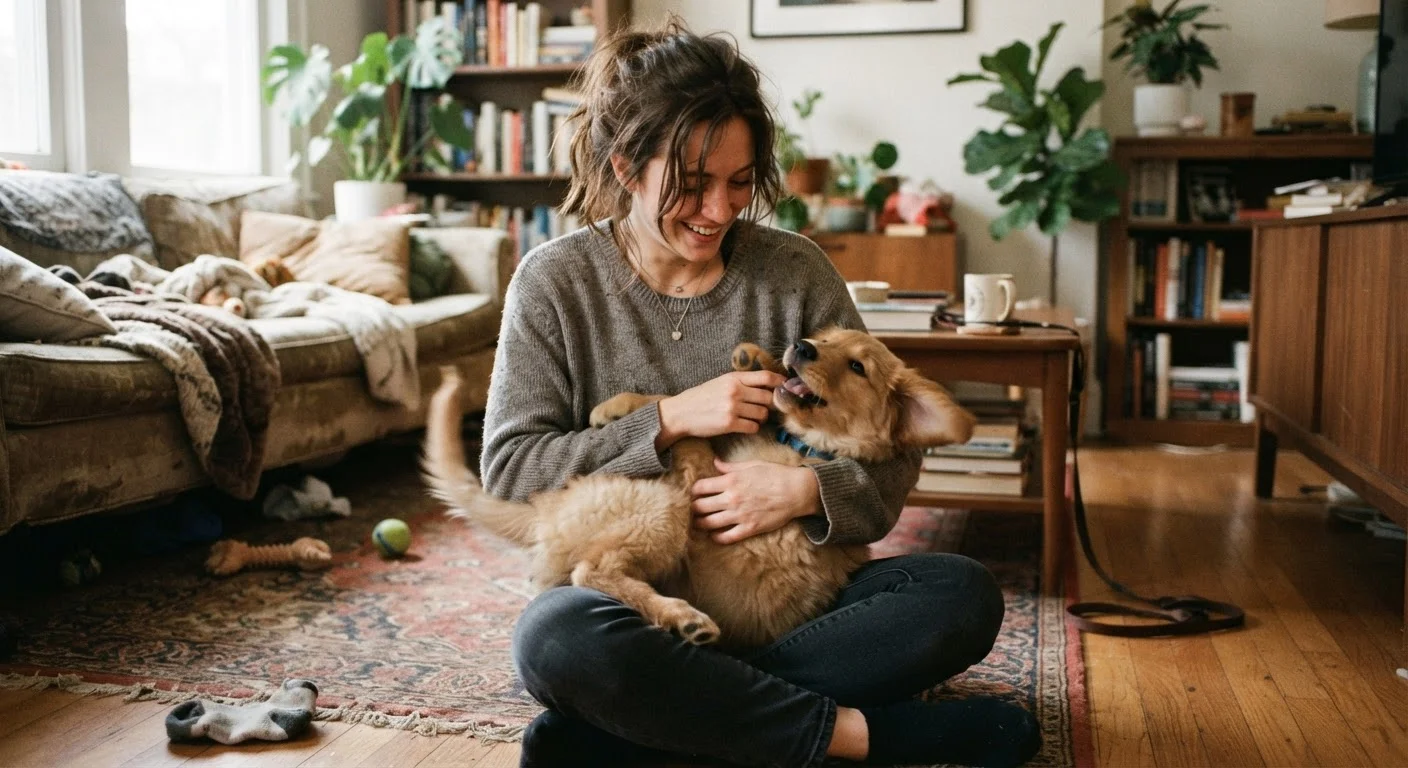
Photo: InsightsTurbo.com | Kickstart Your Knowledge Quest editorial
Key Takeaways
- Inconsistent rules from day one create confusion that takes months to undo.
- Missing the socialisation window before 14 weeks can affect a dog's behaviour long-term.
- Skipping early vet visits and puppy classes costs more to fix later than to prevent.
- Dogs need mental stimulation alongside physical exercise — boredom drives destructive behaviour.
- Feeding habits set in the first year have a direct impact on long-term weight and health.
Why the First Year Sets the Foundation
Dogs are creatures of habit, and the habits they form in their first year tend to stick. Behaviours that seem minor — jumping up to greet people, pulling on the leash, resource guarding over food — are far easier to redirect at eight weeks than at eight months. That's not meant to create pressure; it's meant to frame the opportunity.
Most first-year mistakes don't come from carelessness. They come from gaps in information: not knowing what to prioritise, underestimating how quickly habits form, or assuming problems will sort themselves out with time. Our guide on what first-time owners wish they'd known earlier covers some of those honest lessons in depth. This article focuses specifically on the missteps that are easiest to avoid — once you know to look for them.
The Socialisation Window Closes Fast
The Most Common Pitfalls — and How to Sidestep Them
The mistakes below aren't about failing your dog. They're about the natural learning curve of new ownership, and each one has a straightforward fix.
Applying rules inconsistently across household members.
Skipping or delaying socialisation during the critical early weeks.
Treating every unwanted behaviour as a discipline problem rather than a communication signal.
Relying solely on walks and assuming that covers a dog's enrichment needs.
Overfeeding and using treats without tracking overall calorie intake.
Avoiding the vet until something goes wrong.
3–14 weeks
Critical puppy socialisation window
Veterinary behaviourists widely recognise this as the primary sensitive period for social development in dogs.
~56%
Dogs estimated to be overweight in the US
According to the Association for Pet Obesity Prevention, more than half of US dogs are classified as overweight or obese.
For a detailed look at what the very first weeks should include, our breakdown of puppy needs in the first 30 days offers a structured guide to health, sleep, and feeding priorities.
Overfeeding Is Easier Than You Think
Building Confidence as You Go
First-time dog ownership is a process of continuous adjustment, and getting things slightly wrong early on doesn't set anything in stone. Dogs are resilient and highly responsive to consistency — even owners who start out inconsistent can rebuild clearer expectations over time.
What matters most is a willingness to observe, ask questions, and course-correct. Lean on your vet, take a puppy class if you can, and resist the pressure to have everything figured out immediately. The investment you make in the first year — in training, socialisation, nutrition, and routine — pays off in a calmer, more confident dog for the decade-plus ahead.
This article is for general informational purposes only and is not a substitute for professional veterinary advice. Always consult a qualified veterinarian regarding your dog's individual health and care needs.
The content provided on our blog site traverses numerous categories, offering readers valuable and practical information. Readers can use the editorial team’s research and data to gain more insights into their topics of interest. However, they are requested not to treat the articles as conclusive. The website team cannot be held responsible for differences in data or inaccuracies found across other platforms. Please also note that the site might also miss out on various schemes and offers available that the readers may find more beneficial than the ones we cover.