
Why Your Fish Keep Dying (And What's Actually Going Wrong)

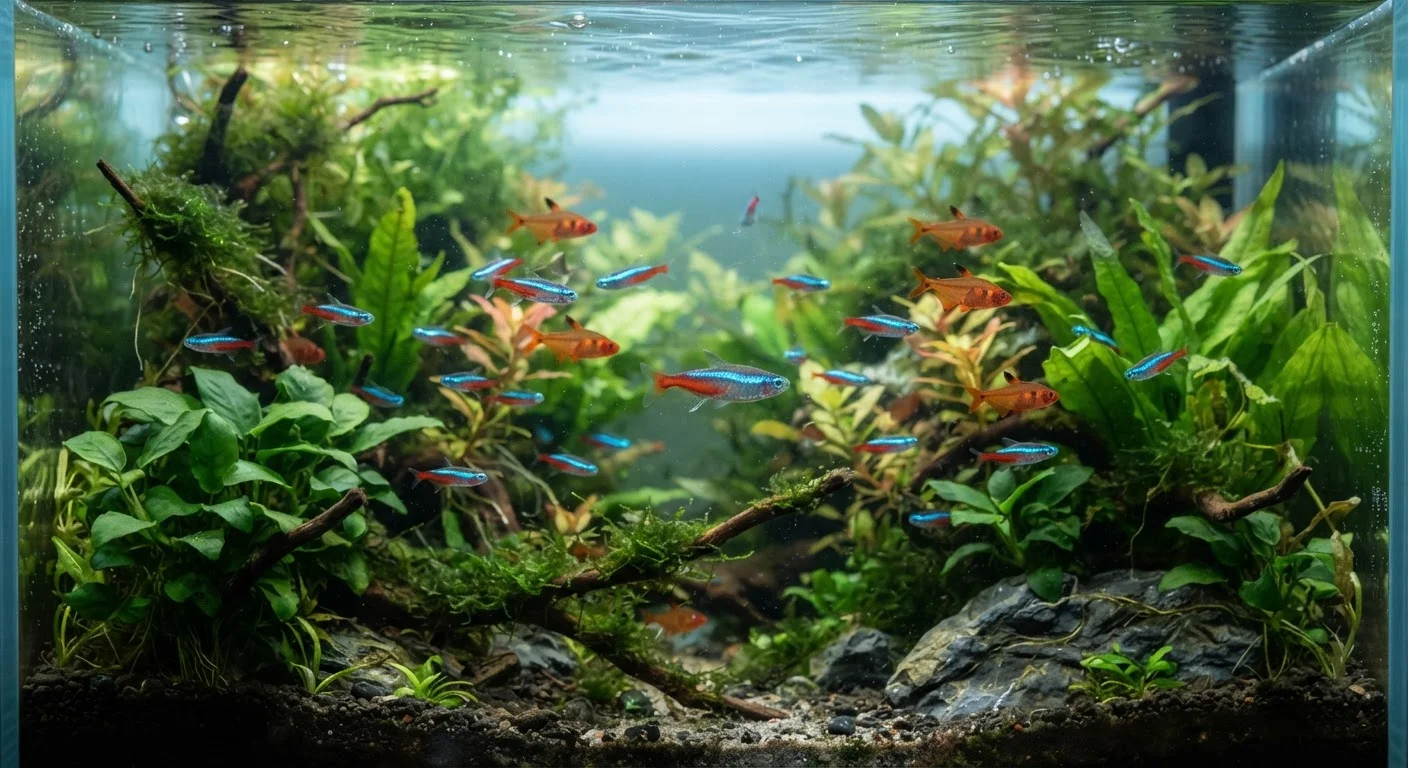
Photo: InsightsTurbo.com | Kickstart Your Knowledge Quest editorial
Key Takeaways
- The nitrogen cycle is the single most important concept for new fish keepers to understand.
- Overfeeding is one of the most common — and easily avoided — causes of fish death.
- Tap water must be treated before it's safe for fish; chlorine is toxic to them.
- Most fish deaths are preventable once you understand what's actually going wrong.
- An overstocked tank creates water quality problems that no filter can fully fix.
The Real Reason Beginner Fish Don't Survive
If your fish keep dying and you can't figure out why, you're not alone — and it's almost certainly not bad luck. The vast majority of beginner fish losses come down to a short list of common, fixable mistakes. The problem is that fish don't show obvious symptoms until things have already gone seriously wrong, which makes the cause hard to trace after the fact.
Understanding what's happening beneath the surface — literally — is the key to keeping fish alive. Much of it comes down to water chemistry, which is invisible but critical. Fish don't breathe air; they live immersed in their environment 24 hours a day. Any instability in that environment affects them immediately and persistently.
It's also worth questioning some assumptions you might have about fish being simple pets. As we explore in common small pet myths, fish are frequently underestimated — they have specific needs that don't disappear just because a tank looks calm and clean.
New Tank Syndrome Is a Real Danger
The Most Common Mistakes (And How to Fix Them)
The errors below are responsible for the overwhelming majority of beginner fish deaths. Most are easy to correct once you know what to look for.
Skipping the nitrogen cycle before adding fish.
Overfeeding, which pollutes the water and depletes oxygen.
Using untreated tap water directly in the tank.
Overstocking the tank with too many fish.
Performing large or too-frequent water changes that stress fish.
Ignoring temperature stability and heater requirements.
4–6 weeks
Time needed to fully cycle a new tank
Aquarium biology resources consistently cite this window for beneficial bacteria populations to stabilize in a new freshwater setup.
~2 minutes
Max feeding window to prevent overfeeding
Fishkeeping guides broadly recommend feeding only what fish consume within two minutes as a practical overfeeding safeguard.
Taken together, these mistakes share a common thread: they all involve disrupting the fragile chemical and biological balance that a healthy tank depends on. The good news is that once you stabilize that balance, fish are genuinely resilient.
Don't Treat All Fish as Low-Maintenance
Building Habits That Keep Fish Alive Long-Term
Keeping fish successfully isn't about doing more — it's about doing the right things consistently. A simple weekly routine covers most of what you need: check the temperature, do a 20–30% water change with treated water, and observe your fish for unusual behavior or appearance. These few steps catch problems early, before they become fatal.
Invest in a basic liquid test kit that measures ammonia, nitrite, nitrate, and pH. Test strips are less accurate and can give false reassurance. Testing takes about five minutes and removes the guesswork from diagnosing problems.
When something does go wrong, resist the urge to over-correct. Drastic interventions — massive water changes, adding multiple chemical treatments at once — often cause more harm than the original problem. Diagnose first, act incrementally, and give the tank time to stabilize between adjustments.
This article is for general informational purposes only. For species-specific care or disease diagnosis, consult a veterinarian with aquatic animal experience or a knowledgeable aquarium specialist.
The content provided on our blog site traverses numerous categories, offering readers valuable and practical information. Readers can use the editorial team’s research and data to gain more insights into their topics of interest. However, they are requested not to treat the articles as conclusive. The website team cannot be held responsible for differences in data or inaccuracies found across other platforms. Please also note that the site might also miss out on various schemes and offers available that the readers may find more beneficial than the ones we cover.