
Small Pet Myths That New Owners Believe Too Often

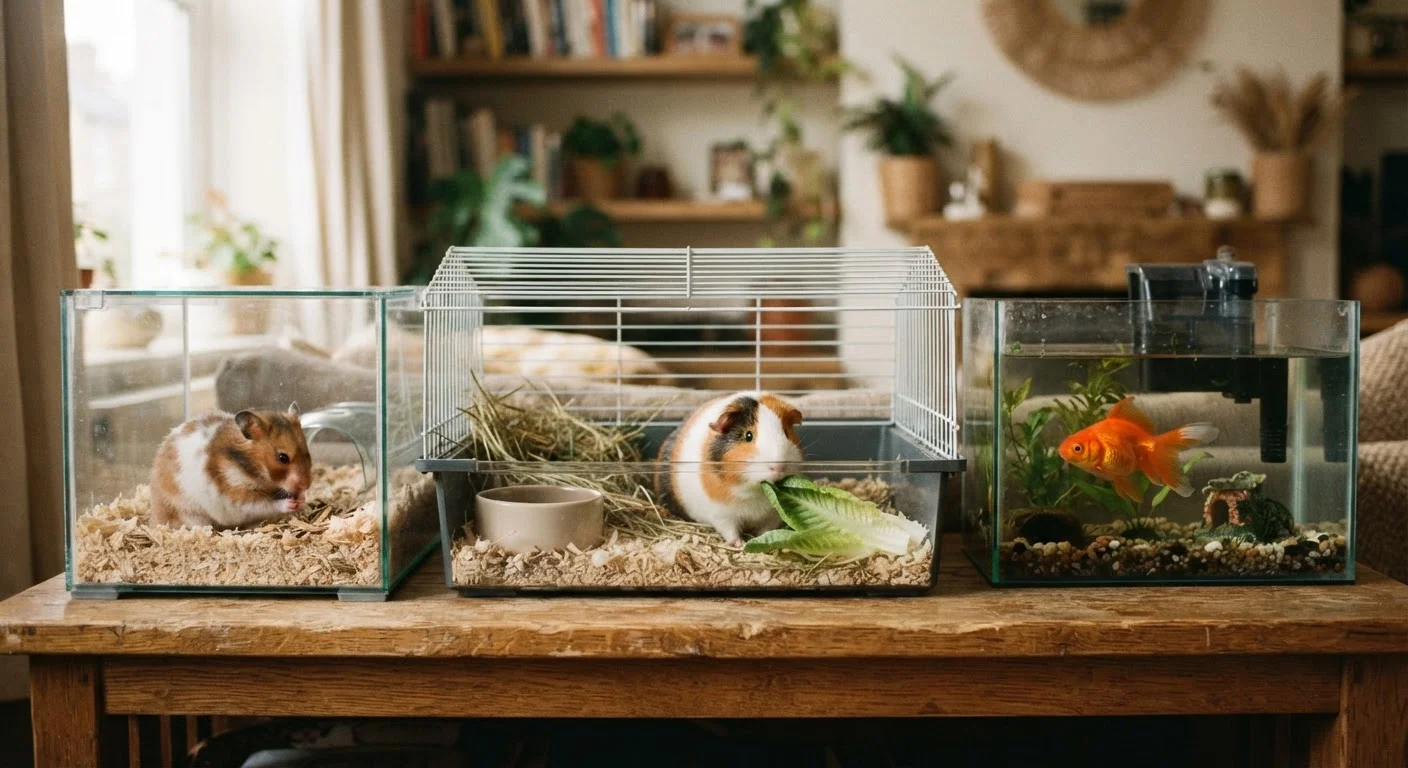
Photo: InsightsTurbo.com | Kickstart Your Knowledge Quest editorial
Key Takeaways
- Hamsters are crepuscular, not strictly nocturnal, and still need regular gentle interaction from owners.
- Fish can form associative memories and recognize feeding patterns — the '3-second memory' claim is false.
- Guinea pigs are social animals that typically suffer when housed alone long-term.
- Rabbits are not low-maintenance starter pets; they require spacious housing, a specialist vet, and daily attention.
- Small pets still need veterinary care, even though finding an exotic animal vet takes more planning.
- Cage size directly affects a small pet's physical and mental health — bigger is almost always better.
Why These Myths Stick
Small pets — hamsters, guinea pigs, rabbits, fish — are frequently marketed as easy, hands-off companions. That framing is convenient for a quick sale, but it plants misconceptions that lead to real welfare problems. New owners end up confused when their "simple" pet seems stressed, gets sick, or behaves in ways the packaging didn't mention.
Most myths about small animals boil down to three things: underestimating their social and cognitive needs, overestimating how little space they require, and assuming that "small" automatically means "cheap to care for." See our honest look at what low-maintenance actually means for a fuller picture before choosing a species.
Myth
Hamsters are nocturnal, so they don't need much human interaction — they're awake when you're asleep anyway.
Fact
Hamsters are actually crepuscular, meaning they're most active at dawn and dusk, and they still benefit from regular, gentle handling.
The nocturnal label gets applied loosely to hamsters, but research suggests they're crepuscular — naturally peaking in activity around twilight hours. More importantly, activity timing has nothing to do with social needs. Hamsters that are never handled become fearful and harder to interact with over time. Regular, calm handling from an early age helps them habituate to human contact, which makes routine care (cleaning, health checks) much less stressful for both animal and owner. See how Syrian and dwarf hamsters differ in temperament — the species matters here.
Myth
Fish have a 3-second memory, so the quality of their environment doesn't matter.
Fact
Fish can retain memories for months and are capable of associative learning — the 3-second claim is a popular myth with no scientific basis.
Studies have demonstrated that fish can learn to associate signals with feeding times, navigate mazes, and recognize familiar individuals over extended periods. The 3-second memory figure has no credible scientific origin. This matters practically: a fish in a poorly maintained, understimulating tank can show signs of chronic stress. Water quality, tank size, and appropriate tank mates all affect fish welfare in measurable ways. If your fish keep dying, the environment — not bad luck — is usually the cause. Our guide on why fish die and what's actually going wrong explains the most common factors.
Myth
Guinea pigs are fine being kept alone — they're small animals and don't need companionship.
Fact
Guinea pigs are highly social animals that can experience chronic stress when housed alone for long periods.
In the wild, guinea pigs live in groups and rely on social bonds for safety and comfort. In captivity, a solitary guinea pig without adequate daily interaction from its owner can display signs of stress — reduced activity, over-grooming, or persistent vocalization. Many animal welfare organizations recommend housing guinea pigs in same-sex pairs or small groups where possible, with proper introductions. If you're considering a single guinea pig, be realistic about how much daily hands-on time you can reliably provide.
Myth
Rabbits are great starter pets for young children because they're gentle and easy to manage.
Fact
Rabbits are complex animals with specific dietary, housing, and veterinary needs that make them a poor match for very young children or truly hands-off owners.
Rabbits require a hay-heavy diet, large and enriched living space, regular grooming (especially long-haired breeds), and a vet experienced with exotic animals — specialist rabbit care is not available at every general practice. They are also prey animals that can become injured if handled roughly or dropped, which is a real risk with young children. Rabbits can live 8–12 years, making them a long-term commitment. For a balanced view of what rabbit ownership genuinely involves, see the rewarding parts and realities of rabbit ownership.
Myth
Small pets don't need vet visits — they're too cheap to justify the cost of a checkup.
Fact
All pets, including small animals, benefit from routine veterinary oversight, and some conditions become serious — and expensive — if caught late.
Small animals are prey species that instinctively mask signs of illness. By the time obvious symptoms appear, a health issue may already be advanced. Finding a vet with experience in exotic or small-animal medicine before you need one urgently is important — not every general practice sees rabbits, guinea pigs, or hamsters regularly. Unexpected vet bills are one of the most common surprises new small pet owners report. The lessons first-time owners wish they'd known earlier covers this in detail. Also learn to recognize signs that a small pet may be stressed or unwell so you can act early.
Myth
A small cage is fine for a small pet — they don't move around that much.
Fact
Most small animals are far more active than their enclosures suggest, and undersized housing is a leading cause of stress-related behavioral problems.
Hamsters in the wild can run several miles per night. Guinea pigs need floor space to roam, not just stand. Rabbits need room to stretch fully and perform natural movement — including running. Standard pet-store cage sizes are frequently too small to meet even minimum welfare guidelines. Cramped conditions contribute to stereotypies (repetitive behaviors like bar-chewing or circling), aggression, and physical health problems. When setting up housing, research species-appropriate minimums from veterinary or animal welfare sources rather than relying on what fits the product packaging.
Getting Care Right From the Start
Correcting these myths isn't about discouraging you from keeping small pets — it's about setting you up to do it well. Animals whose needs are understood from day one are healthier, less stressed, and far more rewarding to keep. The difference between a guinea pig that hides constantly and one that vocalizes and approaches you usually comes down to husbandry decisions made in the first few weeks.
Small Pets Still Need Exotic-Savvy Vets
If you're still choosing between species, the practical species comparison guide walks through space, time, and budget demands honestly. And for a quick-reference overview of lifespan, temperament, and vet needs, the small pet care demands at a glance is worth bookmarking.
Small pets may be small, but the commitment to their care is real. Going in with accurate expectations is the single best thing a new owner can do — for themselves and for the animal.
This article is for general informational purposes only and does not constitute veterinary advice. If you have concerns about a pet's health or behavior, consult a qualified veterinarian experienced with exotic or small animals.
The content provided on our blog site traverses numerous categories, offering readers valuable and practical information. Readers can use the editorial team’s research and data to gain more insights into their topics of interest. However, they are requested not to treat the articles as conclusive. The website team cannot be held responsible for differences in data or inaccuracies found across other platforms. Please also note that the site might also miss out on various schemes and offers available that the readers may find more beneficial than the ones we cover.