
The Myths About Travelling Solo That Put People Off Trying It

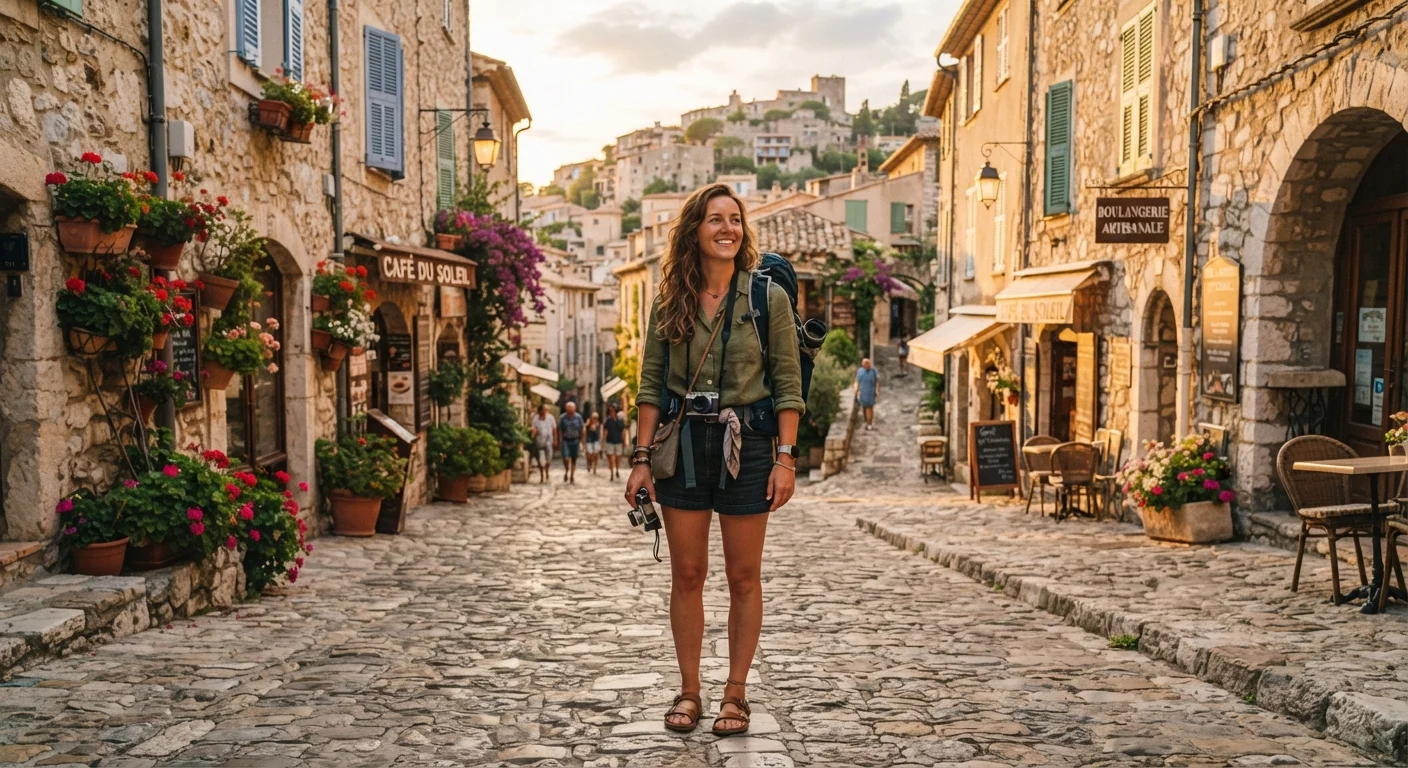
Photo: InsightsTurbo.com | Kickstart Your Knowledge Quest editorial
Key Takeaways
- Solo travel is not inherently more dangerous than group travel when common-sense precautions are followed.
- Loneliness is rarely the reality; most solo travelers report meeting more people than when traveling in groups.
- Solo trips can be structured to fit a wide range of budgets, including modest ones.
- Women, introverts, and first-time travelers all successfully do solo trips regularly.
- Flexible planning — not rigid itineraries — is one of solo travel's biggest practical advantages.
Why These Myths Stick Around
Solo travel has a PR problem. Sensational travel horror stories spread fast online, while millions of uneventful — or genuinely transformative — solo trips go undocumented. The result is a distorted picture that keeps curious travelers on the sidelines longer than necessary. Most misconceptions about solo travel cluster around three fears: safety, loneliness, and cost. All three deserve honest scrutiny rather than dismissal or exaggeration.
It's also worth noting that the myths aren't entirely baseless — they often contain a grain of truth stretched beyond its actual scope. Understanding where the concern is valid, and where it isn't, is more useful than blanket reassurance.
Myth
Solo travel is far more dangerous than traveling with others.
Fact
Risk level depends more on destination choice, situational awareness, and preparation than on group size.
The fear that traveling alone automatically means traveling unsafely is one of the most persistent myths out there. In reality, danger is context-dependent. A solo traveler who researches local customs, registers with their government's travel advisory system, keeps digital copies of documents, and stays alert is often better prepared than an inattentive group. Groups can create a false sense of security that leads to careless decisions. That said, risks do vary by destination — always check current government travel advisories before booking. See practical solo travel safety habits for evidence-backed strategies that actually reduce real risks.
Myth
You'll be lonely the entire time traveling alone.
Fact
Solo travelers frequently report connecting with more people — locals and fellow travelers — than they do when traveling in groups.
Traveling with others creates a social bubble that can unintentionally shut out the very experiences people travel for. When you're alone, you're more approachable and more likely to approach others. Hostel common rooms, guided day tours, cooking classes, language exchanges, and even coffee shop conversations become genuine opportunities. Loneliness can surface on solo trips — that's honest — but it's typically brief and often gives way to a sense of independence that travelers describe as unexpectedly rewarding. For a deeper look at how solo and group dynamics compare, check out solo vs. group travel planning differences.
Myth
Solo travel is expensive because you can't split costs.
Fact
While the single-supplement surcharge is a real cost on some tours and cruises, many solo travel formats — hostels, solo-friendly tours, slow travel — are highly cost-effective.
Yes, you can't split a hotel room. But solo travelers have full control over where their money goes. Choosing hostels, guesthouses, or apartment rentals for longer stays often undercuts the per-person cost of group travel with its built-in markups. Slow travel — staying somewhere for a week or more — dramatically reduces daily transport and activity costs. Budget frameworks built around solo travel can be surprisingly lean. The key is planning with realistic numbers rather than assuming the worst. Currency exchange myths are another area where assumptions cost travelers money unnecessarily.
Myth
Solo travel is only for extroverts who thrive on constant social interaction.
Fact
Introverts often describe solo travel as ideal precisely because they control the pace and social exposure entirely.
Solo travel doesn't mean you're obligated to be "on" at all times. You choose when to seek company and when to recharge quietly in a museum, a café, or a park. Introverts frequently find that the autonomy of solo travel — no group consensus required, no compromise on how long to linger somewhere — suits their temperament better than coordinated group trips. The travel style you pick matters too: city breaks versus slow travel offer very different social intensities, and solo travelers can choose whichever fits their energy.
Myth
First-time travelers should never start with a solo trip.
Fact
Many experienced travelers say their first solo trip — even if modest in scope — accelerated their confidence and practical skills faster than any group experience.
There's no rule requiring you to have group travel experience before going solo. Starting with a short, lower-complexity trip — a weekend in a nearby city, a well-connected destination with solid tourism infrastructure — builds skills incrementally. You learn how to navigate airports, read transit maps, manage your own schedule, and problem-solve on the fly. These are skills that make every subsequent trip easier, solo or otherwise. The trip planning hub is a solid starting point for building your first solo itinerary from scratch.
What Solo Travel Actually Looks Like in Practice
The gap between the imagined solo trip and the real one is almost always smaller than first-time travelers expect. Logistics that seem overwhelming — booking accommodation, navigating foreign transit, eating alone at restaurants — become routine within the first couple of days. Most destinations popular with travelers have well-established infrastructure for people moving independently.
Single Supplements Are a Real Cost to Budget For
Planning flexibility is one of solo travel's underrated strengths. Without coordinating around others' schedules, you can extend a stay somewhere that surprises you, skip something that doesn't, or change your itinerary entirely based on a local recommendation. That kind of responsiveness is nearly impossible in a group setting. If you're curious how the planning process actually differs, solo vs. group travel planning breaks it down in practical terms.
The travel tips hub is also worth bookmarking — it covers the kind of on-the-ground habits that make solo trips smoother regardless of destination.
~70%
Solo travelers who are women
Solo Female Travellers, a global travel community, has reported that women now make up the majority of solo travelers booking through solo-focused travel operators.
58%
Travelers open to solo trips
A survey by travel industry research group MMGY Global found that a majority of leisure travelers had either taken or seriously considered a solo trip in recent years.
The content provided on our blog site traverses numerous categories, offering readers valuable and practical information. Readers can use the editorial team’s research and data to gain more insights into their topics of interest. However, they are requested not to treat the articles as conclusive. The website team cannot be held responsible for differences in data or inaccuracies found across other platforms. Please also note that the site might also miss out on various schemes and offers available that the readers may find more beneficial than the ones we cover.