
Why Your Tropical Beach Holiday Didn't Go as Planned

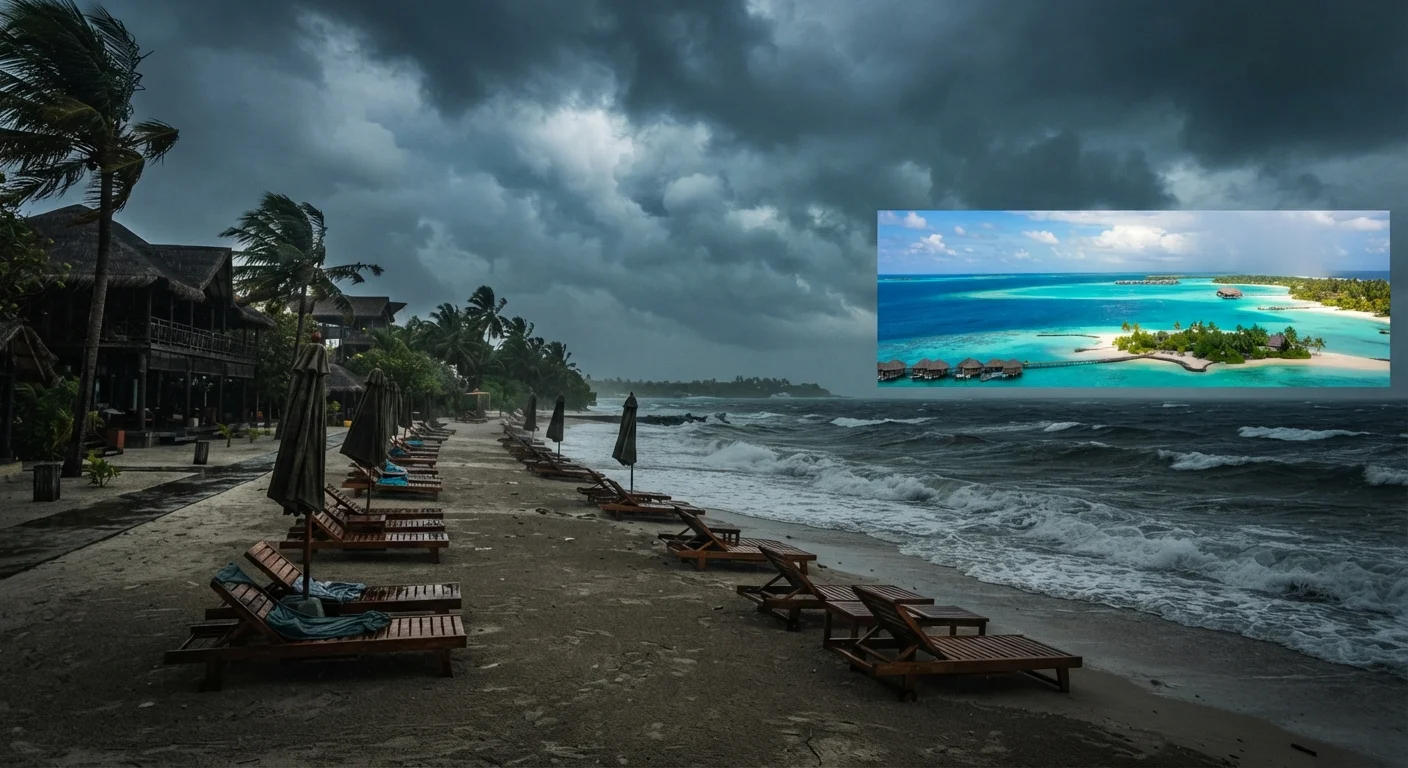
Photo: InsightsTurbo.com | Kickstart Your Knowledge Quest editorial
Key Takeaways
- Booking during rainy season is the single most common reason beach trips disappoint.
- Crowded peak-season resorts often look nothing like their marketing photos.
- Many reef and wildlife experiences require advance research, permits, or seasonal timing.
- Hidden fees and resort charges frequently blindside first-time beach destination travelers.
- Packing the wrong gear or clothing for tropical humidity ruins comfort and activities.
The Setup: Why Beach Trips So Often Miss the Mark
A tropical beach holiday looks bulletproof on a mood board — crystal water, swaying palms, sunset cocktails. Yet a surprising number of these trips end in frustration, sunburn, and blown budgets. The culprit is rarely bad luck. It's almost always a handful of avoidable planning mistakes made weeks or months before departure.
If you've done some initial research but still feel unclear on what could go wrong, you're in exactly the right place. The Trip Planning hub covers the full framework; this article zeroes in on the beach-specific errors that catch people off guard time and again.
Booking during rainy or monsoon season without understanding what that actually means on the ground.
Assuming resort marketing photos accurately represent the beach experience during peak season.
Treating reef snorkeling or marine wildlife encounters as guaranteed activities rather than conditions-dependent experiences.
Ignoring hidden resort fees and overestimating what 'all-inclusive' covers.
Over-scheduling activities across multiple beaches or islands in a single trip.
Planning Gaps That Compound on the Ground
Even travelers who nail their timing can hit friction once they arrive. Two issues that consistently surface: misreading what "all-inclusive" actually covers, and underestimating how physically demanding tropical environments can be when you're shuffling between activities.
Resort Fees Can Add Up Fast
Overcrowding is another underrated problem. A beach that hosts a few dozen visitors in shoulder season can feel like a theme park queue in peak months. For a grounded look at how timing affects the experience — not just the price — see our piece on shoulder vs. peak season travel. If budget blowouts also concern you, the spending patterns covered in why your budget blows up abroad apply strongly to resort destinations.
70%
Travelers who report unmet destination expectations
A commonly cited figure in travel industry surveys suggests the majority of dissatisfied travelers trace disappointment to timing or research gaps rather than on-the-ground incidents.
3–5 months
Typical tropical wet season duration
Most tropical coastal regions experience a wet season lasting three to five months, during which daily rainfall and reduced visibility can significantly impact beach and water activities.
One final note: if your beach trip involves a remote island or off-grid destination, review the pre-trip readiness checklist before booking. Entry logistics, health requirements, and emergency access all deserve attention that glossy resort websites rarely provide.
The content provided on our blog site traverses numerous categories, offering readers valuable and practical information. Readers can use the editorial team’s research and data to gain more insights into their topics of interest. However, they are requested not to treat the articles as conclusive. The website team cannot be held responsible for differences in data or inaccuracies found across other platforms. Please also note that the site might also miss out on various schemes and offers available that the readers may find more beneficial than the ones we cover.