
Useful Factors to Consider When Choosing Between Shoulder and Peak Season Travel

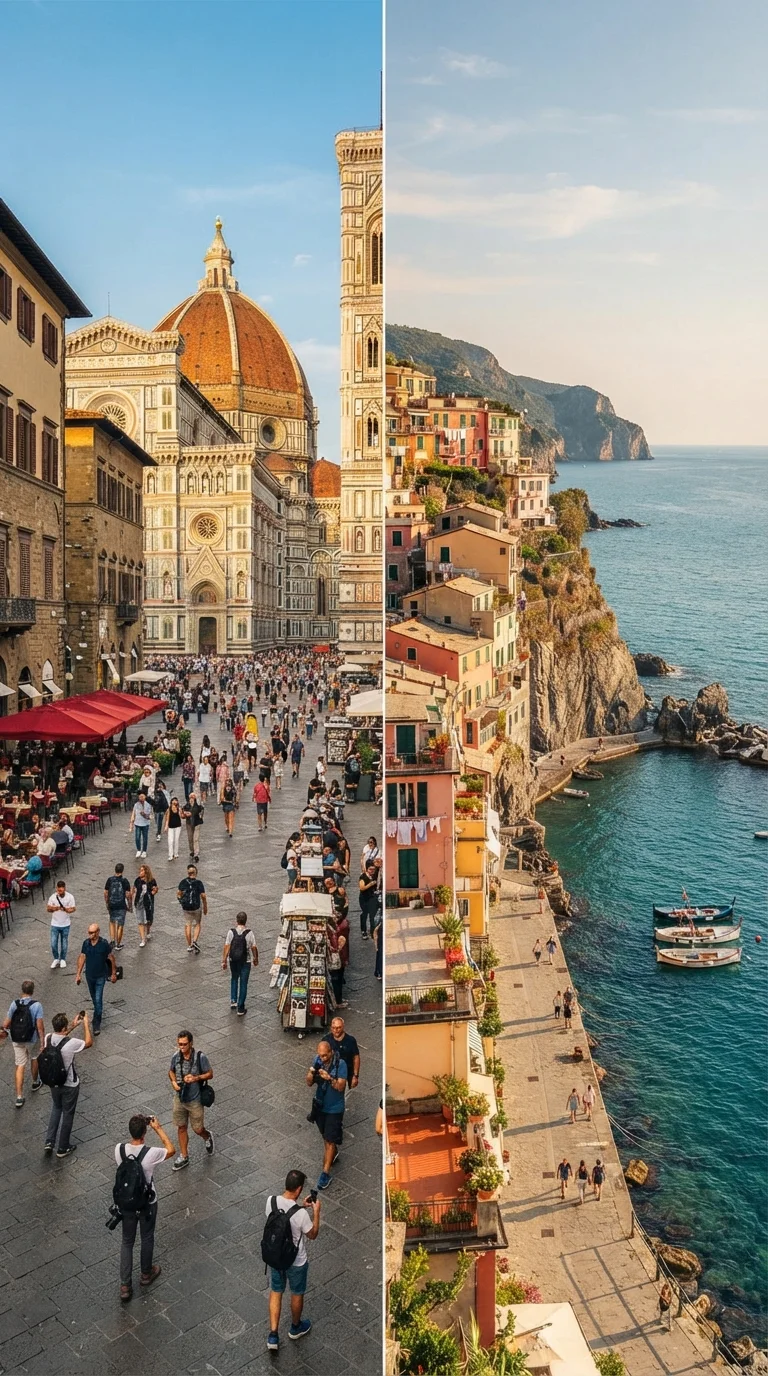
Photo: InsightsTurbo.com | Kickstart Your Knowledge Quest editorial
Key Takeaways
- Peak season delivers ideal weather and full services but typically means higher costs and larger crowds.
- Shoulder season often offers a meaningful balance of pleasant conditions with fewer tourists.
- The right season depends heavily on destination type, not just personal preference.
- Some destinations effectively have no true off-peak period, making timing research essential.
- Flexibility in travel dates is one of the most powerful tools a traveler can have.
Full access to services, tours, and attractions
Peak season ensures the destination is operating at full capacity — guided tours run their complete schedules, seasonal attractions are open, and transportation is maximally available.
Weather reliability for activity-driven trips
If your itinerary is built around a specific outdoor activity or natural event, peak timing usually offers the highest probability of those conditions being in your favor.
Vibrant atmosphere and a lively local scene
Festivals, markets, and cultural events often cluster around peak periods, adding energy and spontaneous experiences that shoulder or off-peak visits may miss entirely.
Better suited to travelers with fixed schedules
Families tied to school calendars and workers with set vacation windows often find peak season to be the most practical choice, regardless of the added cost.
Shoulder season offers significant crowd reduction
Visitor numbers during shoulder periods can drop substantially compared to peak weeks, making popular sites feel genuinely accessible rather than overwhelming.
Pricing tends to ease on accommodation and flights
While savings vary by destination and travel dates, shoulder season generally yields more competitive rates and greater availability across lodging categories.
More authentic local atmosphere
When the tourist-to-local ratio shifts, interactions feel less transactional, local businesses have more time for visitors, and the destination's everyday character comes through more clearly.
Peak season costs can be substantially higher
Flights, hotels, and experiences all trend more expensive during peak periods, sometimes dramatically so for popular destinations with limited accommodation stock.
Crowd management becomes part of the itinerary
Long queues, fully booked restaurants, and shoulder-to-shoulder sightseeing can reduce enjoyment at iconic attractions, even when conditions are otherwise ideal.
Advance booking windows compress flexibility
Popular peak-season accommodation and tours often require reservations months ahead, which can be challenging for spontaneous or last-minute planners.
Shoulder season services can be reduced or unavailable
Smaller operators, seasonal restaurants, and some ferry or transport routes may operate on reduced schedules or close entirely outside the main tourist window.
Weather is less predictable in transitional periods
Shoulder season sits at the margins of optimal conditions, meaning rain, cooler temperatures, or variable weather is more likely than during established peak periods.
Some destinations have no meaningful shoulder period
Highly concentrated tourist destinations or those with very short viable travel windows may jump from peak directly to low season, offering little middle ground.
What Peak and Shoulder Seasons Actually Mean
Travel seasons aren't arbitrary labels — they reflect the intersection of weather patterns, local holidays, school calendars, and historical visitor demand. Peak season is the period when a destination receives its highest volume of tourists, usually aligned with the most favorable or iconic weather. Think European beach towns in July and August, or US ski resorts in late December through February.
Shoulder season is the transitional window just before or after peak — conditions are often nearly as good, but crowds thin noticeably and prices tend to ease. A Mediterranean coastal city in late May or early October is a classic example: warm enough to enjoy, but without the summer surge.
Understanding where a destination falls in its own seasonal cycle matters more than following a generic calendar. For a deeper look at how this plays out across different destination types, our guide to off-season travel breaks down the practical trade-offs in detail.
Full access to services, tours, and attractions
Peak season ensures the destination is operating at full capacity — guided tours run their complete schedules, seasonal attractions are open, and transportation is maximally available.
Weather reliability for activity-driven trips
If your itinerary is built around a specific outdoor activity or natural event, peak timing usually offers the highest probability of those conditions being in your favor.
Vibrant atmosphere and a lively local scene
Festivals, markets, and cultural events often cluster around peak periods, adding energy and spontaneous experiences that shoulder or off-peak visits may miss entirely.
Better suited to travelers with fixed schedules
Families tied to school calendars and workers with set vacation windows often find peak season to be the most practical choice, regardless of the added cost.
Shoulder season offers significant crowd reduction
Visitor numbers during shoulder periods can drop substantially compared to peak weeks, making popular sites feel genuinely accessible rather than overwhelming.
Pricing tends to ease on accommodation and flights
While savings vary by destination and travel dates, shoulder season generally yields more competitive rates and greater availability across lodging categories.
More authentic local atmosphere
When the tourist-to-local ratio shifts, interactions feel less transactional, local businesses have more time for visitors, and the destination's everyday character comes through more clearly.
Where Peak Season Has a Real Edge
There are genuine reasons peak season commands a premium. Infrastructure is fully operational — tour operators run complete schedules, restaurants stay open, and transportation links run at maximum frequency. For island destinations or mountain villages that partially close in low season, visiting during peak ensures you can actually access everything on your itinerary.
Weather predictability is another real advantage. If you're planning around a specific activity — whale watching off the New England coast, cherry blossom viewing in Japan, or festival attendance — peak timing may be non-negotiable. Trying to force a visit outside that window can mean the experience simply doesn't deliver.
Families with school-age children often have limited scheduling flexibility, making peak season the practical default. Knowing that going in helps set expectations around crowds and budgeting.
~30%
Typical airfare variation between peak and shoulder
Industry analyses consistently show average fare differences of roughly 25–35% between peak and shoulder periods on popular leisure routes, though this varies widely by destination and booking lead time.
2–3 weeks
Average shoulder season window per transition period
Most destinations have recognizable shoulder windows of two to three weeks on either side of peak season, though this varies significantly by region and destination type.
Why Shoulder Season Is Worth Seriously Considering
Shoulder season's appeal goes beyond cost savings. Crowd reduction changes how a destination actually feels — popular landmarks become photographable, locals have more bandwidth to engage with visitors, and the experience skews more authentic. Reservations at sought-after restaurants become easier to secure. Hotel rooms often have more flexibility on check-in and length of stay.
Weather during shoulder periods is frequently underrated. Late spring and early fall across much of Europe and North America offer mild temperatures and longer daylight hours without the intensity of peak summer heat. For tropical destinations, the edges of dry season can still deliver solid conditions with far smaller crowds.
That said, shoulder season isn't universally reliable. Some services scale back, ferry schedules thin out, and smaller operators may close. Tropical destinations in particular can be tricky — timing misjudgments here often lead to disappointed travelers. Always verify local conditions before committing.
Peak season costs can be substantially higher
Flights, hotels, and experiences all trend more expensive during peak periods, sometimes dramatically so for popular destinations with limited accommodation stock.
Crowd management becomes part of the itinerary
Long queues, fully booked restaurants, and shoulder-to-shoulder sightseeing can reduce enjoyment at iconic attractions, even when conditions are otherwise ideal.
Advance booking windows compress flexibility
Popular peak-season accommodation and tours often require reservations months ahead, which can be challenging for spontaneous or last-minute planners.
Shoulder season services can be reduced or unavailable
Smaller operators, seasonal restaurants, and some ferry or transport routes may operate on reduced schedules or close entirely outside the main tourist window.
Weather is less predictable in transitional periods
Shoulder season sits at the margins of optimal conditions, meaning rain, cooler temperatures, or variable weather is more likely than during established peak periods.
Some destinations have no meaningful shoulder period
Highly concentrated tourist destinations or those with very short viable travel windows may jump from peak directly to low season, offering little middle ground.
Matching Timing to Your Travel Style
The peak-versus-shoulder decision doesn't exist in isolation — it intersects with how you prefer to travel. Solo travelers and couples with flexible schedules are generally best positioned to take advantage of shoulder seasons, since they can move quickly and adapt when something is closed or unavailable. Solo and group travel planning each come with distinct seasonal considerations worth thinking through before you book.
If you're planning an immersive, slower-paced stay rather than a packed itinerary, shoulder season tends to support that style well — quieter streets and less competition for experiences align naturally with a relaxed pace. City breaks versus slow travel each respond differently to seasonal timing, and it's worth reading up on how your preferred travel style interacts with a destination's calendar.
Finally, whatever season you choose, some destinations require additional preparation around entry requirements and local conditions. A pre-trip readiness checklist is especially useful if you're heading somewhere remote, where seasonal limitations can have real logistical consequences.
Seasonal Definitions Vary by Destination
The content provided on our blog site traverses numerous categories, offering readers valuable and practical information. Readers can use the editorial team’s research and data to gain more insights into their topics of interest. However, they are requested not to treat the articles as conclusive. The website team cannot be held responsible for differences in data or inaccuracies found across other platforms. Please also note that the site might also miss out on various schemes and offers available that the readers may find more beneficial than the ones we cover.