
Reading Visa and Entry Requirements Without Getting Confused

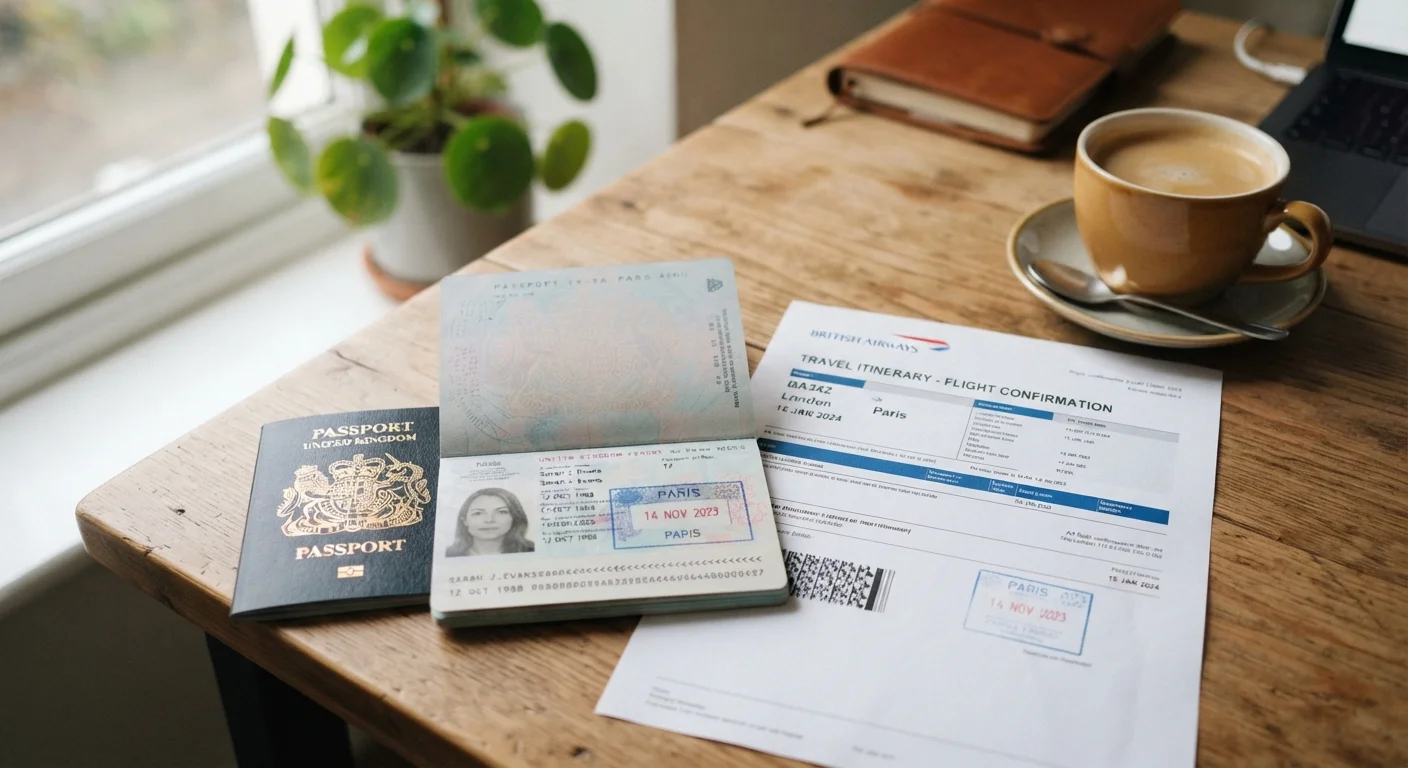
Photo: InsightsTurbo.com | Kickstart Your Knowledge Quest editorial
Key Takeaways
- Always verify entry requirements through your own government's official travel portal, not third-party blogs.
- Visa rules differ based on your passport nationality, not just your destination country.
- Entry requirements can change with little notice — check within 72 hours of departure.
- Passport validity requirements are separate from visa requirements and are frequently overlooked.
- Some countries require proof of onward travel or sufficient funds at the border.
Why Visa Requirements Feel So Complicated
Visa policy is shaped by international agreements, reciprocity between governments, and domestic immigration law — all of which change independently of one another. A country that offered visa-free access last year may have reinstated a requirement this year. The sheer volume of variables (your passport, your destination, your trip purpose, your travel dates) means a single Google search rarely tells the whole story.
The good news: once you know where to look and what to look for, reading entry requirements becomes a repeatable, manageable skill — not a bureaucratic maze. This guide walks you through it step by step.
What you will need
Before diving into the steps, also make sure you have the right tools at hand.
U.S. Department of State Travel Website (travel.state.gov)
The official U.S. government source for country-specific entry requirements, visa information, and travel advisories.
Destination country's official embassy or consulate website
Provides the authoritative, most up-to-date visa application procedures, fees, and requirements directly from the issuing government.
IATA Travel Centre (via your airline)
Airlines often use IATA's database to verify passenger document requirements before boarding — useful as a cross-reference.
Step-by-Step: How to Read Entry Requirements Accurately
Work through these steps in order. Each builds on the last, and skipping ahead often means missing a condition that matters.
Identify which passport you are travelling on
Visa eligibility is tied to your passport's issuing country, not where you live. If you hold dual citizenship, check the rules for both passports — you may qualify for visa-free access on one that you don't on the other. Note the expiration date; many countries require your passport to be valid for at least six months beyond your intended departure date.
Go directly to official government sources
Open travel.state.gov and search for your destination. Read the country-specific page in full — it summarises visa categories, entry conditions, and any known restrictions. Then visit the destination country's official embassy or consulate website for Americans, which will have the granular application details. Avoid relying on travel blogs or booking platforms for compliance-critical information; they are often outdated.
Understand the visa categories available to you
Most countries offer several entry categories: visa-free (no application needed), visa on arrival (approved and paid at the port of entry), e-visa (applied online before travel), and embassy visa (applied in person or by mail, with processing time measured in days or weeks). Identify which category applies to your passport and trip purpose — a tourist visa typically does not allow paid work, for example.
Check every entry condition, not just the visa type
Beyond the visa itself, official pages often list additional requirements that catch travellers off guard:
- Proof of onward travel — a return or connecting ticket showing you plan to leave
- Proof of sufficient funds — sometimes a specific daily amount per traveller
- Accommodation confirmation — a hotel booking or host invitation letter
- Vaccination records — verify with official health authorities, as requirements vary
- Travel insurance — mandatory in some countries, not optional
Read each bullet point on the official page carefully rather than skimming for the visa headline.
Note validity periods and permitted stay lengths
A visa's validity period (how long you have to use it) is different from the permitted stay (how long you can remain once you enter). A 90-day validity visa might only allow a 30-day stay. Write both figures down. Also check whether the visa is single-entry or multiple-entry — re-entering after a day trip to a neighbouring country could void a single-entry visa.
Re-verify requirements close to your departure date
Entry rules can change due to political developments, public health situations, or bilateral agreements. Once your trip is confirmed, re-check official sources within 72 hours of your flight. Also review any travel advisories on travel.state.gov — these provide safety context that complements the entry requirement information. For a broader safety framework, see how to assess destination risk before you go.
Requirements Vary by Passport, Not Residence
Once you have confirmed everything and you're close to departure, use this pre-trip checklist to make sure no detail slips through: pre-trip checklist for first-time international travelers. If you're heading somewhere particularly remote, the more detailed remote destination readiness checklist is worth your time too.
Screenshot Everything Before You Travel
Common Pitfalls and How to Avoid Them
Even careful travellers run into these recurring mistakes:
- Assuming visa-free means no requirements — Visa-free entry still comes with conditions like passport validity, onward travel proof, and stay limits.
- Confusing transit and tourist visas — If you have a layover that requires leaving the airport, you may need a transit visa for that country.
- Ignoring health documentation — Some destinations require vaccination certificates; always verify with official health authority guidance rather than travel blogs.
- Not accounting for processing time — Embassy visas can take weeks. Start the process early, especially for countries with complex application requirements.
Overstaying a Visa Has Serious Consequences
For a complete picture of what to verify beyond just visa status — including money access and safety considerations — managing money while travelling covers the financial side of international travel preparation.
This article provides general travel information for educational purposes only. Entry requirements, visa policies, and travel advisories change frequently. Always verify current requirements with official government sources and the destination country's embassy or consulate before travelling. This content does not constitute legal or immigration advice.
The content provided on our blog site traverses numerous categories, offering readers valuable and practical information. Readers can use the editorial team’s research and data to gain more insights into their topics of interest. However, they are requested not to treat the articles as conclusive. The website team cannot be held responsible for differences in data or inaccuracies found across other platforms. Please also note that the site might also miss out on various schemes and offers available that the readers may find more beneficial than the ones we cover.