
Getting a Pre-Purchase Inspection: What It Involves and Why It's Worth It

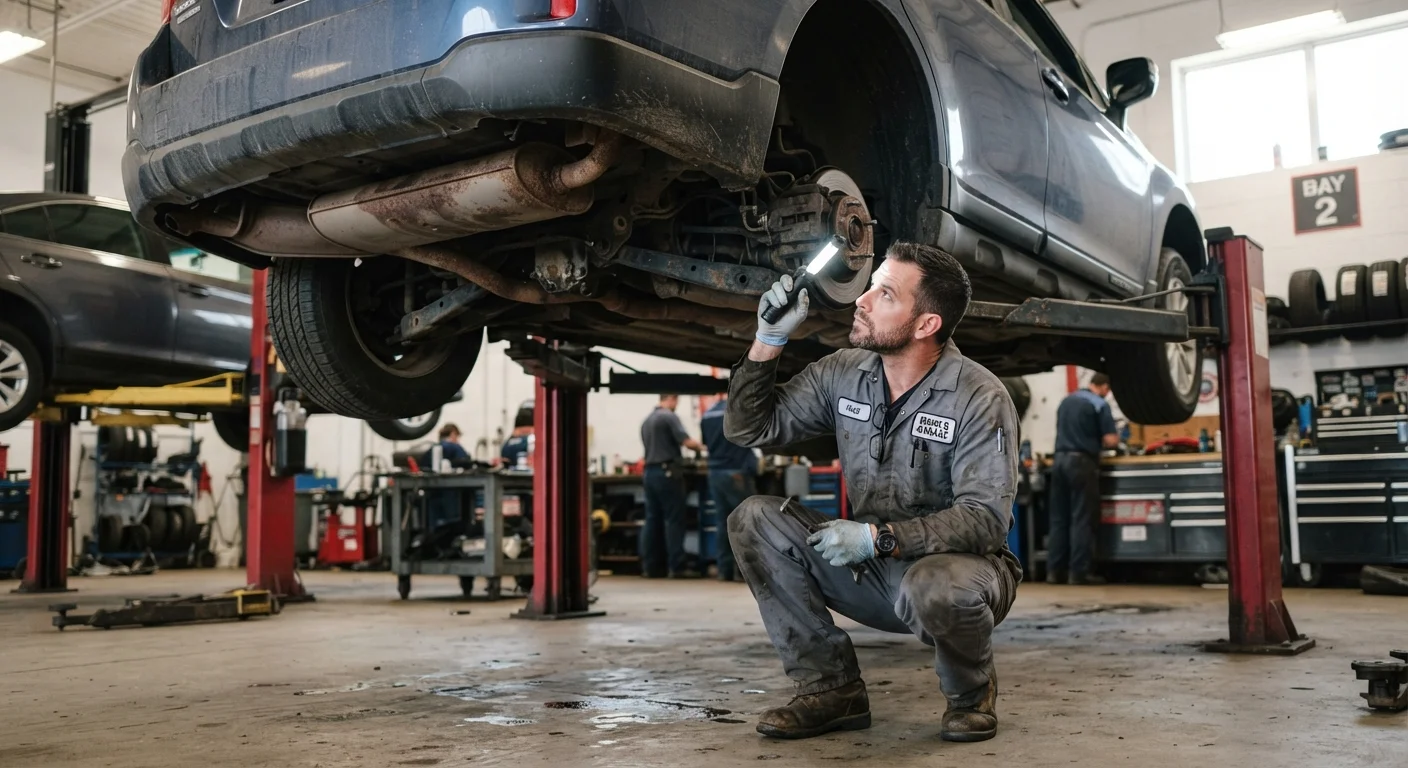
Photo: InsightsTurbo.com | Kickstart Your Knowledge Quest editorial
Key Takeaways
- A pre-purchase inspection (PPI) is conducted by an independent mechanic - not the seller's service department.
- A PPI typically costs $100-$200 and can surface problems worth thousands of dollars in repairs.
- You have the right to request an inspection on any used vehicle before committing to purchase.
- The inspection covers mechanical, electrical, structural, and safety systems in detail.
- Inspection findings give you leverage to renegotiate price or walk away with confidence.
Why a Pre-Purchase Inspection Matters
Buying a used car involves inheriting an unknown mechanical history. Even a vehicle that looks clean and drives smoothly on a short test drive can carry hidden problems - oil leaks developing behind gaskets, brake components at the end of their life, or frame damage from a prior accident that wasn't disclosed. A pre-purchase inspection (PPI) is the process of having a qualified, independent mechanic examine the vehicle on your behalf before any money changes hands.
If you're weighing up whether to buy used at all, our new vs. used car breakdown covers the broader trade-offs. But if you've already decided on used, a PPI is one of the most practical safeguards available to a first-time buyer.
The cost of a PPI - typically between $100 and $200 - is modest relative to the purchase price of any vehicle and small compared to what a major undetected repair could cost. Think of it as paying a small fee for an expert second opinion before committing to a significant financial decision.
Always Use an Independent Mechanic
What You'll Need Before You Start
A little preparation makes the inspection process run smoothly. Before booking anything, make sure you have the basics in order.
What you will need
Independent licensed mechanic or shop
Performs the physical inspection and produces a written report on the vehicle's condition.
Vehicle history report
Provides accident, title, and service records to cross-reference against the inspector's findings.
Notepad or phone for notes
Lets you record the inspector's verbal commentary and any questions to follow up on.
It also helps to review any service records the seller provides before the inspection date - bring these to the mechanic so they can check whether claimed maintenance actually aligns with what they observe on the vehicle. Sellers who've kept their cars well tend to have receipts to prove it.
How to Arrange and Complete the Inspection
Follow these steps in order. Skipping steps - particularly pulling the history report first or verifying the mechanic's independence - can undermine the value of the whole process.
Pull a vehicle history report first
Before booking an inspection, obtain a vehicle history report using the car's VIN. This document can reveal prior accidents, title issues (such as a salvage or rebuilt title), odometer discrepancies, and the number of previous owners. Share any red flags with your mechanic before the inspection so they know where to look closely.
Find an independent mechanic near the seller
Search for a licensed, independent auto repair shop close to where the car is located. Avoid shops recommended by the seller. You can ask for referrals from local car owner forums, or check whether the shop holds certifications from recognized industry bodies such as ASE (Automotive Service Excellence). Call ahead to confirm they perform pre-purchase inspections and ask about their fee structure.
Arrange logistics with both the seller and the mechanic
Coordinate a time when the seller can bring the vehicle to the shop - or, if the shop offers mobile inspections, when the mechanic can visit the car's location. Confirm the appointment with both parties and get the shop's address in writing so there's no confusion. The process typically takes one to two hours.
Understand what the mechanic will examine
A thorough PPI covers a wide range of systems. Expect the mechanic to assess:
- Engine and transmission: fluid levels, leaks, unusual wear, and shifting behavior
- Brakes and suspension: pad thickness, rotor condition, shock absorbers, and steering components
- Tyres: tread depth, even wear patterns, and age (check the sidewall date code)
- Electrical systems: lights, battery health, power windows, and dashboard warning lights
- Body and frame: signs of accident repair, rust, misaligned panels, or structural damage
- Undercarriage: exhaust system, fluid leaks, and corrosion
- Air conditioning and heating systems
Some shops also perform a diagnostic scan using an OBD-II reader to check for stored error codes that may not yet be triggering a dashboard warning.
Review the written report carefully
After the inspection, the mechanic should provide a written report categorizing findings by severity - commonly divided into safety-critical issues, items needing near-term attention, and normal wear. Read every item and ask the mechanic to clarify anything you don't understand. Quantify repair costs where possible by asking the shop for a rough estimate on flagged items.
Use the findings to negotiate or walk away
A clean report gives you buying confidence. A report with issues gives you options: request a price reduction reflecting the estimated repair costs, ask the seller to fix specific problems before sale, or walk away if the problems are too significant. Either outcome is a better position than discovering the issues after purchase. If you do proceed, consult our guide on taking your car to a garage for ongoing ownership needs.
Ask the Inspector to Walk You Through It
Verbal Assurances Are Not a Substitute
After the Inspection: Next Steps
Once you've reviewed the report and made your decision, document everything. If you negotiate a price reduction based on the findings, confirm the agreed figure in writing before signing any purchase paperwork. If the seller agrees to fix specific issues, get that commitment in writing too - verbal agreements rarely hold up after the sale completes.
If the car passes and you proceed with the purchase, keep the inspection report. It gives you a documented baseline of the vehicle's condition at the time of purchase, which can be useful for your mechanic at future service appointments. For ongoing ownership guidance - including how to manage routine maintenance and communicate effectively with mechanics - see our Car Ownership Basics hub.
Finally, establish a habit of basic checks before every drive. Our guide to pre-drive vehicle checks walks through the quick routine that keeps small problems from becoming big ones.
The content provided on our blog site traverses numerous categories, offering readers valuable and practical information. Readers can use the editorial team’s research and data to gain more insights into their topics of interest. However, they are requested not to treat the articles as conclusive. The website team cannot be held responsible for differences in data or inaccuracies found across other platforms. Please also note that the site might also miss out on various schemes and offers available that the readers may find more beneficial than the ones we cover.