
Pre-Drive Vehicle Checks Every Driver Should Know

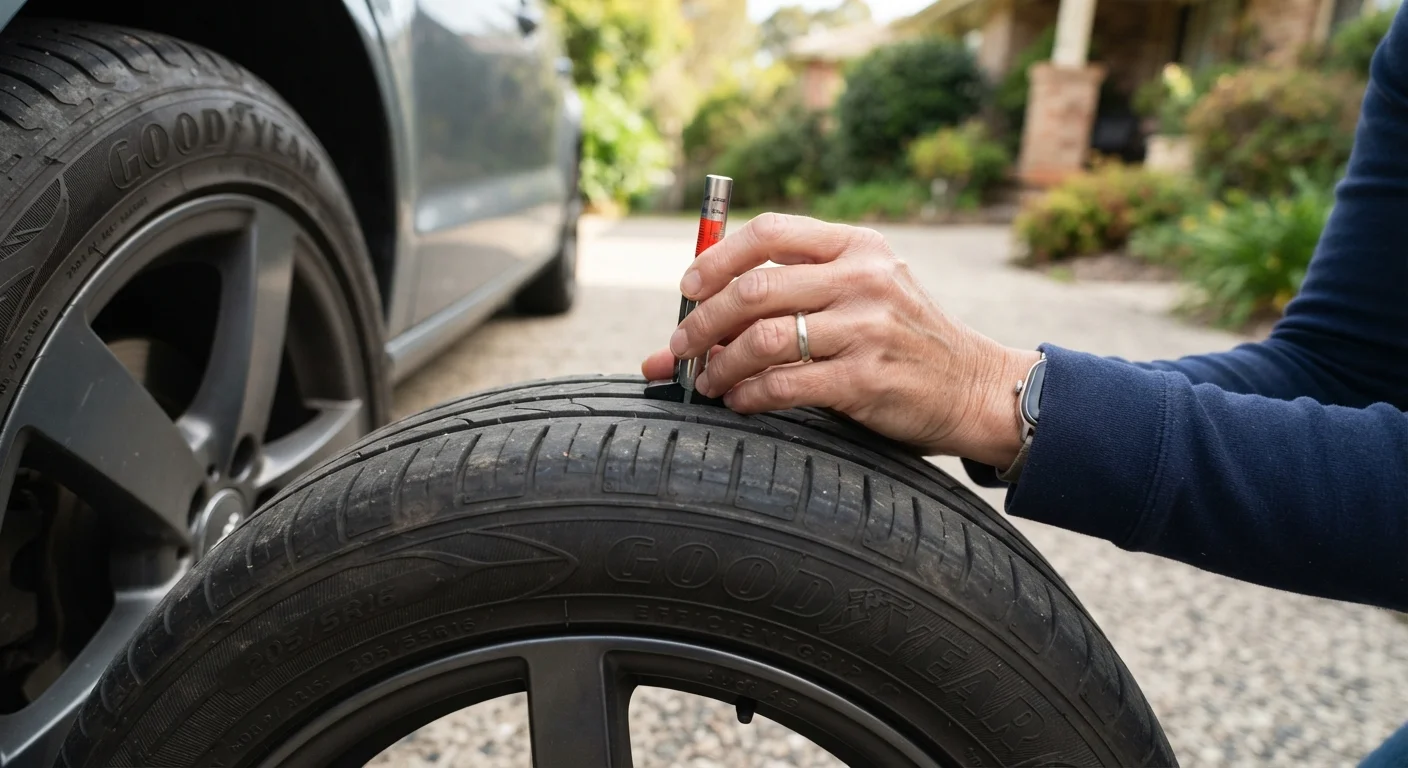
Photo: InsightsTurbo.com | Kickstart Your Knowledge Quest editorial
Key Takeaways
- Most pre-drive checks take under ten minutes and require no tools or mechanical knowledge.
- Tyres, lights, mirrors, and fluid levels are the four areas that catch the majority of preventable problems.
- New drivers benefit most from building these checks into a consistent routine before every journey.
- Some issues - like low tyre pressure or a blown bulb - are not visible from the driver's seat and must be physically checked.
- Spotting a problem before you drive is always safer and cheaper than dealing with one on the road.
Why a Pre-Drive Check Matters
Most drivers think about vehicle condition only when something goes wrong - a warning light flicks on, a tyre goes flat on the freeway, or a headlight fails during an evening commute. By that point, the situation has already shifted from manageable to potentially dangerous.
A brief walk-around before you drive changes that equation entirely. It costs almost no time, requires no tools, and gives you real information about the vehicle you're about to put on public roads. For new drivers especially, it also builds the situational awareness that separates a competent driver from a reactive one.
This checklist is designed to become a habit - something you run through automatically, like buckling your seatbelt. If you're still navigating broader ownership responsibilities, the Car Ownership Basics hub covers insurance, registration, and maintenance in more depth.
Tyres
Lights and Signals
Mirrors and Visibility
Under the Hood and Fluid Levels
Inside the Vehicle
Tools and Equipment Worth Keeping in Your Car
You don't need a mechanic's toolkit to run these checks, but a few inexpensive items make the routine faster and more reliable. Keep them in your glove box or trunk so they're always on hand.
Tyre pressure gauge
Measures tyre inflation accurately so you can compare it to the manufacturer's recommended PSI.
Tread depth gauge
Gives a precise measurement of remaining tread depth, more reliable than a visual estimate.
Small LED torch / flashlight
Helps inspect tyres, under the vehicle, and engine bay in low-light conditions.
Owner's manual
Contains manufacturer-specified fluid levels, tyre pressures, and warning light explanations for your exact vehicle.
Microfibre cloth
Clears condensation, dust, or grime from mirrors and windows quickly without scratching.
For a deeper look at tyre condition specifically - including how to read tread wear and understand legal minimums - see our tyre pressure and tread depth checklist.
Never Check Coolant on a Hot Engine
Making This Routine Stick
The biggest obstacle to pre-drive checks isn't knowledge - it's consistency. Most drivers skip them not out of laziness but because there's no established trigger. Attach your checks to something you already do: as you approach the car, glance at all four tyres; as you unlock the door, note any new dents or fluid patches under the vehicle; once inside, confirm your mirrors before you touch the ignition.
Over time, this walk-around becomes automatic - the same way checking your mirrors while reversing eventually feels effortless. Our guide on building driving confidence explores how repetition and structured habits reduce anxiety behind the wheel.
Dashboard Warning Lights Are Not Optional
For longer or more demanding journeys - particularly motorway driving - the stakes of a missed check are higher. Review our first-timer's motorway guide alongside this checklist when planning any highway trip. You can also pair this with the between-service maintenance checklist to cover the checks that go beyond the daily routine.
The content provided on our blog site traverses numerous categories, offering readers valuable and practical information. Readers can use the editorial team’s research and data to gain more insights into their topics of interest. However, they are requested not to treat the articles as conclusive. The website team cannot be held responsible for differences in data or inaccuracies found across other platforms. Please also note that the site might also miss out on various schemes and offers available that the readers may find more beneficial than the ones we cover.