
Annual MOT vs. Regular Servicing: Two Very Different Things

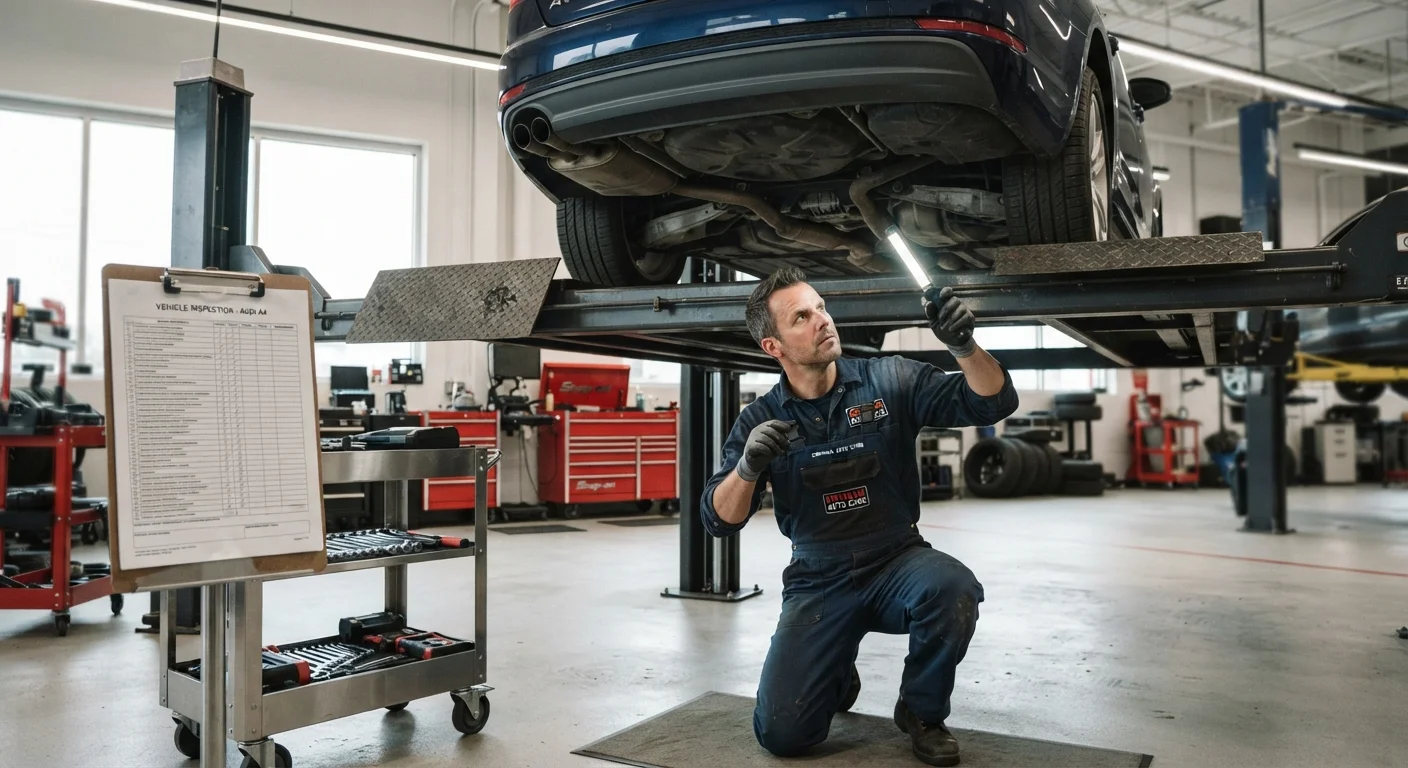
Photo: InsightsTurbo.com | Kickstart Your Knowledge Quest editorial
Key Takeaways
- An MOT is a legal requirement for most vehicles over three years old; a service is not legally required.
- An MOT checks whether your car meets minimum safety and emissions standards - it does not fix anything.
- A service replaces wear items and fluids to maintain performance; it can reveal problems an MOT won't catch.
- Passing an MOT does not mean your car is in good mechanical condition - just that it met the threshold on the day.
- Both are typically done at a garage but by different processes, with different paperwork and costs.
What an MOT Actually Is
The MOT (Ministry of Transport) test is an annual inspection required by UK law for most cars once they reach three years old. It is carried out by a government-approved testing centre - which could be an independent garage, a franchise dealer, or a specialist MOT station - and it results in either a pass or a fail.
The test evaluates a fixed checklist of safety and emissions items: brakes, lights, steering, tyres, horn, seatbelts, windscreen condition, and exhaust emissions, among others. Crucially, the tester checks whether each item meets the legal minimum standard - nothing more. If something is borderline but still within tolerance, it passes. If something falls below the threshold, it fails and must be repaired before the car can be driven legally.
What the MOT does not do is assess the overall mechanical condition of the vehicle. The engine oil level, coolant condition, gearbox wear, clutch health, or suspension bushings are not part of the test unless they directly affect a checked item. A car can pass its MOT and still be in poor mechanical shape.
MOT History Is Publicly Accessible
What a Service Involves
A service is a scheduled maintenance procedure carried out according to either the manufacturer's recommended intervals or a mileage threshold - whichever comes first. Unlike an MOT, there is no single government-defined checklist. What gets done depends on the service type (interim, full, or major) and the manufacturer's specifications for your vehicle.
A typical full service includes changing the engine oil and oil filter, replacing the air filter, inspecting brake pads and discs, checking fluid levels (coolant, brake fluid, power steering fluid), examining tyres for wear and pressure, and testing the battery. More comprehensive services may include replacing spark plugs, the fuel filter, or the timing belt - depending on the car's age and mileage.
The key distinction is that a service involves replacing and repairing, not just checking. It's proactive maintenance designed to prevent failures rather than simply confirm a car clears a legal threshold. For a deeper look at what happens at each service milestone, see our guide to service schedules.
| Criterion | Annual MOT | Regular Servicing |
|---|---|---|
| Legal requirement | Yes - mandatory from year three | No - but strongly recommended |
| Frequency | Once per year | Every 6-12 months or by mileage |
| Result | Pass or fail certificate | Service record / stamp in logbook |
| Includes repairs | No - test only | Yes - parts replaced as needed |
| Covers engine health | Not directly | Yes - oil, filters, fluids checked |
| Typical cost range | Around £30-£55 for the test | Varies widely by service type and vehicle |
| Who sets the standards | UK government (DVSA) | Vehicle manufacturer or garage |
Why Confusing the Two Causes Problems
One of the most common mistakes new owners make is believing that a fresh MOT certificate means their car is in good health. It means only that the car met the minimum legal standard on the day of the test. If the oil hasn't been changed in two years, that won't appear on the MOT report.
Equally, booking a service doesn't replace the legal need for an MOT. A freshly serviced car still needs a valid test certificate to be driven on public roads. Both are necessary - they just do different jobs.
Skipping services to save money in the short term often leads to significantly higher costs later. Worn brake pads left unchecked eventually damage discs. Old engine oil increases engine wear. These are problems a service would have caught early. You can find a full breakdown of how running costs like these add up in our guide to car ownership costs.
Between professional appointments, there are also simple checks any driver can perform - tyre pressure, fluid levels, lights - that help keep things in order. See our guide to maintaining your car between services for specifics.
~40%
Cars that fail MOT on first attempt
DVSA data consistently shows around four in ten vehicles fail their MOT first time, with lighting and signalling faults being the most common reasons.
3 years
Age at which MOT first becomes required
Under UK law, cars must have a valid MOT certificate from the third anniversary of their original registration date.
The content provided on our blog site traverses numerous categories, offering readers valuable and practical information. Readers can use the editorial team’s research and data to gain more insights into their topics of interest. However, they are requested not to treat the articles as conclusive. The website team cannot be held responsible for differences in data or inaccuracies found across other platforms. Please also note that the site might also miss out on various schemes and offers available that the readers may find more beneficial than the ones we cover.