
Oil Changes: The Myths That Lead to Neglected Engines

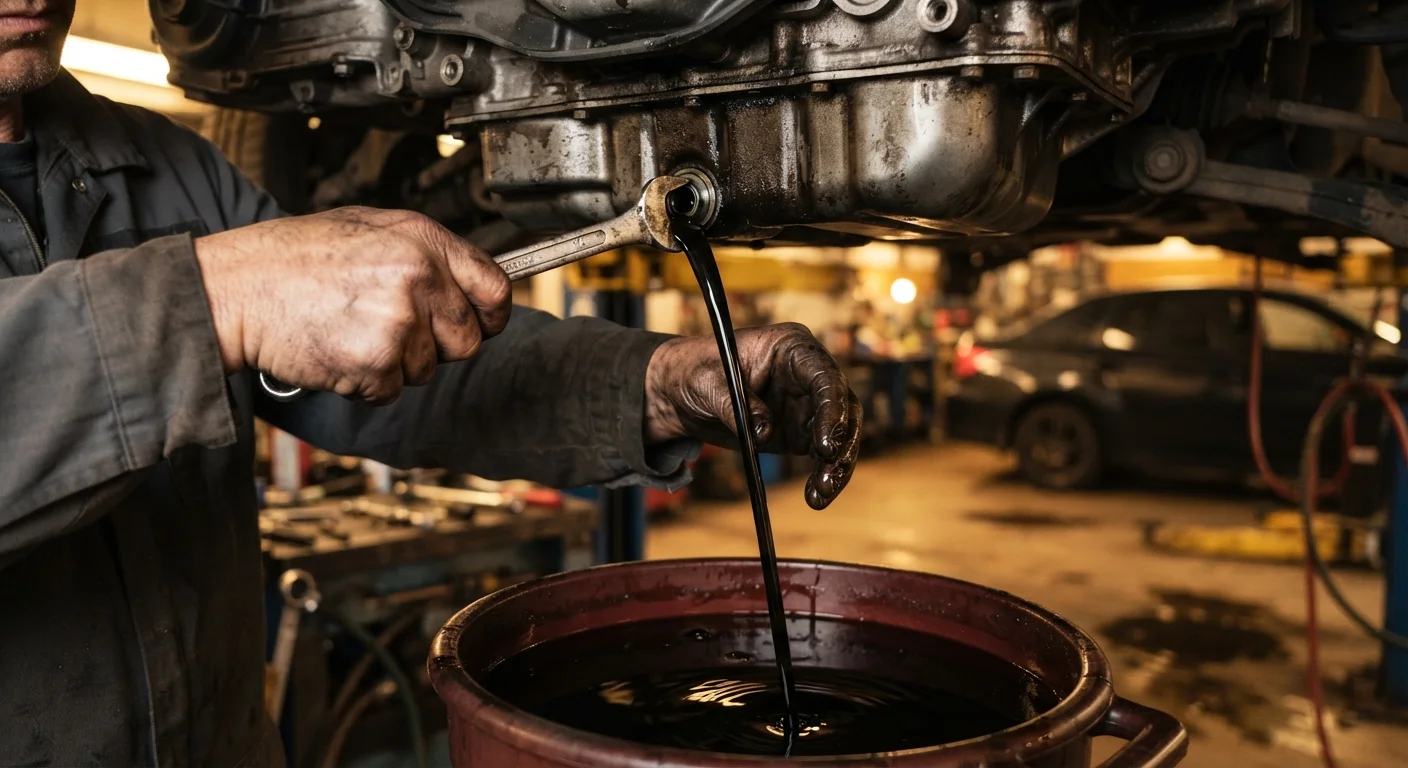
Photo: InsightsTurbo.com | Kickstart Your Knowledge Quest editorial
Key Takeaways
- The 3,000-mile oil change rule is outdated - most modern vehicles go 5,000-10,000 miles or more between changes.
- Dark oil colour alone doesn't mean oil needs replacing; checking the dipstick level and following your service schedule matters more.
- Synthetic and conventional oils can be mixed safely in an emergency, but consistent use of the right oil type is always better.
- Skipping oil changes - not changing oil brands - is what causes measurable engine wear over time.
- Your owner's manual is the definitive source for your vehicle's correct oil type and service interval.
Why Oil Change Myths Are So Persistent
Oil change advice is everywhere - from quick-lube shop signs to advice passed down from relatives who drove cars with very different engines. For new owners, sorting useful guidance from outdated folklore can feel impossible. The stakes are real: neglecting engine oil is one of the most common causes of preventable engine damage, but over-servicing based on bad information wastes money and time.
Most oil change myths originate from an era when engine technology, oil chemistry, and manufacturing tolerances were significantly less advanced than they are today. What was sound advice in the 1980s can be genuinely misleading now. Understanding why these myths developed makes it easier to let them go - and to follow guidance that actually protects your engine.
For a broader look at the missteps that cost new owners the most, see our guide to early ownership mistakes.
Myth
You must change your oil every 3,000 miles, no exceptions.
Fact
Most modern vehicles using full synthetic oil can go 7,500-10,000 miles or more between changes, depending on the manufacturer's specification.
The 3,000-mile rule was a reasonable guideline for older engines running conventional mineral oil. Today's engines and lubricants are engineered to different standards. Many manufacturers now specify intervals of 7,500, 10,000, or even 15,000 miles for vehicles using full synthetic oil under normal driving conditions. Following your owner's manual - not a generic number - is the correct approach. Over-changing oil isn't harmful to the engine, but it is an unnecessary expense.
Myth
If the oil looks dark, it needs to be changed immediately.
Fact
Oil darkens as it does its job of suspending combustion byproducts - dark colour is normal and not by itself a reliable indicator that oil is spent.
Oil turns dark because it's picking up fine soot particles and contaminants from the combustion process - exactly what it's designed to do. A clean, golden-amber colour simply means the oil is fresh. Dark oil isn't necessarily degraded oil. What matters more is the oil's level on the dipstick, whether it smells burnt, and whether you're within your manufacturer's recommended mileage or time interval. Colour alone is not a reliable diagnostic tool for oil condition.
Myth
Mixing oil brands or switching between conventional and synthetic will damage the engine.
Fact
Modern motor oils are compatible with each other; topping up with a different brand or type in an emergency won't cause engine damage, though consistent use of the correct specification is always preferable.
All motor oils sold in the US must meet industry standards set by bodies such as the American Petroleum Institute (API). This standardisation means oils from different manufacturers are chemically compatible. Topping off with a different brand - or adding a small amount of conventional oil to a synthetic in an emergency - will not cause a chemical reaction or engine failure. That said, you should return to your manufacturer's recommended oil type at the next full change. Consistency with the correct viscosity grade and performance specification matters far more than brand loyalty.
Myth
Once you switch to synthetic oil, you can never go back to conventional.
Fact
Switching between oil types in either direction is safe; there is no chemical lock-in once synthetic oil has been used.
This myth likely stems from early synthetic oil formulations that used seal-conditioning additives which occasionally caused leaks in older engines with worn seals - the leaks exposed a pre-existing problem rather than creating one. Modern synthetic and conventional oils are compatible, and switching between them causes no mechanical issues. Your choice of oil type should be driven entirely by your manufacturer's recommendation and your driving conditions, not by this persistent misconception.
Myth
You only need to change the oil - the filter can stay for another cycle.
Fact
The oil filter should be replaced at every oil change; a clogged or saturated filter bypasses filtration, allowing contaminants to circulate through your engine.
The oil filter traps metal particles, soot, and other contaminants that would otherwise circulate through engine components. When it becomes saturated, a bypass valve opens and unfiltered oil continues flowing - which defeats the purpose of clean oil entirely. Oil filters are inexpensive relative to the engine wear they prevent. Replacing the filter at every oil change is standard practice and should be treated as a non-negotiable part of the service, not an optional add-on.
Reading the Evidence: What Actually Protects Your Engine
Engine oil has one fundamental job: reduce friction between moving metal parts, carry away heat, and suspend contaminants until the oil is drained. When it can no longer do those things effectively, engine wear accelerates. The question is when that threshold is actually reached - and the answer is far more nuanced than any single mileage figure.
7,500-10,000 mi
Typical synthetic oil change interval
Many major automakers now specify intervals of 7,500 to 10,000 miles for vehicles using full synthetic oil under normal driving conditions, per manufacturer owner's manuals.
~40%
Of engine wear linked to contaminated oil
Industry estimates suggest a significant portion of premature engine wear is attributable to degraded or contaminated oil that was not changed within the recommended service window.
Modern engines are engineered to tighter tolerances, and modern oils - especially full synthetic formulations - maintain their protective properties far longer than older conventional oils did. Your owner's manual reflects this reality; it specifies intervals based on your engine's actual needs, not on a marketing number.
For a full breakdown of what each service milestone means and why timing matters, see what your car's service schedule is actually telling you. And if you want simple checks you can do between professional services, this guide to keeping a car in good shape between services is a practical starting point.
Severe Driving Conditions Change the Equation
The content provided on our blog site traverses numerous categories, offering readers valuable and practical information. Readers can use the editorial team’s research and data to gain more insights into their topics of interest. However, they are requested not to treat the articles as conclusive. The website team cannot be held responsible for differences in data or inaccuracies found across other platforms. Please also note that the site might also miss out on various schemes and offers available that the readers may find more beneficial than the ones we cover.