
Macronutrients Explained: What Carbs, Protein, and Fat Actually Do

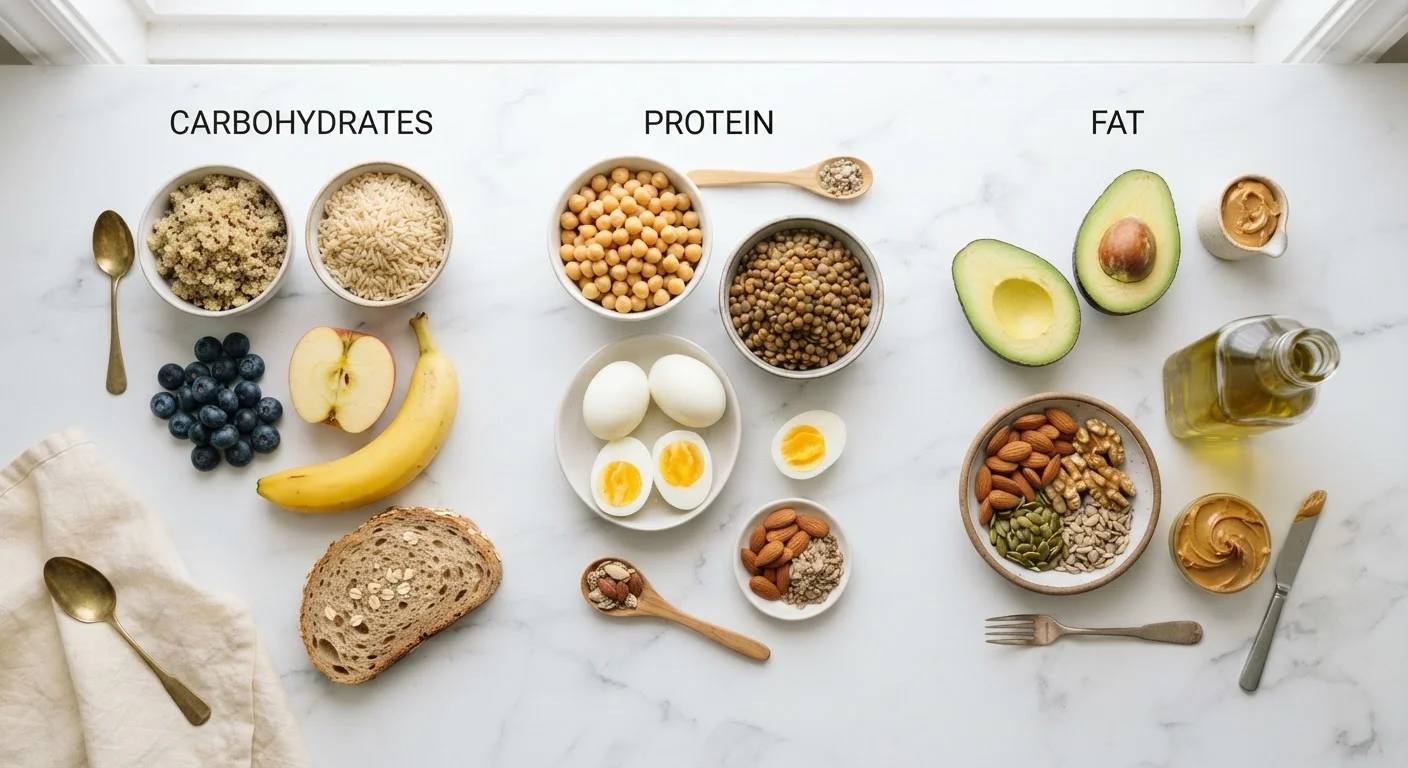
Photo: InsightsTurbo.com | Kickstart Your Knowledge Quest editorial
Key Takeaways
- Carbohydrates are the body's preferred and most efficient energy source, especially for the brain and muscles.
- Protein is essential for building, repairing, and maintaining tissues - not just for people who work out.
- Dietary fat supports hormone production, brain function, and absorption of fat-soluble vitamins.
- No macronutrient is inherently bad; balance and food quality matter far more than elimination.
- Understanding macros helps you make more informed choices without needing to obsessively count or track.
Carbohydrates: Your Body's First Choice for Fuel
Carbohydrates often get a bad reputation, but they are the body's preferred energy source - especially for the brain and working muscles. When you eat carbs, your digestive system breaks them down into glucose, which cells use directly for energy. Any excess glucose is stored as glycogen in the liver and muscles for later use.
Not all carbohydrates work the same way. Simple carbohydrates - found in table sugar, white bread, and many packaged snacks - digest quickly and can cause rapid spikes in blood sugar. Complex carbohydrates - found in whole grains, legumes, and vegetables - digest more slowly, providing steadier energy and more fiber. Fiber, technically a carbohydrate itself, supports digestive health and helps you feel full longer. Learn more about how calorie density affects fullness when choosing carb-rich foods.
The key distinction isn't whether to eat carbohydrates - it's which ones to prioritize. Whole food sources of carbs generally bring additional nutrients along for the ride: fiber, B vitamins, and minerals that refined versions strip away.
Choose Carbs That Come With Something Extra
Protein: More Than a Gym Supplement
Protein is best known for building muscle, but its role in the body is far broader. Every cell contains protein. It's essential for repairing tissue, producing enzymes and hormones, supporting immune function, and transporting molecules through the bloodstream. Even if you never set foot in a gym, you need adequate protein daily.
Proteins are made up of amino acids, and while the body can produce some on its own, nine are classified as essential - meaning you must get them from food. Animal-based foods like eggs, meat, dairy, and fish typically contain all nine essential amino acids in sufficient quantities. Many plant foods provide protein too, though often with different amino acid profiles. For a deeper look at the trade-offs, see our article on plant-based vs. animal protein.
~0.8 g/kg
Minimum protein per kg body weight for adults
This is the Recommended Dietary Allowance (RDA) set by the National Academies of Sciences, Engineering, and Medicine for sedentary adults; active individuals may need more.
45-65%
Recommended share of calories from carbohydrates
The Dietary Guidelines for Americans suggest carbohydrates should make up roughly 45-65% of total daily calorie intake for most adults.
20-35%
Recommended share of calories from fat
The National Academies' Acceptable Macronutrient Distribution Range (AMDR) places dietary fat at 20-35% of total calories for adults.
One practical benefit of protein is its effect on satiety. It takes longer to digest than simple carbohydrates and has a relatively high thermic effect - meaning your body uses more energy just to process it. Including a protein source in each meal is one of the more consistently supported strategies for managing hunger throughout the day.
Dietary Fat: Essential, Not the Enemy
Decades of low-fat diet culture left many people convinced fat was something to minimize at all costs. The science has since clarified a more nuanced picture: dietary fat is essential, and the type of fat matters far more than the total amount.
Fat serves several critical functions. It insulates organs, helps regulate body temperature, and is required for absorbing fat-soluble vitamins - A, D, E, and K - which you can read more about in our overview of micronutrients your body can't make itself. Fat also plays a central role in hormone production and brain health - the brain is roughly 60% fat by dry weight.
Unsaturated fats - found in olive oil, avocados, nuts, and fatty fish - are generally associated with cardiovascular benefit according to established dietary guidelines. Saturated fats - present in red meat and full-fat dairy - are best consumed in moderate amounts. Trans fats, largely found in artificially hydrogenated oils, are the type major health authorities recommend limiting most strongly.
Because fat is the most calorie-dense macronutrient at 9 calories per gram, portion awareness is sensible - but eliminating fat entirely would mean missing out on nutrients your body genuinely cannot function without.
Fat Content on Labels Can Be Misleading
Why Balance Matters More Than Elimination
Trendy diets often succeed by demonizing one macronutrient. The reality is that research on long-term eating patterns consistently points to balance and food quality - not wholesale elimination - as the more durable approach. When you cut an entire macronutrient group, you typically sacrifice fiber, vitamins, or essential fatty acids that come along with it.
Understanding macros gives you a framework, not a rulebook. Rather than aiming for perfect ratios, focus on choosing whole-food sources of each macronutrient whenever possible, and notice how different combinations make you feel - energy, fullness, and focus are real feedback. For help making sense of what's actually in packaged foods, check out our guide on reading a nutrition label. And if a common claim about carbs or fat sounds too dramatic, our piece on nutrition myths can help you sort fact from fiction.
This article is for general informational and educational purposes only and is not a substitute for professional medical or dietary advice. Consult a qualified healthcare provider or registered dietitian before making significant changes to your diet.
Frequently Asked Questions
The content provided on our blog site traverses numerous categories, offering readers valuable and practical information. Readers can use the editorial team’s research and data to gain more insights into their topics of interest. However, they are requested not to treat the articles as conclusive. The website team cannot be held responsible for differences in data or inaccuracies found across other platforms. Please also note that the site might also miss out on various schemes and offers available that the readers may find more beneficial than the ones we cover.