
Grout, Caulk, and Tile Adhesive: A New Homeowner's Glossary

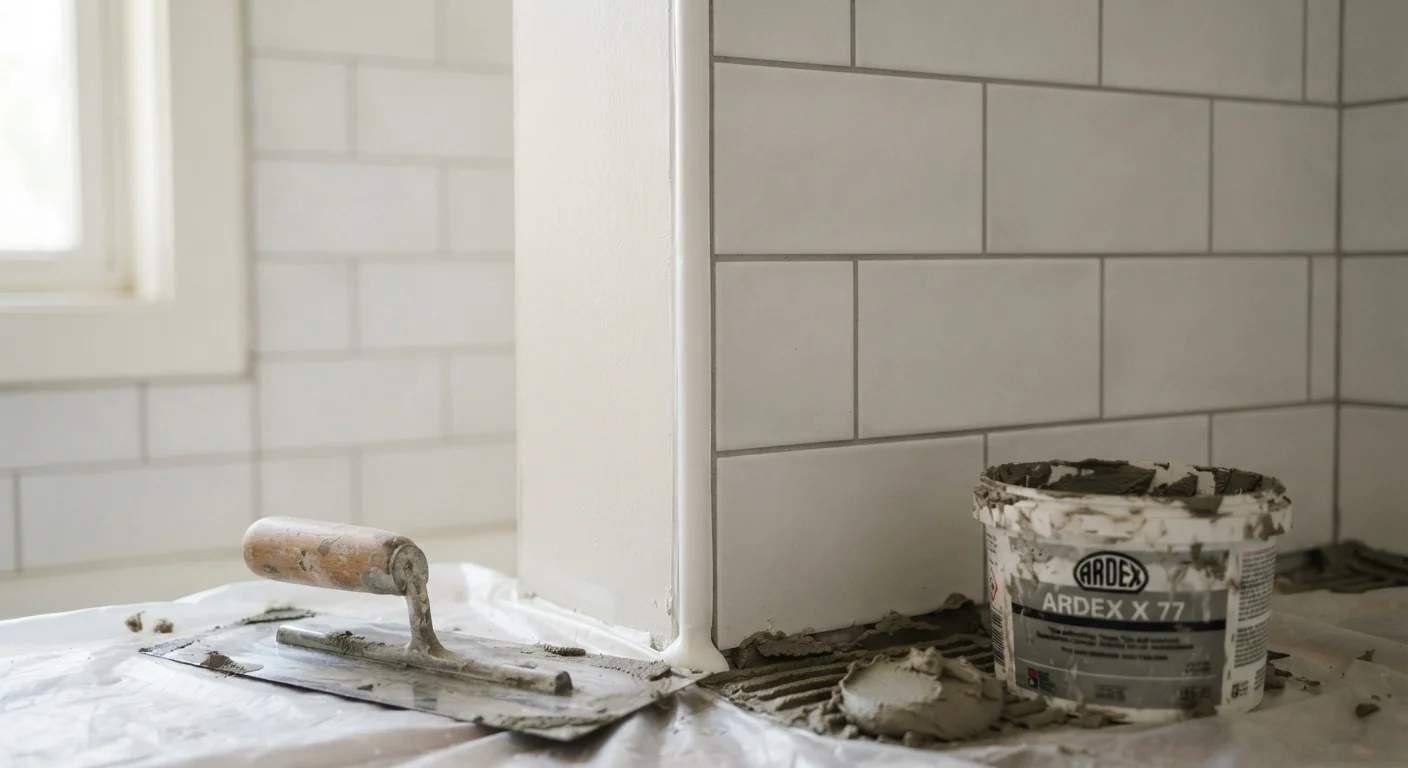
Photo: InsightsTurbo.com | Kickstart Your Knowledge Quest editorial
Why These Three Materials Confuse People
Walk into any hardware store for a bathroom repair and you'll face an entire aisle of tubes, buckets, and powders with overlapping names. Grout, caulk, and tile adhesive are the core trio that show up in nearly every tiling job - yet each one does a completely different job. Mixing them up (literally or figuratively) leads to failed repairs, water damage, or wasted materials.
This glossary is a quick-reference companion for renters and new homeowners who need to understand what they're looking at before they buy or apply anything. If you're just getting started with home repairs more broadly, see our beginner's guide to home improvement before diving into tiling work.
Grout
A cement- or epoxy-based filler used to fill the gaps (joints) between tiles after they have been set and the adhesive has cured. Grout is rigid when dry and comes in sanded and unsanded varieties - sanded grout is used for wider joints (typically 1/8 inch or more), while unsanded grout suits narrow ones.
Caulk
A flexible, waterproof sealant applied at joints where two surfaces meet at an angle or where movement is expected - such as the seam between a tiled wall and a bathtub. Unlike grout, caulk remains slightly pliable after curing, allowing it to absorb minor shifts without cracking.
Tile Adhesive (Mastic or Thinset Mortar)
The bonding material applied to a surface before tiles are pressed into place. Thinset mortar is cement-based and suitable for wet areas; mastic is an organic adhesive better suited to dry, low-moisture applications. Do not use mastic in showers or other high-humidity areas.
Grout Float
A flat, rubber-faced hand tool used to press grout into tile joints and smooth the surface. The angled edge helps scrape excess grout off tile faces during application.
Movement Joint
A deliberate gap left in a tile installation at corners, transitions, and large floor areas to accommodate natural expansion and contraction. Movement joints are filled with caulk, not grout, to prevent cracking.
Efflorescence
White, powdery deposits that appear on grout or tile surfaces when water moves through the material and deposits minerals on the surface as it evaporates. It is a sign of moisture infiltration and may indicate a sealing or waterproofing issue.
Grout Sealer
A liquid product applied over cured grout to reduce staining and slow moisture absorption. Most cement-based grout in wet areas benefits from periodic sealing; epoxy grout is generally non-porous and does not require a sealer.
Epoxy Grout
A two-part grout made from epoxy resin and hardener rather than cement. It is highly stain-resistant and durable, making it a common choice for countertops and commercial kitchens, though it is more difficult to apply than cement-based grout.
Key Terms at a Glance
The quick-reference card below summarizes the most important facts about these three materials - what they're used for, how they differ, and when each one is the right call.
| Primary purpose of tile adhesive | Bond tiles to a substrate (wall or floor) before grouting |
| Primary purpose of grout | Fill and seal the joints between tiles after adhesive cures |
| Primary purpose of caulk | Seal flexible joints at corners, transitions, and tub/wall seams |
| Grout joint width: sanded vs. unsanded | Sanded: 1/8 inch or wider; unsanded: narrower than 1/8 inch |
| Thinset vs. mastic adhesive | Thinset for wet/humid areas; mastic for dry applications only |
| Caulk at corners | Always use caulk - not grout - where tile meets tub, floor, or another wall |
One practical note for renters: before repairing or re-grouting anything in your bathroom or kitchen, review your lease. Our article on understanding your lease before making changes explains what alterations typically require landlord approval.
When to Call a Licensed Professional
How These Materials Work Together
In a standard tile installation, all three materials appear - and the order matters. Tile adhesive (or mortar) goes down first to bond tiles to the wall or floor surface. Once the adhesive cures, grout fills the gaps between tiles. Finally, caulk seals the joints where two surfaces meet at an angle, such as where a tiled wall meets a bathtub ledge.
Grout and caulk are not interchangeable at corners and transitions. Grout is rigid when cured and will crack at movement joints - areas that flex slightly due to temperature changes or building settling. Caulk stays flexible, which is exactly what those joints need. A common DIY mistake is grouting all the way into a tub-wall corner: the grout eventually cracks and lets water behind the tile.
For a broader look at sealing materials around the home, our article on caulking versus weatherstripping covers how caulk behaves in different contexts beyond tile work. And if you're still building out your repair supplies, our home toolkit guide lists the basic tools that handle most household fixes.
~48 hrs
Typical thinset mortar cure time before grouting
Most Portland cement-based thinset mortars require roughly 24-48 hours of cure time before the tile surface is ready for grouting, though manufacturer instructions vary.
1-3 years
Recommended grout sealer reapplication interval
Home maintenance guidelines generally suggest resealing cement-based grout in wet areas every one to three years, depending on use and traffic.
The content provided on our blog site traverses numerous categories, offering readers valuable and practical information. Readers can use the editorial team’s research and data to gain more insights into their topics of interest. However, they are requested not to treat the articles as conclusive. The website team cannot be held responsible for differences in data or inaccuracies found across other platforms. Please also note that the site might also miss out on various schemes and offers available that the readers may find more beneficial than the ones we cover.