
Home Maintenance Tasks Every Renter and New Owner Should Know

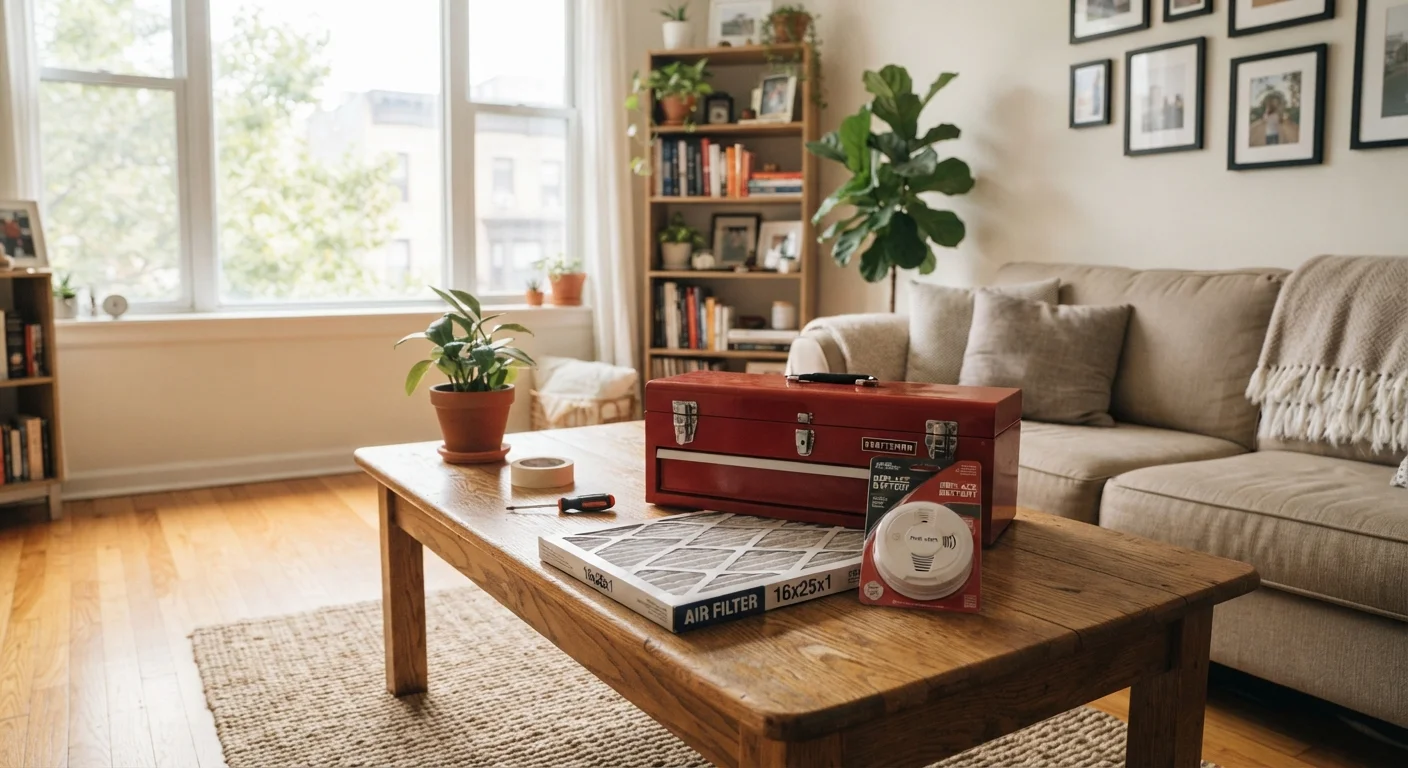
Photo: InsightsTurbo.com | Kickstart Your Knowledge Quest editorial
Key Takeaways
- Most routine home maintenance tasks require no special skills and only basic tools.
- Staying ahead of small issues prevents costly repairs and protects your security deposit.
- Renters should verify with their lease which tasks are their responsibility before starting.
- Smoke and carbon monoxide alarms should be tested monthly and replaced on schedule.
- Seasonal checks - done four times a year - cover the majority of recurring maintenance needs.
Why Maintenance Is Your Responsibility Too
Whether you rent or own, a home requires steady, low-effort attention to stay safe and functional. Skipping small tasks - a clogged drain, a dusty filter, a chirping smoke alarm - is how minor inconveniences grow into expensive emergencies. The good news: almost everything on this checklist takes under 15 minutes and costs very little.
If you rent, start by reading your lease. It typically spells out which upkeep tasks fall to you (replacing light bulbs, keeping drains clear) versus your landlord (major appliances, structural repairs). For a deeper look at what changes you're allowed to make, see Understanding Your Lease Before You Hang a Single Picture. And if you're assembling tools for the first time, Building a Home Toolkit outlines what you actually need.
Replacement HVAC air filters
Swap out dirty filters on a regular cycle to maintain air quality and HVAC efficiency.
Smoke and CO detector tester (or replacement batteries)
Keep life-safety devices functional with monthly tests and timely battery swaps.
Flashlight or headlamp
Inspect under-sink spaces, behind appliances, and other dim areas for leaks or damage.
Caulk gun and waterproof caulk
Seal gaps around windows, tubs, and sinks to prevent moisture intrusion.
Dryer vent cleaning brush kit
Remove lint from the full length of your dryer exhaust duct to reduce fire risk.
Multi-bit screwdriver
Remove exhaust fan covers, outlet plates, and appliance panels for inspection and cleaning.
The Full Maintenance Checklist
These tasks are organized by how often they need to happen. Work through each group on a schedule - quarterly reviews are the simplest rhythm for most households. Tackle the must items first; layer in the rest as your routine solidifies.
Monthly Tasks
Quarterly Tasks
Biannual Tasks
Annual and Seasonal Tasks
Dryer Lint Is a Leading Cause of Home Fires
Making This a Habit, Not a Chore
The most effective approach is to tie maintenance checks to something that already happens on a schedule - daylight saving time changes, the first of each season, or a monthly calendar reminder. Spend 30 minutes walking through your space with this checklist and a notepad. Document anything that needs a repair so you have a paper trail, which matters both for landlords and for your own records as an owner.
Owners can apply similar thinking to vehicle upkeep. The same discipline that keeps a home running - checking things regularly before they fail - works just as well under the hood. Keeping a Car in Good Shape Between Professional Services covers the parallel basics for drivers.
Know Your Limits With Electrical and Gas Work
If you're still setting up your space for the first time, pair this checklist with Your First Apartment: What to Set Up Before Move-In Day to make sure the fundamentals are in place before maintenance routines begin. For a broader foundation, the Home Setup Basics hub is a good starting point.
The content provided on our blog site traverses numerous categories, offering readers valuable and practical information. Readers can use the editorial team’s research and data to gain more insights into their topics of interest. However, they are requested not to treat the articles as conclusive. The website team cannot be held responsible for differences in data or inaccuracies found across other platforms. Please also note that the site might also miss out on various schemes and offers available that the readers may find more beneficial than the ones we cover.