
The Furniture Pieces Worth Spending More On - and the Ones That Aren't

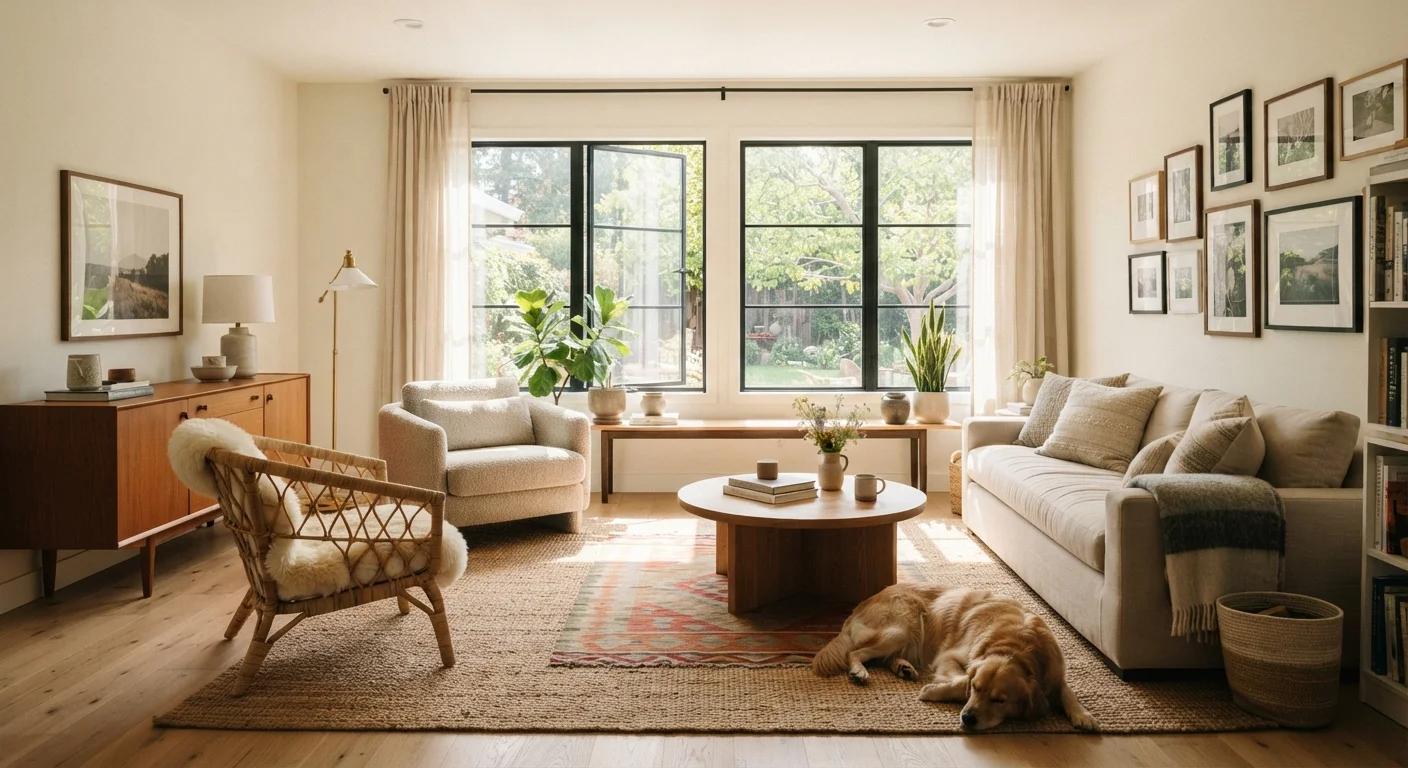
Photo: InsightsTurbo.com | Kickstart Your Knowledge Quest editorial
Key Takeaways
- Pieces that support your body daily - like a mattress or desk chair - are worth a larger budget.
- Decorative or accent furniture is a smart place to save without sacrificing style.
- Durability signals like solid wood frames and dovetail joints separate quality from imitation.
- Your living situation (renter vs. owner, short-term vs. long-term) should guide how much you invest.
- Flat-pack and budget options can be strategic, not just a last resort.
Why Not All Furniture Deserves Equal Budget
Setting up a first home involves a lot of decisions happening at once - and your furniture budget rarely stretches as far as you'd like. The mistake most people make isn't spending too much or too little overall; it's applying the same logic to every piece. A side table and a sofa are not the same kind of investment, and treating them identically will either drain your budget on the wrong things or leave you replacing cheap essentials too soon.
The guiding principle is simple: spend more where the piece works hardest for you, and spend less where appearance matters more than longevity. Before making any major purchase, it also helps to have a broader money framework in place - see our budgeting methods guide for ways to structure your spending. And always measure your space first - our article on room measurements can save you a costly return trip.
Your mattress - spend more
You spend roughly a third of your life on a mattress. Poor sleep has real consequences for health and daily function, and a mattress that's too soft, too firm, or unsupportive from day one won't improve over time. This is the single piece of furniture where quality directly affects your wellbeing. Look for mattresses with clear return and trial policies, which have become standard in the industry and allow you to test the mattress properly before committing.
You spend roughly a third of your life on a mattress - quality here is non-negotiable.
Your desk chair - spend more
If you work from home or spend extended hours at a desk, a chair with proper lumbar support, adjustable height, and armrests is a genuine health investment, not a luxury. Poorly designed seating contributes to back and neck strain over time. Entry-level ergonomic chairs exist at a range of price points - you don't need the most expensive option, but the absolute cheapest chairs rarely offer meaningful adjustability.
A chair with real lumbar support is a health investment, not a lifestyle upgrade.
Your sofa - spend more (but selectively)
A sofa sees daily use for years and is difficult to move or replace cheaply. Kiln-dried hardwood frames hold their shape far longer than softwood or engineered wood alternatives. When evaluating a sofa, check the frame and the cushion filling - high-resilience foam or a foam-and-fiber blend holds its shape better than pure polyfoam. That said, a mid-range sofa with a solid frame will often outlast a premium-priced one with a flimsy structure, so learn what to look for rather than just buying by price tag.
A kiln-dried hardwood frame matters more than the fabric or the price tag.
Accent and side tables - save
Side tables, console tables, and accent pieces do light work. They hold a lamp, a drink, or a decorative object - and they're seen rather than used heavily. This is exactly where budget or flat-pack options make sense. Style trends shift, and you're more likely to want to update these pieces in a few years anyway. Spending aggressively on a side table you might swap out for something new is rarely worth it.
Accent tables are seen, not used hard - this is where saving makes genuine sense.
Bookshelves and storage - save (with caveats)
Basic shelving and storage units are solid candidates for budget spending, provided you're not overloading them. If a shelf will hold books, heavy records, or dense kitchenware, check the weight rating carefully - budget shelving can bow or fail under sustained heavy loads. For light storage and display, affordable options work well and are easy to replace. If heavy-duty storage is genuinely needed, look for metal framing or solid wood construction rather than particleboard.
Budget shelving is fine for display - but always check the weight rating before loading it up.
Dining table - depends on your situation
A dining table is a strong candidate for moderate investment if you entertain regularly or eat at it daily. Solid wood and solid wood veneer surfaces hold up to daily wiping and the occasional spill far better than low-pressure laminate, which can chip and swell with moisture over time. However, if you rarely use a dedicated dining area or you're in a short-term rental, a simple budget table is a completely reasonable call - just go in with clear expectations about how long it will hold up.
Solid wood surfaces outlast laminate - but your lifestyle should decide how much to invest.
Making Smart Choices With What You Have
The goal isn't perfection - it's intentionality. A room built around two or three quality anchor pieces, filled in with budget-friendly accents and flat-pack storage, can look and function just as well as a fully matched set from a furniture showroom. If you're curious about the trade-offs of going the flat-pack route for certain pieces, our honest breakdown of flat-pack furniture is worth reading before you buy.
Your living situation matters too. If you're renting a place you expect to leave in two years, that changes the calculus on a dining table significantly. Homeowners putting down long-term roots can justify investing more in pieces they'll keep for a decade. However you approach it, the home improvement resources hub has practical guidance for making any space work better - at any budget level.
How to Spot Quality Without the Price Tag
The content provided on our blog site traverses numerous categories, offering readers valuable and practical information. Readers can use the editorial team’s research and data to gain more insights into their topics of interest. However, they are requested not to treat the articles as conclusive. The website team cannot be held responsible for differences in data or inaccuracies found across other platforms. Please also note that the site might also miss out on various schemes and offers available that the readers may find more beneficial than the ones we cover.