
Credit Utilisation: The One Ratio That Quietly Moves Your Score the Most

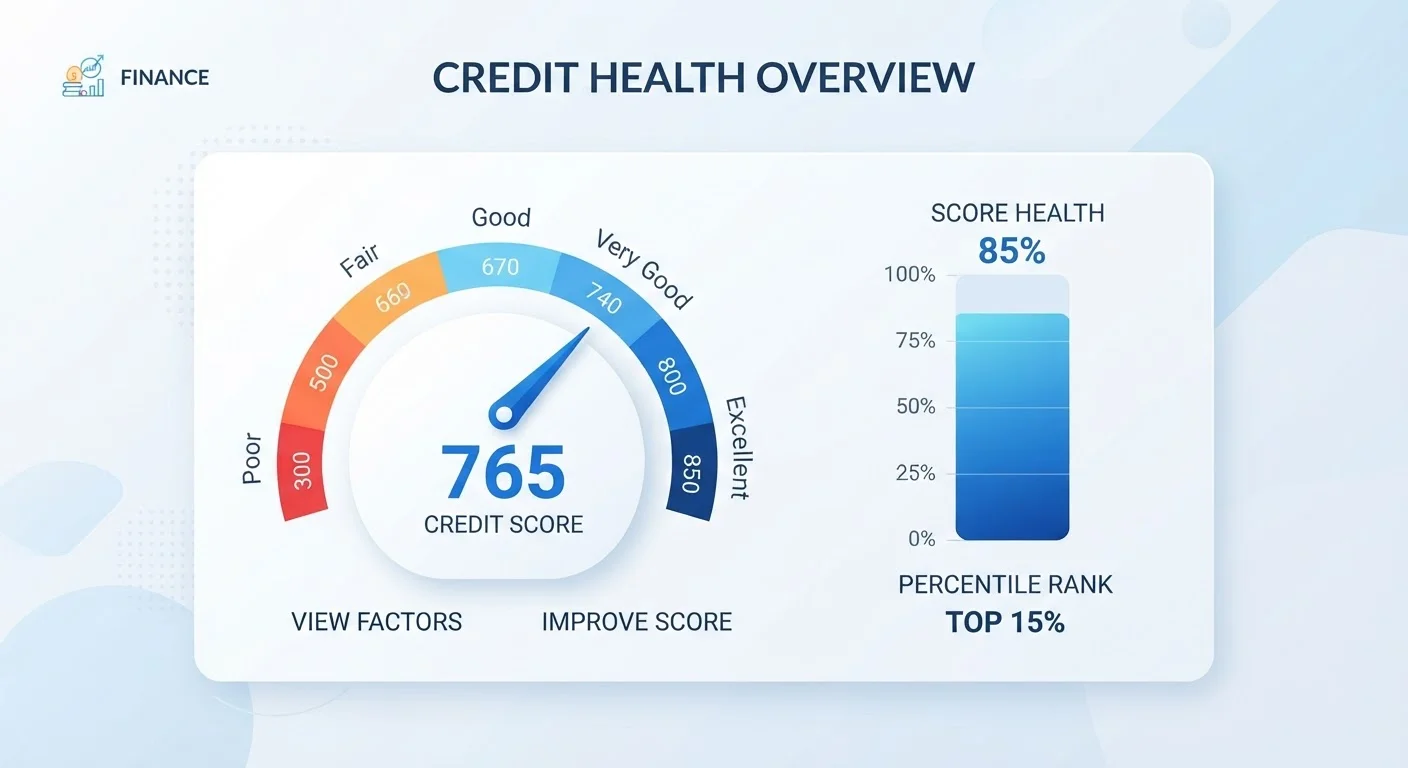
Photo: InsightsTurbo.com | Kickstart Your Knowledge Quest editorial
Key Takeaways
- Credit utilisation typically accounts for about 30% of your FICO score — making it one of the most influential factors.
- Keeping utilisation below 30% is a widely cited guideline; lower is generally better.
- High utilisation can drop your score quickly, but the damage is often reversible once balances come down.
- Closing unused cards can raise your utilisation by reducing total available credit — even if your balances stay the same.
- Your balance is usually reported to bureaus once a month, so paying before the statement closes can lower your reported utilisation.
Why Utilisation Carries So Much Weight
When people think about what shapes a credit score, payment history usually gets all the attention. And yes — paying on time matters enormously. But credit utilisation is right behind it, accounting for roughly 30% of a FICO score. That makes it the second-largest factor and one of the fastest to move in either direction.
The logic is straightforward from a lender's perspective: someone using a large portion of their available credit may be stretched thin financially. High utilisation signals potential risk; low utilisation suggests you're borrowing well within your means. Scoring models reward the latter.
What makes utilisation especially worth understanding is how quickly it can shift your score — in both directions. Unlike late payments, which can linger on your report for years, a spike in utilisation caused by a large purchase can drop your score temporarily and then recover as soon as the balance comes down. That's both a warning and a reassurance worth holding onto.
~30%
Share of FICO score tied to credit utilisation
According to FICO's published scoring factor breakdown, amounts owed — primarily driven by utilisation — is the second-largest factor in the FICO scoring model.
<10%
Utilisation rate seen in high-scoring consumers
Data from FICO indicates that consumers with scores above 800 typically carry very low utilisation rates, often in the single digits.
30%
Widely cited upper guideline for utilisation
Many credit educators and financial institutions point to 30% as a general threshold to stay below, though lower is consistently associated with better scores.
How the Math Actually Works
The formula is simple: total balances ÷ total credit limits × 100. If your combined credit card limits total $5,000 and your current balances add up to $1,500, your utilisation is 30%.
But there's a detail many beginners miss: scoring models assess utilisation per card as well as in aggregate. If you have three cards with generous limits but one card that's nearly maxed out, that individual card's high utilisation can drag down your score — even if your overall ratio looks healthy. This is why spreading balances across cards, or paying down the card closest to its limit first, can be a useful strategy.
Another key detail: your balance is typically reported to the bureaus at your statement closing date, not your payment due date. If you pay your balance in full but only after the statement closes, the bureau may have already recorded a high balance for that cycle. Paying before your statement closes is one way to ensure a lower number gets reported. For a deeper look at how this appears to lenders, see what lenders actually see when they pull your credit.
Common Mistakes That Raise Utilisation Without Warning
Several everyday decisions can quietly push utilisation up — often without people realising it.
- Closing an old card: Removing a card's limit from your total available credit raises your utilisation ratio on remaining balances immediately. If you're considering closing an account, factor in this effect first.
- Charging a large expense to one card: Even if you plan to pay it off, the balance may be reported before you do — temporarily spiking that card's individual utilisation.
- Letting a limit decrease go unnoticed: Card issuers can lower your credit limit, which raises your utilisation ratio on the same balance. It's worth checking your limits periodically.
Understanding these pitfalls connects directly to building smarter habits. The article on credit card habits worth building early covers how small, consistent behaviours help keep utilisation in check over time.
Pay Before Your Statement Closes
Strategies to Keep Utilisation Low
You don't need to stop using credit cards to maintain healthy utilisation. The goal is to stay well below your limits, not to avoid spending altogether.
A few approaches that tend to help:
- Pay more than once a month. Making a mid-cycle payment brings your balance down before your statement closes, which can lower the balance your issuer reports to the bureaus.
- Request a credit limit increase. If your income has grown and you have a solid payment history, a higher limit on existing cards lowers your utilisation on the same spending — though this works best when you don't respond by spending more.
- Keep old accounts open. An older card you rarely use still contributes its limit to your total available credit. Keeping it open (and occasionally using it for a small purchase) preserves that buffer.
If you've seen a recent dip in your score and aren't sure why, utilisation is often part of the story. Our guide to why your credit score dropped walks through the most common causes and how to address them. And if you're working on building a broader credit foundation, it's also worth checking for credit myths that might be holding you back.
This article is for general informational and educational purposes only and does not constitute personalised financial or credit advice. For guidance specific to your situation, consider speaking with a licensed financial professional.
Frequently Asked Questions
The content provided on our blog site traverses numerous categories, offering readers valuable and practical information. Readers can use the editorial team’s research and data to gain more insights into their topics of interest. However, they are requested not to treat the articles as conclusive. The website team cannot be held responsible for differences in data or inaccuracies found across other platforms. Please also note that the site might also miss out on various schemes and offers available that the readers may find more beneficial than the ones we cover.