
Hard Inquiries vs. Soft Inquiries: What the Difference Means for Your Score

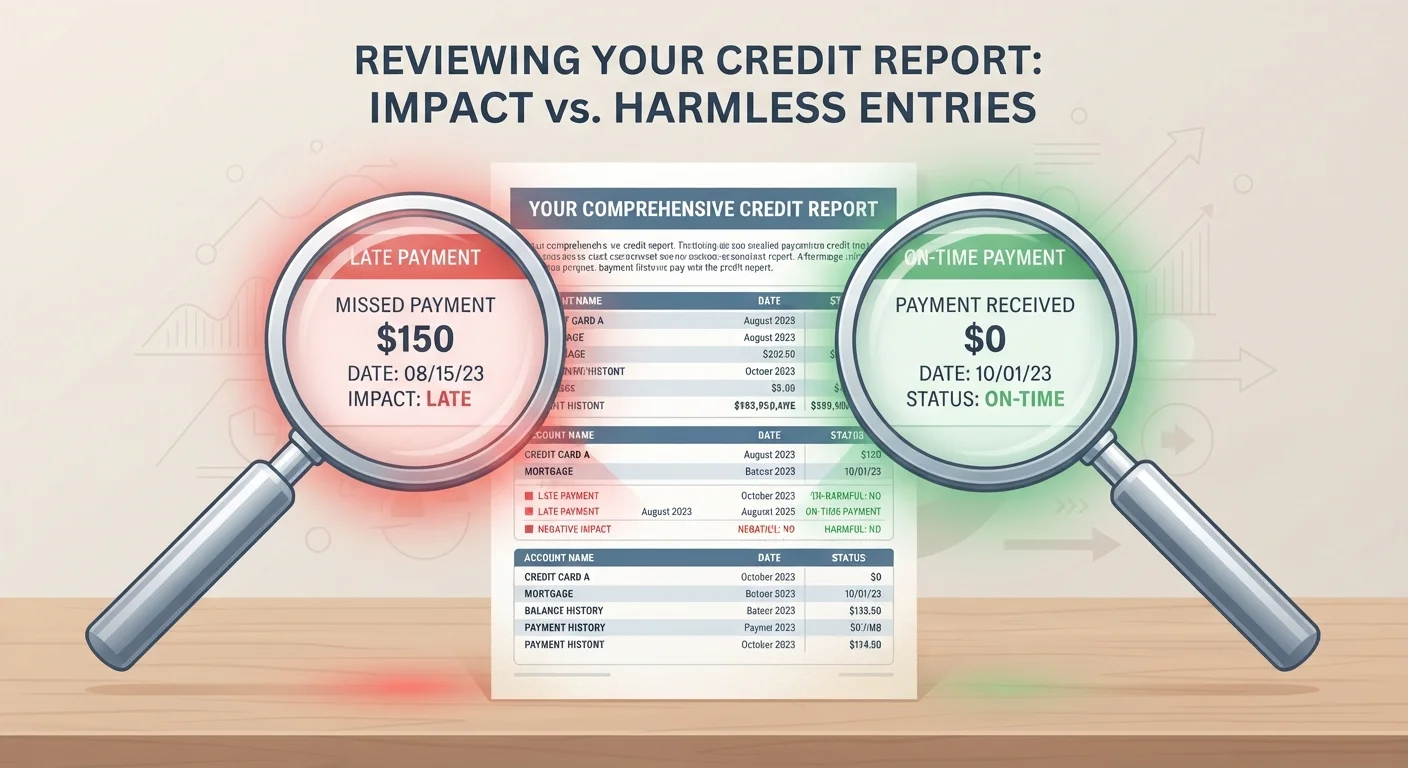
Photo: InsightsTurbo.com | Kickstart Your Knowledge Quest editorial
Key Takeaways
- Hard inquiries occur when you apply for credit and can temporarily lower your score by a few points.
- Soft inquiries — like checking your own score — never affect your credit score.
- Multiple hard inquiries for the same type of loan within a short window are often counted as one by scoring models.
- Hard inquiries stay on your report for up to two years but lose most of their impact within 12 months.
- Knowing which type of check will occur helps you apply for credit more strategically.
Why Credit Inquiries Exist in the First Place
Every time someone accesses your credit report, that access is logged as an inquiry. Lenders use these records partly to assess how aggressively you've been seeking new credit — applying to many lenders in a short time can signal financial stress. But not all inquiries are equal, and understanding which type is occurring in any situation is one of the most practical pieces of credit knowledge you can have.
To get the full picture of why inquiries matter within the broader scoring system, it helps to first understand how your credit score is calculated. Inquiries fall under the "new credit" category, which typically accounts for around 10% of a FICO score — meaningful, but far from the most influential factor.
Hard Inquiries: When Applying for Credit Leaves a Mark
A hard inquiry is generated when a lender or creditor reviews your credit report as part of a formal application decision. Common triggers include:
- Applying for a credit card
- Applying for a personal loan, auto loan, or mortgage
- Requesting a credit limit increase (with some issuers)
- Applying to rent an apartment (some landlords run hard checks)
Each hard inquiry can shave a small number of points off your score — typically fewer than five points for most people. That's minor in isolation, but multiple hard inquiries stacked in a short period can have a compounding effect, especially if your credit history is limited.
Time Your Applications Thoughtfully
The impact of a hard inquiry is temporary. Most scoring models weigh it less and less as months pass, and it stops affecting your score entirely after 12 months, though the record stays on your report for two years.
The Rate-Shopping Exception You Should Know
Here's an important nuance that surprises many first-time borrowers: scoring models are designed to recognize when you're shopping for the best rate on a single large loan, not recklessly applying everywhere. If you apply to multiple mortgage lenders, auto lenders, or student loan servicers within a short window — typically 14 to 45 days depending on the scoring model — those inquiries are grouped and counted as just one.
This means you shouldn't be afraid to compare rates on a car loan or home loan. Getting four lenders to compete for your business within two weeks is very different from opening four credit cards in a month. The former is smart financial behavior; scoring models are built to reflect that distinction.
Rate Shopping Window Varies by Scoring Model
Soft Inquiries: Checks That Leave No Trace on Your Score
Soft inquiries cover a wide range of credit checks that never affect your score, regardless of how often they occur. Examples include:
- Checking your own credit score or report
- Pre-qualification checks from lenders (before you formally apply)
- Background checks by employers
- Credit monitoring services reviewing your file
- Existing creditors reviewing your account for risk management
This distinction matters practically. When you use a tool to see whether you pre-qualify for a loan, you're generating a soft inquiry — your score is untouched. Only when you say "yes, apply" does the hard inquiry occur. That means you can explore your options freely before committing. To understand everything that appears on your credit file beyond just inquiries, see what lenders actually see when they pull your credit.
How to Be Strategic About Hard Inquiries
Since hard inquiries have a small but real impact, a little planning goes a long way:
- Batch your loan shopping. Apply to multiple lenders for the same loan type within a 30-day window to take advantage of inquiry grouping.
- Avoid unnecessary applications. Don't apply for new credit casually — every store card or credit card application triggers a hard inquiry.
- Check your report for unauthorized inquiries. If you see a hard inquiry you didn't authorize, you have the right to dispute it under the FCRA.
- Keep perspective. A single hard inquiry rarely changes a credit decision on its own. Lenders weigh payment history, credit utilization, and account age far more heavily.
Understanding your full credit report and credit score together gives you the clearest view of where inquiries fit into your overall financial picture.
This article is for general educational purposes and does not constitute personalized financial or credit advice. For guidance specific to your situation, consider consulting a licensed financial professional.
Frequently Asked Questions
The content provided on our blog site traverses numerous categories, offering readers valuable and practical information. Readers can use the editorial team’s research and data to gain more insights into their topics of interest. However, they are requested not to treat the articles as conclusive. The website team cannot be held responsible for differences in data or inaccuracies found across other platforms. Please also note that the site might also miss out on various schemes and offers available that the readers may find more beneficial than the ones we cover.